Continuo minha peregrinação musical jazzistica pelo Youtube, com outro gigante da música:
Miles Davis "Summertime" (1958)
"Summertime" is a track from the album "Porgy and Bess" by jazz trumpet musician Miles Davis, released in 1958 on Columbia Records. The album features arrangements by Davis and collaborator Gil Evans from George Gershwin's opera Porgy and Bess. The album was recorded in four sessions on July 22, July 29, August 4 and August 18 in 1958 at Columbia's 30th Street Studio in New York City. It is the second collaboration between Davis and Evans and has garnered much critical acclaim since its release, being acknowledged by music critics as the best of their collaborations. For many jazz critics, Porgy and Bess is regarded as historic.
In 1958, Davis was one of many jazz musicians growing dissatisfied with bebop, seeing its increasingly complex chord changes as hindering creativity. Five years earlier, in 1953, pianist George Russell published his Lydian Chromatic Concept of Tonal Organization, which offered an alternative to the practice of improvisation based on chords. Abandoning the traditional major and minor key relationships of Western music, Russell developed a new formulation using scales or a series of scales for improvisations. Russell's approach to improvisation came to be known as modal in jazz. Davis saw Russell's methods of composition as a means of getting away from the dense chord-laden compositions of his time, which Davis had labeled "thick". Modal composition, with its reliance on scales and modes, represented, as Davis put it,[3] "a return to melody". In a 1958 interview with Nat Hentoff of The Jazz Review, Davis remarked on the modal approach:
When Gil wrote the arrangement of "I Loves You, Porgy," he only wrote a scale for me. No chords... gives you a lot more freedom and space to hear things... there will be fewer chords but infinite possibilities as to what to do with them. Classical composers have been writing this way for years, but jazz musicians seldom have.
—Miles Davis
In early 1958, Miles Davis began using with this approach and his sextet. Influenced by Russell's ideas, Davis implemented his first modal composition with the title track of his 1958 album Milestones, which was based on two modes, recorded in April of that year. Instead of soloing in the straight, conventional, melodic way, Daviss new style of improvisation featured rapid mode and scale changes played against sparse chord changes. Davis' second collaboration with Gil Evans on Porgy and Bess gave him more room for experimentation with Russell's concept and with third stream playing, as Evans' compositions for Davis featured this modal approach.
Musicians
Miles Davis - trumpet, flugelhorn
Ernie Royal, Bernie Glow, Johnny Coles and Louis Mucci - trumpet
Dick Hixon, Frank Rehak, Jimmy Cleveland and Joe Bennett - trombone
Willie Ruff, Julius Watkins and Gunther Schuller - horn
Bill Barber - tuba
Phil Bodner, Jerome Richardson and Romeo Penque - flute, alto flute & clarinet
Cannonball Adderley - alto saxophone
Danny Bank - alto flute & bass clarinet
Paul Chambers - bass
Jimmy Cobb - drums (except tracks 3,4, 9, & 15)
Philly Joe Jones - drums (tracks 3,4, 9, & 15)
Gil Evans - arranger & conductor

Assinar:
Postar comentários (Atom)
Postagem em destaque
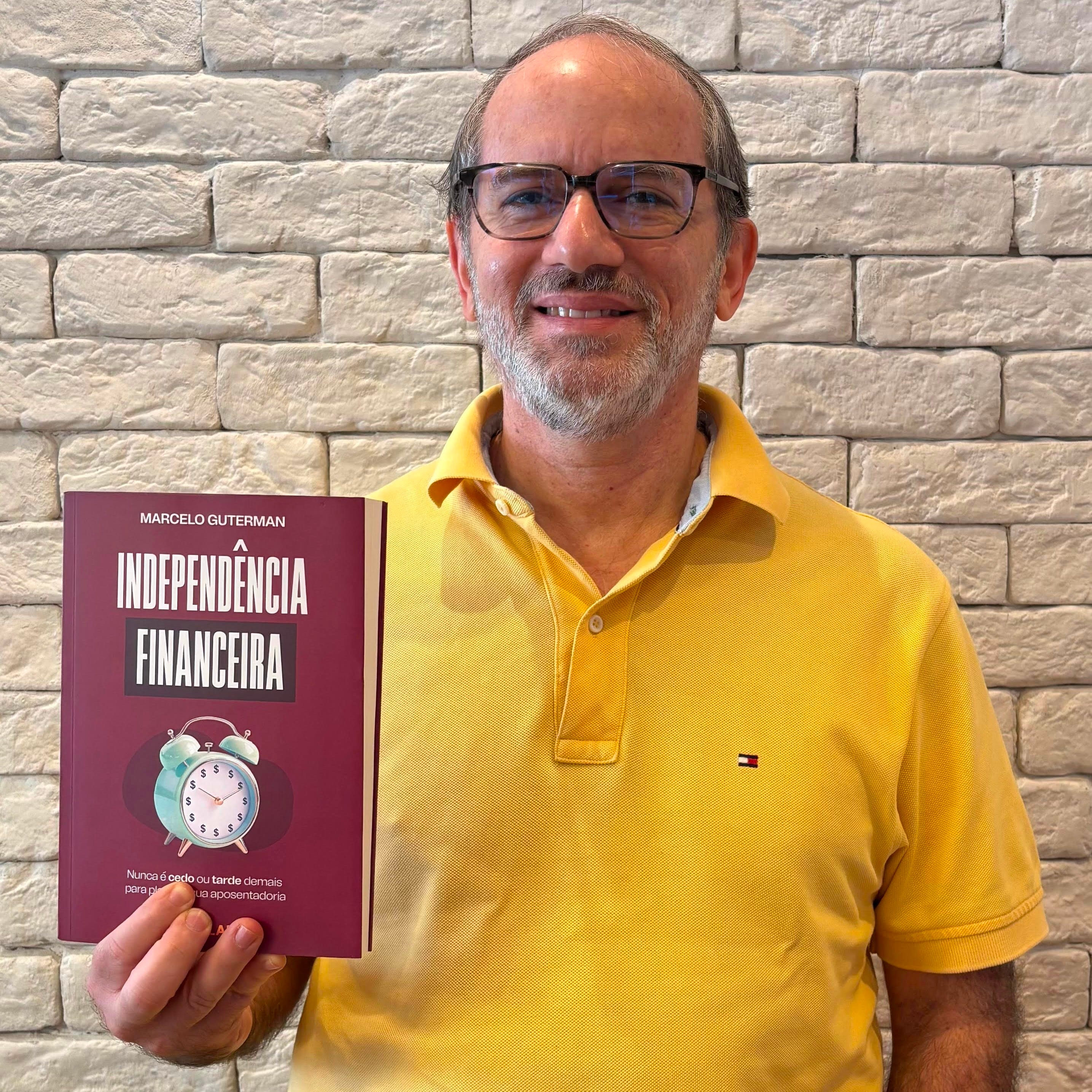
Fechar os Correios, a única solução - Marcelo Guterman
Fechar os Correios, a única solução MARCELO GUTERMAN AGO 30 LEIA NO APP E lá vamos nós outra vez. Os Correios publicaram o balanço do ...
-
Minha entrevista desta sexta-feira 25/02/2022, sobre a dramática situação da Ucrânia no canal +BrasilNews. 1437. “ Entrevista sobre a Ucrân...
-
FAQ do Candidato a Diplomata por Renato Domith Godinho TEMAS: Concurso do Instituto Rio Branco, Itamaraty, Carreira Diplomática, MRE, Diplom...
-
Carreira Diplomática: respondendo a um questionário Paulo Roberto de Almeida ( www.pralmeida.org ) Respostas a questões colocadas por gradua...
-
Um horror perpetrado por um Estado aliado da atual diplomacia lulopetista não é um horror: apenas casos a serem desprezados e ignorados. Cr...
-
Uma preparação de longo curso e uma vida nômade Paulo Roberto de Almeida A carreira diplomática tem atraído número crescente de jovens, em ...
-
Lula e Flavio Bolsonaro na TV Globo, quinta e sexta feira, 27 e 28/08/2026 === No primeiro debate eleitoral de 2026 entre os candidatos à ...
-
Nota preliminar ulterior (se isso não é contradição, não sei o que é): Coloquei aqui uma aparente matéria de -- digo aparente pois foi dessa...
-
Tá explicado! O texto é de 2009, e se refere a matéria ainda mais antiga, mas certas coisas moldam o caráter, não é mesmo? Paulo Roberto de ...
-
Aprimorar o parlamento O maior ganho sistêmico que o Brasil precisa INTELIGÊNCIA DEMOCRÁTICA AGO 15 LEIA NO APP Valdir Santos, Intelig...
-
 Autocracy Inc. de Anne Applebaum Inteligência Democrática , 4/08/2024 Reproduzimos abaixo, numa tradução automática do ChatGPT4, a intr...


Nenhum comentário:
Postar um comentário