Diplomatizzando

Temas de relações internacionais, de política externa e de diplomacia brasileira, com ênfase em políticas econômicas, viagens, livros e cultura em geral. Um quilombo de resistência intelectual em defesa da racionalidade, da inteligência e das liberdades democráticas. Ver também minha página: www.pralmeida.net (em construção).

O que é este blog?

Este blog trata basicamente de ideias, se possível inteligentes, para pessoas inteligentes. Ele também se ocupa de ideias aplicadas à política, em especial à política econômica. Ele constitui uma tentativa de manter um pensamento crítico e independente sobre livros, sobre questões culturais em geral, focando numa discussão bem informada sobre temas de relações internacionais e de política externa do Brasil. Meus livros podem ser vistos nas páginas da Amazon. Outras opiniões rápidas podem ser encontradas no Facebook ou no Threads. Grande parte de meus ensaios e artigos, inclusive livros inteiros, estão disponíveis em Academia.edu: https://unb.academia.edu/PauloRobertodeAlmeida

Site pessoal: www.pralmeida.net.
Mostrando postagens com marcador coronavirus. Mostrar todas as postagens

quarta-feira, 28 de outubro de 2020

A Europa e os EUA estão perdendo a batalha contra o coronavirus - Ishaan Tharoor (WP)


The Washington Post
Today's WorldView
 
 
Ishaan Tharoor By Ishaan Tharoor
with Ruby Mellen
 Email
October, 26, 2020

The U.S. and Europe are losing the coronavirus battle

A waiter closes the terrace of a bar in Madrid on Oct. 23. (Manu Fernandez/AP)

A waiter closes the terrace of a bar in Madrid on Oct. 23. (Manu Fernandez/AP)

President Trump’s White House chief of staff, Mark Meadows, made a telling admission. “We’re not going to control the pandemic,” Meadows said Sunday on CNN’s “State of the Union,” suggesting that the spread of the coronavirus was a fait accompli and that containment was not a central plank of the White House’s strategy. On Friday, the United States recorded a record single-day high of more than 83,000 new cases. The next day, it was just 39 cases short of the previous mark.

That’s in part a reflection of a far more expanded testing regime in place than when America first reeled under the spread of the virus in March and April. But it is also evidence of an autumnal surge in the virus that’s buffeting both sides of the Atlantic.

Hospitalizations and deaths are on the rise. In Europe, countries posted new milestones in caseloads over the weekend amid new rounds of curfews and lockdowns. A number of countries on the continent now lead the world in rates of infection. French President Emmanuel Macron, whose nation is among the worst afflicted, said Friday that his compatriots should be prepared to live with the virus “at best until next summer.”


Meadows insisted that U.S. authorities were “going to control the fact that we get vaccines, therapeutics and other mitigation.” But until such methods of mitigation are available and widely implemented, experts advocate the sort of mask-wearing mandates and strict contact tracing and testing systems that President Trump has shied away from encouraging. Trump’s critics have slammed the administration for failing to impose a genuine plan to curtail infections. A fresh outbreak of the virus among White House staffers, including Vice President Pence’s chief of staff, Marc Short, seemed to underscore the administration’s helplessness and negligence in the face of the pandemic.

“They surrendered without firing a shot,” New York Gov. Andrew M. Cuomo (D) said on a call Sunday with reporters. “It was the great American surrender.”


European leaders are bracing for disaster, too. After a summer of reopenings and revived travel and tourism, a second wave is ravaging countries that both evaded and suffered from the first. France reported a daily record in cases on Sunday. Cases in Poland doubled in less than three weeks (and the country’s president now has the virus). In the Czech Republic, more than 250,000 people in a country of 10.7 million are infected.

Spain declared a state of emergency on Sunday, as it became the first European nation to cross more than 1 million recorded coronavirus cases, though officials suspect the real figure could be three times as high because of testing gaps. A nighttime curfew is now in place between 11 p.m. and 6 a.m. in all of Spain’s regions, with the exception of the Canary Islands. “We are living in an extreme situation. … It is the most serious in the last half-century,” said Spanish Prime Minister Pedro Sánchez, urging Spaniards to stay home.


In Belgium, the country’s hospital systems and testing infrastructure are already overloaded, with authorities fearful of shortages of key essential workers, from medical staff to police officers in the streets. “The situation is catastrophic,” Philippe Devos, an intensive care doctor at the CHC Montlégia Hospital in Liège, the worst-hit Belgian city, told my colleagues. “Liège is now probably the most affected region in the world. We have a lot of doctors and nurses affected. But, starting this week, positive cases were asked to go back to work if they are asymptomatic.”

Across the continent, leading officials sounded the same notes of alarm heard half a year ago, when politicians spoke somberly of the collective sacrifice and vigilance required of their publics. “These are difficult days,” Italian Health Minister Roberto Speranza said Sunday, as Italy imposed its harshest restrictions since spring. “The curve of contagion is growing in the world. And in all Europe, the wave is very high. We must react immediately and with determination if we want to avoid unsustainable numbers.”


That’s a harder pitch the second time around. Governments in Europe, many of which represent countries now deep in recession, were wary of further shutdowns that would hurt industry and add to the unemployment rolls. But such binding measures now seem a necessity, while talks over possible safe trade and travel “corridors” between certain major cities and regions seem premature.

“The sweeping national rules in several countries suggest a growing belief that initial efforts by European leaders to avoid reimposing economically punishing lockdowns in favor of regional restrictions focusing on virus hot spots might not be enough,” wrote my colleague Ruby Mellen.

Experts point to successful mitigation efforts in Asia, where countries such as South Korea and Vietnam have far more effectively warded off a second wave than counterparts in the West.

“Waiting for the virus to magically disappear, allowing it to run its course through society, or imposing continual lockdown measures without a clear strategy beyond waiting for a vaccine are all suboptimal choices that will damage our health, our economy and our society,” wrote Devi Sridhar, chair of global public health at the University of Edinburgh. “At what stage will Britain look towards east Asia and the Pacific and say, ‘We want what they have’?”

There are probably plenty of officials and public health experts in the United States bemoaning the exact same thing.

Posted by Paulo Roberto de Almeida at 02:36 Nenhum comentário:
Enviar por e-mailPostar no blog!Compartilhar no XCompartilhar no FacebookCompartilhar com o Pinterest
Labels: coronavirus, COVID-19, EUA, Europa, Ishaan Tharoor, pandemia, The Washington Post

sábado, 27 de junho de 2020

O Coronavirus e a segurança dos alimentos - Marcos Jank (OESP)

 O Coronavirus e a segurança dos alimentos

Jornal “O Estado de S. Paulo”, Opinião, 26/06/2020.

Marcos S. Jank*
    
Antigo conceito de ‘saúde única’ pode ser o caminho para a alimentação no pós-covid.

Causou grande apreensão no mundo alimentar a decisão do governo chinês, na semana passada, de suspender importações de carnes vindas de frigoríficos dos EUA (Tyson), Alemanha (Tönnies) e Noruega (Royal Salmon), alegando o risco de contaminação do produto pela covid-19.

Autoridades sanitárias de vários países informam que não há evidências científicas e de rastreabilidade que possam comprovar a transmissão do novo coronavírus pelo manuseio ou pela ingestão de alimentos. Mesmo se estiver presente na superfície dos alimentos ou nas embalagens, o vírus tem baixa capacidade de sobrevivência e será facilmente eliminado com a lavagem adequada e o cozimento dos produtos. O maior risco seria a transmissão interpessoal no momento da manipulação de alimentos – por exemplo, na sala de cortes do frigorífico ou nos pontos de venda. 

O ponto focal do novo surto chinês é novamente um mercado de alimentos frescos. O primeiro surto, reconhecido oficialmente, aconteceu em dezembro num mercado tradicional (wet market) da cidade de Wuhan. O novo surto surge agora no mercado de produtores de Xinfandi, em Pequim. Tudo indica que o vírus estava presente no ambiente desse mercado, mas não no interior dos alimentos. 

Autoridades chinesas disseram ter obtido 40 testes positivos de covid-19 para uma variante viral que passou por mutação na Europa, encontrada no ambiente. O vírus foi detectado nas tábuas de madeira utilizadas para filetar salmão importado da Noruega, mas não no filé do pescado. Sabe-se que peixes e animais domésticos como aves, suínos e bovinos não transmitem o vírus.

Apesar disso, o governo chinês decidiu retomar as restrições à circulação de pessoas na capital e intensificou os controles de fronteira nas importações de alimentos. Supermercados retiraram o salmão de suas prateleiras e os frigoríficos estrangeiros citados foram suspensos.

Tais decisões precipitadas viraram um prato cheio para redes sociais sensacionalistas que se alimentam de teorias conspiratórias. Imediatamente elas passaram a sugerir que a contaminação teria vindo do exterior, desviando a culpa em relação a uma segunda onda de origem doméstica. Num mundo cada vez mais dominado pelo medo, pela xenofobia e pelas fake news, não creio que essa novela vá terminar apenas no salmão norueguês.

Saúde humana, sanidade animal e risco de zoonoses serão temas de atenção permanente nos próximos anos. A expressão “segurança do alimento” (food safety, em inglês) fará parte do “novo normal” que virá após a pandemia. A humanidade descobriu a sua inimaginável fragilidade em tempos de globalização, tornando-se refém da falta de respiradores, testes e vacinas, o que vai criar a necessidade de reorganizar a saúde pública global.

Até a chegada desse vírus, os principais vetores de crescimento do setor agroalimentar eram produtividade e sustentabilidade. Basicamente produzir grandes volumes de commodities a preços competitivos, de forma sustentável. Lembrando que sustentabilidade compreende o difícil equilíbrio entre eficiência econômica, preservação ambiental e equidade social, um tema pelo qual o Brasil tem sido muito cobrado.

Acontece que o mundo pós-pandemia será dominado pela combinação de três "S" - Saúde, Sanidade e Sustentabilidade - que nada mais é que a repaginação de um antigo conceito chamado “saúde única”, popular no universo da ecologia e da veterinária.

A primeira tentativa sistemática reconhecida de estabelecer uma relação causal entre humanos, animais e meio ambiente foi feita pelo médico grego Hipócrates, ao redor de 400 a.C., em seu livro "Ares, Águas e Lugares". No final do século 19, ao estudar a relação entre doenças humanas e animais, o patologista alemão Rudolf Virchow criou o termo “zoonose”, afirmando que “entre as medicinas animal e a humana não há linhas divisórias – nem deveria haver”.

A expressão “saúde única” surgiu em 2004, propondo uma abordagem holística e transdisciplinar para lidar com a saúde da humanidade, dos animais e dos ecossistemas. O conceito amplo de saúde única abrange temas como risco de doenças zoonóticas, resistência antimicrobiana, sanidade, segurança do alimento, desmatamento, contaminação ambiental e outras ameaças à saúde, compartilhadas por pessoas, animais e meio ambiente.

No caso específico da sanidade animal, creio que o grande objetivo deveria ser reduzir a imensa heterogeneidade das cadeias alimentares no mundo, por meio da convergência regulatória dos sistemas de defesa sanitária – a refrigeração das cadeias de produtos perecíveis, o controle sanitário efetivo dos mercados tradicionais, o fim do comércio ilegal de animais silvestres, a criação confinada de animais domésticos e a melhoria dos sistemas verticais de integração entre agricultores e indústrias de insumos e processadoras.

O Brasil lidera as exportações mundiais de carne bovina e de aves e ocupa o quarto lugar em carne suína. É hora de assumir e comandar esse debate, evitando atitudes arbitrárias e não científicas, derrubando fake news e propondo uma estrutura sólida da saúde única para o mundo pós-covid.

(*) Marcos Sawaya Jank é professor de agronegócio global do Insper.

ESTUDOS
Impactos da Covid-19 no Agronegócio e o Papel do BrasilParte 1 | Cadeias Produtivas e Segurança Alimentar
Parte 2 | Saúde Única, Zoonoses e Segurança do Alimento, que traz uma análise completa do tema do artigo de hoje.

BOLETINS: passamos a divulgar mensalmente o “Boletim Especial Covid-19” com informações e análises sobre o impacto da pandemia de Covid-19 no agronegócio mundial.
Boletim N.º 1 | Junho de 2020

LIVRO
China-Brazil Partnership on Agriculture and Food Security, lançado em junho de 2020 pela Esalq-USP e pela China Agricultural University (CAU), com parceria institucional do centro.


Posted by Paulo Roberto de Almeida at 22:40 Nenhum comentário:
Enviar por e-mailPostar no blog!Compartilhar no XCompartilhar no FacebookCompartilhar com o Pinterest
Labels: coronavirus, Marcos S. Jank, segurança alimentar

sábado, 2 de maio de 2020

The Coronavirus Is the Worst Intelligence Failure in U.S. History - Mark Stout (H-Diplo)

H-Diplo Essay 224- A Response to Micah Zenko. “The Coronavirus Is the Worst Intelligence Failure in U.S. History.”

by George Fujii
H-Diplo Essay 224
1 May 2020
A Response to Micah Zenko.  “The Coronavirus Is the Worst Intelligence Failure in U.S. History.”  Foreign Policy (25 March 2020).
https://hdiplo.org/to/E224
Review Editor: Diane Labrosse | Production Editor: George Fujii
Essay by Mark Stout, Johns Hopkins University

On March 25, Foreign Policy published an article by Micah Zenko entitled “The Coronavirus Is the Worst Intelligence Failure in U.S. History.”  While the main text of Zenko’s argument is well-considered, it is now clear that he somewhat overstated the case and he was not well served by the title of the piece.  Nevertheless, the article gives us a useful opportunity to consider the problem of intelligence warning in the era of President Donald Trump and the potential implications of the coronavirus pandemic for U.S. intelligence.
According to Zenko, “the Trump administration has…failed, both in taking seriously the specific, repeated intelligence community warnings about a coronavirus outbreak and in vigorously pursuing the nationwide response initiatives commensurate with the predicted threat.”  The result, he writes, is that “the Trump administration forced a catastrophic strategic surprise onto the American people.” 
The explanation for this failure, Zenko argues, consists of three points.  Taken together, they paint a stark picture.  First, Trump anchors very firmly on beliefs.  In this connection, Zenko notes that “leaders are unusually hubristic and overconfident; for many, the fact that they have risen to elevated levels of power is evidence of their inherent wisdom.” Second, Trump’s judgments are “highly transmissible,” capable of “infecting the thinking and behavior of nearly every official or advisor who comes in contact with the initial carrier.”  Third, “the poor judgments…contaminate all the policymaking arms of the federal government with almost no resistance or even reasonable questioning.”  In fact, Zenko observes, “even historically nonpartisan national security or intelligence leadership positions have been filled by people who are ideologically aligned with the White House, rather than endowed with the experience or expertise needed to push back” when the President has ill-conceived ideas.  He concludes, “Thus, an initial incorrect assumption or statement by Trump cascades into day-to-day policy implementation.” 
This is a sensible article burdened with an unfortunate title which the author may not have written.  The subtitle gives a much better summary of the contents: “It’s more glaring than Pearl Harbor and 9/11—and it’s all the fault of Donald Trump’s leadership.”  So, what does the article tell us about warning and intelligence-policy relations generally and in the Trump administration? This essay considers the three steps in Zenko’s chain and then offers some thoughts about the situation through the lens of subsequent developments and intelligence studies.
First, while President Trump seems to anchor particularly strongly on his beliefs, this is a difference of degree, not kind, with his predecessors.  Indeed, intelligence officers often believe that senior leaders are irrationally confident and convinced of their own correctness.  As Robert Jervis has observed, this is not necessarily dysfunctional: “A national leader who had no more confidence than an objective reading of the evidence would permit probably would do little or would be worn down by mental anguish after each decision.”[1]
Second, Zenko’s claim that Trump’s judgments are “highly transmissible,” capable of “infecting the thinking and behavior of nearly every official or advisor who comes in contact with the initial carrier,” seems appealing on its face.  William Kristol seems to agree and he extends Zenko’s claim to the Republican Party broadly.[2]   However, Zenko’s words “nearly every” are meaningful; there are clearly counterexamples to the broad claim.  As of this writing, the most famous is Dr. Anthony Fauci, director of the National Institute of Allergy and Infectious Diseases, who has been quite willing to disagree publicly with the President.  More recently, the Surgeon General suggested—albeit rather gingerly—that Americans should not take disinfectants internally, despite President Trump’s suggestion to that effect.[3]  We know little about the beliefs of the intelligence community’s leadership with regard to Covid-19.  However, it seems unlikely that all the IC officials who were exposed to the President during the relevant period were “infected” with his nonchalance about the virus.  While the Acting Director of National Intelligence (DNI) Richard Grenell, who took up that post on February 20, was probably chosen in large part because of his personal loyalty to the president, his two predecessors, DNI Dan Coats and Acting DNI Joseph Maguire, both publicly said things that the President disapproved of.  Furthermore, briefers of the President’s Daily Brief are expected to be willing to speak truth to power, an attribute which is foundational in the intelligence community and there is no evidence that the Trump’s briefers have been any different in this regard.
Third, Zenko’s argument that “the poor judgments…contaminate all the policymaking arms of the federal government with almost no resistance or even reasonable questioning” is probably too strong.  In recent days, stories have hit the press portraying the National Security Council staff and Peter Navarro, President Trump’s trade adviser, as being fully on top of the situation and unsuccessfully urging action on those above them.[4]  And where did these officials get their information about the looming danger?  In large part from the intelligence community where largely anonymous collectors and analysts are still free to do their work as normal.
Clearly the United States was surprised by the Covid-19 pandemic.  The US government was insufficiently prepared for such a contingency, President Trump and at least some of his senior subordinates waited until mid-March to really take the problem seriously, and the administration’s responses have been faltering even after they started doing so.  The result is that the epidemic is ravaging the United States much worse than it might otherwise have done. This surprise happened despite the fact that the National Center for Medical Intelligence was reportedly aware of the issue as early as November 2019 and early intelligence analyses of it were written in December.[5] The Office of the Director of National Intelligence reportedly had an article on the coronavirus in the President’s Daily Brief on January 3, 2020, numerous intelligence products followed, and, probably more importantly, the medical community was also sounding the alarm.[6]
The intelligence literature is of some help to us in understanding the situation.  Some of the literature on surprise talks about the important role of cognitive biases held by analysts or leaders in a surprised country.[7]  Zenko discusses one such bias—the President’s anchoring—and others were doubtless at play.  Beyond that, however, the literature on surprise largely deals with nation-states or sometimes non-state actors trying to surprise a target state—usually with a military attack—by concealing the truth and creating alternative explanations for what the target can perceive. To some degree, this fits the current situation.  China did endeavor to conceal the fact of and then the extent of the Covid-19 and subsequently has disseminated disinformation about its source.[8] However, it seems unlikely that China was intending, per se, for the United States to be surprised and to suffer a devastating pandemic. Rather, the Chinese bureaucracy was probably protecting itself from the country’s senior leadership by concealing the magnitude of the initial problem and the senior leadership was trying to protect the image of the country through measures both defensive (denial) and offensive (disinformation). 
The fact remains, though, that the United States was not really surprised by China; it was surprised by a mindless virus.  Even if China had been forthcoming, the United States Government would have been surprised because responding to pandemics—let alone getting ahead of them—requires top-level leadership but such matters were not of particular interest to the Trump administration until it was too late. Ben Rhodes notes that this is not only the fault of the Trump administration, referring to a “multi-decade assault on the role of government in American life [that] led to a Trump administration that disregards expertise and disdains career civil servants.”[9]
In such a circumstance, Richard Betts’s ideas about “enemies of intelligence”—those things which cause intelligence to fail—seem more applicable to understanding the Covid-19 situation.  Betts identifies three categories of such enemies.  One he calls “inherent enemies.”  These are a grab-bag of problems including the limits on human cognition and a great many dilemmas that are built into the business of intelligence such as tradeoffs between accuracy and timeliness, and between “the needs to keep secrets from outside enemies” while sharing “information widely to integrate our own knowledge.”[10]  These do not seem especially applicable to the situation at hand.
However, Betts’s other two categories of “enemies of intelligence” seem potentially relevant.  One of these he calls “outside enemies.”  These are adversaries who “want to conceal or misrepresent their intention, capabilities, or vulnerabilities.”[11]  Here Betts essentially incorporates surprise attack theory, deception theory, and others by reference.  Clearly, China’s efforts to conceal and dissemble about the Covid-19 situation fit here. 
The final category consists of what Betts calls “innocent enemies” because “they threaten intelligence unintentionally.”  These include “professionals alleged to have fallen down on the job,” dysfunctions and inefficiencies resulting from bureaucrats protecting their turf, and “the politicians…who deliberately try to constrain intelligence operations that conflict with other values.” [12]  Again there is some apparent congruence with the facts of the present case.  The emerging reporting indicates that the Administration clearly made some bad decisions and, as Zenko maintains, was more interested in pursuing the President’s overall agenda (which did not encompass the possibility of a pandemic) and validating the President’s belief that Covid-19 was no worse than the flu and would miraculously disappear.  The other priorities were probably the imperative of supporting the President’s position and a desire not to harm the economy. The pursuit of these priorities, then, hindered the intelligence community’s ability to carry out its warning function.  All of this happened, of course, within an environment of disdain for expert opinion at senior levels of the government.
In American intelligence theology, warning has occurred when the policymakers to be warned understand the warning.  They need not be convinced.  Zenko repeats the possibly apocryphal story about Secretary of State and National Security Adviser Henry Kissinger telling an intelligence officer after something bad happened, “you warned me, but you didn’t convince me.”  From an intelligence officer’s perspective, this is an absolution. Policymakers, of course, can be forgiven for seeing the matter differently. Both have reasonable claims but at some point, the intelligence officers must be let off the hook. A leader who is impervious to logic or reason, who is unable to strategize, or who believes that other things are more important than what he or she has been warned about must, ultimately, take responsibility for that fact. And, in any event, taxpayers pay leaders to lead and to make hard decisions in the face of incomplete information and conflicting priorities. If intelligence personnel were to be responsible for making those hard decisions…well, they would be the president.
At the moment, we know only the barest outlines of what the intelligence community concluded, what it told the policy community, to whom those warnings were given, and how.  Also, much remains to be learned about how the policy deliberations unfolded inside the Administration.  Sooner or later, however, the pandemic will have sufficiently abated that the time will come to gather data, derive lessons learned and probably take remedial or even punitive action.  The Chairman of the House Permanent Select Committee on Intelligence (HPSCI), Representative Adam Schiff, already has his staff considering the possibility of a 9/11 Commission-style investigation into what happened and the HPSCI is reviewing the intelligence record on the pandemic.[13]  Such a commission would have to grapple with the fact that U.S. intelligence is only imperfectly organized and situated to deal with natural events which can only partially be influenced by human agency.  Nevertheless, Calder Walton suggests that one useful step might be to revive a version of the late Cold War’s Active Measure’s Working Group to counter the efforts of actors such as China.  He also predicts that “pandemic intelligence will become a central part of future U.S. national security.”[14]  He may be right but one wonders about the implications for privacy and civil liberties.
Rhodes goes farther, predicting that the greatest future threats to the United States will not be terrorism but “climate change, pandemics, the risks posed by emerging technologies, and the spread of a blend of nationalist authoritarianism and Chinese-style totalitarianism that could transform the way human beings live in every country.”  He argues that meeting these challenges will require “Americans…to rethink the current orientation of our own government and society, and move past our post-9/11 mindset” with a concomitant reorganization of the country’s spending priorities.[15]
9/11 occasioned the most sweeping reforms to the United States intelligence community and substantial changes to other parts of the national security apparatus, many of them inspired by the work of the 9/11 Commission.  The stage seems set for another reorientation.  We can only hope that the reforms that will follow on the present surprise will be well-considered.  However, we can predict that like the tangible results of the 9/11 Commission, they will be controversial for years to come.

Mark Stout is a senior lecturer with Johns Hopkins University’s Krieger School of Arts and Sciences Advanced Academic Programs for which he heads the M.A. in Global Security Studies program.  He is also a former intelligence officer.

Notes
[1] Robert Jervis, Why Intelligence Fails: Lessons from the Iranian Revolution and the Iraq War (Ithaca: Cornell University Press, 2010), 166.
[2] William Kristol, “Trump Has Broken the Republican Party—and Conservatism—for Good,” The Bulwark, April 2, 2020, https://thebulwark.com/trump-has-broken-the-republican-party-and-conservatism-for-good/.
[3] Deb Riechmann and Aamer Madhani, “Don’t Inject Disinfectant: Blunt Pushback on Trump Musing,” NBC New York, April 24, 2020, https://www.nbcnewyork.com/news/local/lysol-maker-please-dont-ingest-or-inject-our-product-to-treat-coronavirus/2388212/
[4] Maggie Haberman, “Trade Adviser Warned White House in January of Risks of a Pandemic,” New York Times, April 6, 2020, https://www.nytimes.com/2020/04/06/us/politics/navarro-warning-trump-coronavirus.html?referringSource=articleShare. Josh Rogin, “The National Security Council Sounded Early Alarms about the Coronavirus,” Washington Post, March 30, 2020, https://www.washingtonpost.com/opinions/2020/03/30/national-security-council-sounded-early-alarms-about-coronavirus/. Daniel Lippman and Meredith McGraw, “Inside the National Security Council, a Rising Sense of Dread,” Politico, April 2, 2020, https://www.politico.com/news/2020/04/02/nsc-coronavirus-white-house-162530.
[5] Ken Dilanian, Robert Windrem and Courtney Kube “U.S. spy agencies collected raw intelligence hinting at public health crisis in Wuhan, China, in November,” NBC News, April 9, 2020, https://www.nbcnews.com/politics/national-security/u-s-spy-agencies-collected-raw-intel-hinting-public-health-n1180646.
[6] Yasmeen Abutaleb, Josh Dawsey, Ellen Nakashima and Greg Miller, “The U.S. Was Beset by Denial and Dysfunction as the Coronavirus Raged,” Washington Post, April 4, 2020,  https://www.washingtonpost.com/national-security/2020/04/04/coronavirus-government-dysfunction/?arc404=true. Julian E. Barnes, “C.I.A. Hunts for Authentic Virus Totals in China, Dismissing Government Tallies,” The New York Times, updated to April 7, 2020,  https://www.nytimes.com/2020/04/02/us/politics/cia-coronavirus-china.html.  Greg Miller and Ellen Nakashima, “President’s Intelligence Briefing Book Repeatedly Cited Virus Threat,” Washington Post, April 27, 2020, https://www.washingtonpost.com/national-security/presidents-intelligence-briefing-book-repeatedly-cited-virus-threat/2020/04/27/ca66949a-8885-11ea-ac8a-fe9b8088e101_story.html.
[7] The literature on surprise is extensive but following items are excellent beginnings.  James Wirtz, Understanding Intelligence Failure: Warning, Response, and Deterrence (New York: Routledge, 2017), “Introduction,” 1-23. Uri Bar-Joseph, The Watchman Fell Asleep: The Surprise of Yom Kippur and Its Sources(Albany: State University of New York Press, 2005). Erik J. Dahl, Intelligence and Surprise Attack: Failure and Success from Pearl Harbor to 9/11 and Beyond (Washington: Georgetown University Press, 2013).  Robert M. Clark and William Mitchell, Deception: Counterdeception and Counterintelligence (Thousand Oaks: CQ Press, 2019) is also helpful.
[8] Barnes, “C.I.A. Hunts.”
[9] Ben Rhodes, “The 9/11 Era is Over,” The Atlantic, 6 April 2020, https://www.theatlantic.com/ideas/archive/2020/04/its-not-september-12-anymore/609502/.
[10] Richard K. Betts, Enemies of Intelligence: Knowledge and Power in American National Security (New York: Columbia University Press, 2007), 12-13.
[11] Betts, Enemies of Intelligence, 9.
[12] Betts, Enemies of Intelligence, 9.
[13] David Ignatius, “The U.S. Needs to Know What Went Wrong,” Washington Post, 31 March 2020, https://www.washingtonpost.com/opinions/after-the-pandemic-subsides-the-us-must-learn-from-its-mistakes/2020/03/31/99a37368-7387-11ea-87da-77a8136c1a6d_story.html.
[14] Calder Walton, “Spies Are Fighting a Shadow War Against the Coronavirus,” Foreign Policy, 3 April 2020,  https://foreignpolicy.com/2020/04/03/coronavirus-pandemic-intelligence-china-russia/.
[15] Rhodes, “The 9/11 Era is Over.”
Posted by Paulo Roberto de Almeida at 03:11 Nenhum comentário:
Enviar por e-mailPostar no blog!Compartilhar no XCompartilhar no FacebookCompartilhar com o Pinterest
Labels: coronavirus, H-Diplo, intelligence, Mark Stout, Mica Zenko

quinta-feira, 23 de abril de 2020

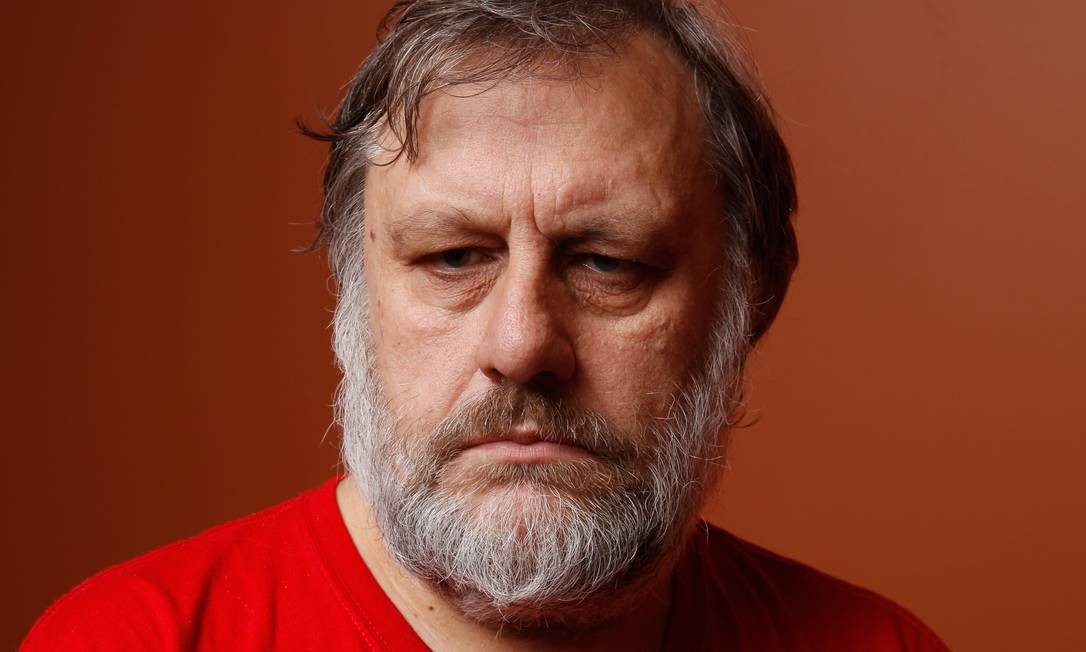
Zizek-Araujo: debate entre dois malucos

Um é um maluco da extrema-direita, o outro é um doido varrido da esquerda. Entre dois loucos, melhor não se meter...
Paulo Roberto de Almeida


O chanceler brasileiro não entendeu a questão', responde Zizek após Araújo falar em 'comunavírus'

Filósofo foi citado por ministro das Relações Exteriores, que disse que pandemia é 'o primeiro passo em direção ao comunismo' no mundo
Bolívar Torres
O Globo, 22/04/2020


Slavoj Zizek é considerado um dos neomarxistas mais proeminentes da atualidade Foto: Matt Carr


O filósofo esloveno Slavoj Zizek afirmou que o chanceler Ernesto Araújo "não entendeu a questão" quando disse que ele estaria tentando promover o comunismo às custas da pandemina do novo coronavírus.
Zizek respondeu à interpretação que Araújo fez do seu novo livro, publicado no Brasil pela editora Boitempo com o título “Pandemia – Covid-19 e a reinvenção do comunismo”, no qual o filósofo aponta que o coronavírus demonstrou a insustentabilidade do atual modelo econômico, exigindo um pensamento além do mercado financeiro e do lucro.
Em texto publicado em seu blog pessoal , Aráujo disse que Zizek deixa claro no livro que o "globalismo substitui o socialismo como estágio preparatório ao comunismo” .
"O chanceler brasileiro me acusou de usar a epidemia do coronavírus como uma desculpa para introduzir outro vírus, o 'comunavírus'. Infelizmente, ele não entendeu a questão", disse Zizek em resposta a um pedido de comentário feito pelo GLOBO.
“Não quero impor nada, apenas observo que até governos conservadores estão lidando com a crise sanitária e econômica provocada pela epidemia. Estão introduzindo medidas que, seis meses atrás, seriam inimagináveis e vistas como um sonho comunista”, escreveu o filósofo na mensagem.
Segundo Zizek, esses governos conservadores “estão sendo compelidos a agirem como comunistas, dando preferência ao bem comum em vez de mecanismos de mercado”. Com isso, adotam medidas como distribuir “gratuitamente bilhões para que os novos desempregados sobrevivam” e ordenar que a indústria produza equipamentos de saúde, além de admitirem que “precisamos não apenas de um serviço universal de saúde como também de um serviço global de saúde”.
No texto em seu blog, Araújo denuncia um suposto “plano comunista” que pretenderia tirar proveito da pandemia da Covid-19 para implementar sua ideologia por meio de organismos internacionais, como a Organização Mundial da Saúde. A coordenação global realizada pela OMS para fazer frente à crise, segundo Araújo, seria “o primeiro passo em direção ao comunismo” de um “projeto globalista”.

Intitulado “Chegou o comunavírus”, o texto do chanceler diz que o medo causado pela nova doença “nos faz despertar novamente para o pesadelo comunista” – projeto que, segundo ele, já vinha sendo executado “no climatismo ou alarmismo climático”, no “imigracionismo”, no "cientificismo" e no “antinacionalismo”. Para Araújo, isso faz com que o “comunavírus” seja mais perigoso que a Covid-19.
O presidente Jair Bolsonaro e parte de seus aliados têm atacado o chamado “globalismo”, termo usado por setores da direita para se referir a instituições multilaterais. Nesta semana, o Brasil foi um dos apenas 14 dos 193 países da ONU a não copatrocinarem uma resolução sobre a cooperação contra a pandemia.
Confira na íntegra a resposta de Zizek a Ernesto Araújo:
"O cancheler brasileiro me acusou de usar a epidemia do coronavírus como uma desculpa para introduzir outro vírus, o 'comunavírus'. Infelizmente, ele não entendeu a questão.
Não quero impor nada, apenas observo que até governos conservadores estão lidando com a crise sanitária e econômica provocada pela epidemia. Estão introduzindo medida que, seis meses atrás, seriam inimagináveis e vistas como um sonho comunista.
Esses governos estão violando as regras básicas do mercado, distribuindo gratuitamente bilhões para que os novos desempregados sobrevivam. Estão ordenando o que a indústria deve produzir (equipamentos de saúde) e admitindo que precisamos não apenas de um serviço universal de saúde como também de um serviço global de saúde. Estão pensando em como prever fome maciça como uma consequência da pandemia...
Em que outra época se viu conservadores se sentindo compelidos a agirem como comunistas, dando preferência ao bem comum em vez dos mecanismos do mercado?"
Slavoj Zizek : Coronavírus trará socialismo VIP, capitalismo de desastre ou algo novo?
Coronavírus :  Perguntas e respostas sobre a Covid-19
Desigualdade : Coronavírus reforça preconceito contra minorias religiosas e étnicas no mundo
Posted by Paulo Roberto de Almeida at 12:40 Nenhum comentário:
Enviar por e-mailPostar no blog!Compartilhar no XCompartilhar no FacebookCompartilhar com o Pinterest
Labels: chanceler Ernesto Araújo, comunavirus, coronavirus, debate esquizofrênico, malucos beleza, Slavoj Zizek
Postagens mais antigas Página inicial
Ver versão para dispositivos móveis
Assinar: Comentários (Atom)

Pesquisar este blog

Quem sou eu: Paulo Roberto de Almeida

Paulo Roberto de Almeida
Ver meu perfil completo

Vidas Paralelas (2025)

Vidas Paralelas (2025)
Rubens Ricupero e Celso Lafer nas relações internacionais do Brasil

Intelectuais na Diplomacia Brasileira

Intelectuais na Diplomacia Brasileira
a cultura a serviço da nação

Construtores da nação

Construtores da nação
Projetos para o Brasil, de Cairu a Merquior

Apogeu e demolição da política externa

Apogeu e demolição da política externa
Itinerários da diplomacia brasileira

O Itamaraty Sequestrado

O Itamaraty Sequestrado
a destruição da diplomacia pelo bolsolavismo, 2018-2021

A ordem econômica mundial

A ordem econômica mundial
e a América Latina (2020)

Miséria da diplomacia (2019)

Miséria da diplomacia (2019)
A destruição da inteligência no Itamaraty

Contra a Corrente: ensaios contrarianistas

Contra a Corrente: ensaios contrarianistas
A grande Ilusão do BRICS e o universo paralelo da diplomacia brasileira (2022)

O Homem que Pensou o Brasil

O Homem que Pensou o Brasil
Roberto Campos: trajetória intelectual

Formação da Diplomacia Econômica no Brasil

Formação da Diplomacia Econômica no Brasil
as relações econômicas internacionais no Império

Pesquisar este blog

Obras do autor:

Manifesto Globalista
Plataforma Academia.edu
Nunca Antes na Diplomacia...
Prata da Casa: os livros dos diplomatas
Volta ao Mundo em 25 Ensaios
Paralelos com o Meridiano 47
O Panorama visto em Mundorama
Rompendo Fronteiras
Codex Diplomaticus Brasiliensis
Polindo a Prata da Casa
Livros individuais PRA
Livros editados por PRA
Colaboração a livros coletivos
Capítulos de livros publicados
Teses e dissertações
Artigos em periódicos
Resenhas de livros
Colaborações regulares
Videos no YouTube

Últimas Postagens:

  • ▼  2025 (1432)
    • ▼  dezembro (17)
      • O mundo em três tempos: 1925, 1945, 2025 - Paulo R...
      • Revista Será?, o melhor semanário da imprensa inov...
      • Diplomacia telefônica - Rubens Barbosa (Editorial ...
      • ONU: Brasil se abstém sobre volta de crianças sequ...
      • Mini-história das crises políticas no Brasil - Pa...
      • THE END OF THE WAR IN UKRAINE - Jason Smart (UATV)
      • Chamada para artigos - Cadernos de Política Exteri...
      • Como eu ajudei (involuntariamente) um personagem b...
      • Indigno de registro: Brasil se alinha a um crimino...
      • Como se deu a ascensão do chanceler acidental - Pa...
      • Joesley, um diplomata brasileiro - Mariana Barbosa...
      • The West Is Running Out of Time - Alexander Stubb,...
      • Trabalhos publicados por Paulo Roberto de Almeida ...
      • As mensagens presidenciais de 1947 a 1960 – Desenv...
      • Mensagens presidenciais dos governos Jânio Quadros...
      • Cem anos de distorções brasileiras? - Paulo Rober...
      • A doença do Brasil está predominantemente no setor...
    • ►  novembro (120)
    • ►  outubro (107)
    • ►  setembro (105)
    • ►  agosto (107)
    • ►  julho (150)
    • ►  junho (87)
    • ►  maio (144)
    • ►  abril (159)
    • ►  março (168)
    • ►  fevereiro (134)
    • ►  janeiro (134)
  • ►  2024 (1681)
    • ►  dezembro (106)
    • ►  novembro (154)
    • ►  outubro (93)
    • ►  setembro (126)
    • ►  agosto (128)
    • ►  julho (103)
    • ►  junho (178)
    • ►  maio (172)
    • ►  abril (186)
    • ►  março (184)
    • ►  fevereiro (132)
    • ►  janeiro (119)
  • ►  2023 (1268)
    • ►  dezembro (119)
    • ►  novembro (92)
    • ►  outubro (89)
    • ►  setembro (105)
    • ►  agosto (93)
    • ►  julho (92)
    • ►  junho (97)
    • ►  maio (118)
    • ►  abril (139)
    • ►  março (119)
    • ►  fevereiro (96)
    • ►  janeiro (109)
  • ►  2022 (1317)
    • ►  dezembro (107)
    • ►  novembro (104)
    • ►  outubro (121)
    • ►  setembro (94)
    • ►  agosto (119)
    • ►  julho (121)
    • ►  junho (132)
    • ►  maio (104)
    • ►  abril (100)
    • ►  março (122)
    • ►  fevereiro (116)
    • ►  janeiro (77)
  • ►  2021 (1250)
    • ►  dezembro (106)
    • ►  novembro (107)
    • ►  outubro (75)
    • ►  setembro (85)
    • ►  agosto (76)
    • ►  julho (88)
    • ►  junho (96)
    • ►  maio (134)
    • ►  abril (139)
    • ►  março (116)
    • ►  fevereiro (87)
    • ►  janeiro (141)
  • ►  2020 (1711)
    • ►  dezembro (162)
    • ►  novembro (165)
    • ►  outubro (147)
    • ►  setembro (128)
    • ►  agosto (129)
    • ►  julho (101)
    • ►  junho (141)
    • ►  maio (171)
    • ►  abril (148)
    • ►  março (138)
    • ►  fevereiro (150)
    • ►  janeiro (131)
  • ►  2019 (1624)
    • ►  dezembro (123)
    • ►  novembro (107)
    • ►  outubro (124)
    • ►  setembro (90)
    • ►  agosto (147)
    • ►  julho (129)
    • ►  junho (176)
    • ►  maio (125)
    • ►  abril (138)
    • ►  março (189)
    • ►  fevereiro (134)
    • ►  janeiro (142)
  • ►  2018 (1134)
    • ►  dezembro (126)
    • ►  novembro (111)
    • ►  outubro (101)
    • ►  setembro (104)
    • ►  agosto (91)
    • ►  julho (102)
    • ►  junho (77)
    • ►  maio (88)
    • ►  abril (80)
    • ►  março (100)
    • ►  fevereiro (89)
    • ►  janeiro (65)
  • ►  2017 (937)
    • ►  dezembro (79)
    • ►  novembro (94)
    • ►  outubro (118)
    • ►  setembro (93)
    • ►  agosto (127)
    • ►  julho (77)
    • ►  junho (52)
    • ►  maio (71)
    • ►  abril (59)
    • ►  março (58)
    • ►  fevereiro (52)
    • ►  janeiro (57)
  • ►  2016 (1203)
    • ►  dezembro (76)
    • ►  novembro (64)
    • ►  outubro (111)
    • ►  setembro (105)
    • ►  agosto (109)
    • ►  julho (88)
    • ►  junho (108)
    • ►  maio (120)
    • ►  abril (123)
    • ►  março (109)
    • ►  fevereiro (86)
    • ►  janeiro (104)
  • ►  2015 (1479)
    • ►  dezembro (118)
    • ►  novembro (93)
    • ►  outubro (132)
    • ►  setembro (114)
    • ►  agosto (107)
    • ►  julho (110)
    • ►  junho (81)
    • ►  maio (103)
    • ►  abril (136)
    • ►  março (147)
    • ►  fevereiro (194)
    • ►  janeiro (144)
  • ►  2014 (3131)
    • ►  dezembro (146)
    • ►  novembro (144)
    • ►  outubro (266)
    • ►  setembro (234)
    • ►  agosto (231)
    • ►  julho (287)
    • ►  junho (339)
    • ►  maio (337)
    • ►  abril (234)
    • ►  março (308)
    • ►  fevereiro (256)
    • ►  janeiro (349)
  • ►  2013 (3297)
    • ►  dezembro (337)
    • ►  novembro (189)
    • ►  outubro (231)
    • ►  setembro (296)
    • ►  agosto (330)
    • ►  julho (322)
    • ►  junho (351)
    • ►  maio (324)
    • ►  abril (293)
    • ►  março (204)
    • ►  fevereiro (282)
    • ►  janeiro (138)
  • ►  2012 (2221)
    • ►  dezembro (186)
    • ►  novembro (162)
    • ►  outubro (152)
    • ►  setembro (172)
    • ►  agosto (174)
    • ►  julho (183)
    • ►  junho (151)
    • ►  maio (170)
    • ►  abril (217)
    • ►  março (205)
    • ►  fevereiro (226)
    • ►  janeiro (223)
  • ►  2011 (2416)
    • ►  dezembro (232)
    • ►  novembro (195)
    • ►  outubro (250)
    • ►  setembro (261)
    • ►  agosto (212)
    • ►  julho (196)
    • ►  junho (188)
    • ►  maio (230)
    • ►  abril (181)
    • ►  março (137)
    • ►  fevereiro (168)
    • ►  janeiro (166)
  • ►  2010 (2336)
    • ►  dezembro (149)
    • ►  novembro (148)
    • ►  outubro (196)
    • ►  setembro (240)
    • ►  agosto (270)
    • ►  julho (235)
    • ►  junho (215)
    • ►  maio (262)
    • ►  abril (189)
    • ►  março (98)
    • ►  fevereiro (152)
    • ►  janeiro (182)
  • ►  2009 (648)
    • ►  dezembro (80)
    • ►  novembro (88)
    • ►  outubro (65)
    • ►  setembro (70)
    • ►  agosto (82)
    • ►  julho (69)
    • ►  junho (53)
    • ►  maio (40)
    • ►  abril (37)
    • ►  março (22)
    • ►  fevereiro (11)
    • ►  janeiro (31)
  • ►  2008 (162)
    • ►  dezembro (33)
    • ►  novembro (19)
    • ►  outubro (12)
    • ►  setembro (6)
    • ►  agosto (6)
    • ►  julho (9)
    • ►  junho (25)
    • ►  maio (11)
    • ►  abril (7)
    • ►  março (10)
    • ►  fevereiro (10)
    • ►  janeiro (14)
  • ►  2007 (146)
    • ►  dezembro (11)
    • ►  novembro (19)
    • ►  outubro (18)
    • ►  setembro (6)
    • ►  agosto (12)
    • ►  julho (8)
    • ►  junho (22)
    • ►  maio (4)
    • ►  abril (9)
    • ►  março (7)
    • ►  fevereiro (17)
    • ►  janeiro (13)
  • ►  2006 (193)
    • ►  dezembro (38)
    • ►  novembro (9)
    • ►  outubro (7)
    • ►  setembro (10)
    • ►  agosto (9)
    • ►  julho (67)
    • ►  junho (53)

Paulo Roberto e Carmen Lícia

Paulo Roberto e Carmen Lícia
No festival de cinema de Gramado, 2016

Breve Perfil

Paulo Roberto de Almeida
Doutor em Ciências Sociais, com vocação acadêmica voltada para os temas de relações internacionais, de história diplomática do Brasil e para questões do desenvolvimento econômico. Profissionalmente, sou membro da carreira diplomática desde 1977. Minhas preocupações cidadãs voltam-se para os objetivos do desenvolvimento nacional, do progresso social e da inserção internacional do Brasil. Entendo que cinco das condições básicas para que tais objetivos sejam atingidos podem ser resumidas como segue: macroeconomia estável, microeconomia competitiva, boa governança, alta qualidade dos recursos humanos e abertura ao comércio internacional e aos investimentos estrangeiros. Este blog serve apenas de divertissement. Para meus trabalhos mais sérios, ou pelo menos de caráter acadêmico, ver o site http://www.pralmeida.org/.

PRA on Academia.edu

  • PRA on Academia.edu

PRA on Research Gate

  • Paulo Roberto de Almeida on ResearchGate

Works PRA

  • Carreira na diplomacia
  • Iluminuras: minha vida com os livros
  • Manifesto Globalista
  • Sun Tzu para Diplomatas: uma estratégia
  • Entrevista ao Brasil Paralelo
  • Dez grandes derrotados da nossa história
  • Dez obras para entender o Brasil
  • O lulopetismo diplomático
  • Teoria geral do lulopetismo
  • The Great Destruction in Brazil
  • Lista de trabalhos originais
  • Lista de trabalhos publicados
  • Paulo Roberto de Almeida
  • Works in English, French, Spanish

Outros blogs do autor

  • Eleições presidenciais 2018
  • Academia
  • Blog PRA
  • Book Reviews
  • Cousas Diplomaticas
  • DiplomataZ
  • Diplomatizando
  • Diplomatizzando
  • Eleições presidenciais 2006
  • Eleições presidenciais 2010
  • Meu primeiro blog
  • Meu segundo blog
  • Meu terceiro blog
  • Shanghai Express
  • Textos selecionados
  • Vivendo com os livros

Total de visualizações de página

Inscrever-se

Postagens
Atom
Postagens
Comentários
Atom
Comentários

Translate

Détente...

Détente...
Carmen Lícia e Paulo Roberto

Uma seleção de textos

  • Tobias Barreto: ingresso no IHG-DF
  • Manifesto Globalista
  • The Great Destruction on Brazil
  • Manual pratico de decadência
  • Miséria da Oposição no Brasil
  • Pensamento Diplomatico Brasileiro
  • Tratado Geral da Mafia
  • A globalizacao e seus descontentes
  • Aumentam os idiotas no mundo
  • Dez regras modernas de diplomacia
  • Contra a anti-globalizacao
  • Diplomacia: dicas de ingresso na carreira
  • Falacias Academicas: discutindo os mitos
  • Mini-tratado das reticencias...
  • O fim do desenvolvimento
  • Sete Pecados da Esquerda
  • Uma agenda ainda valida?
  • Uma proposta modesta: a reforma do Brasil

Links

  • O Antagonista
  • Academia.edu/PRA
  • Mercado Popular
  • Mão Visivel
  • De Gustibus Non Est Disputandum
  • Mansueto Almeida
  • Orlando Tambosi - SC
  • Carmen Lícia Palazzo - Site
  • Carmen Licia Blogspot
  • Foreign Policy
  • Instituto Millenium
  • O Estado de Sao Paulo

Uma reflexão...

Recomendações aos cientistas, Karl Popper:
Extratos (adaptados) de Ciência: problemas, objetivos e responsabilidades (Popper falando a biólogos, em 1963, em plena Guerra Fria):
"A tarefa mais importante de um cientista é certamente contribuir para o avanço de sua área de conhecimento. A segunda tarefa mais importante é escapar da visão estreita de uma especialização excessiva, interessando-se ativamente por outros campos em busca do aperfeiçoamento pelo saber que é a missão cultural da ciência. A terceira tarefa é estender aos demais a compreensão de seus conhecimentos, reduzindo ao mínimo o jargão científico, do qual muitos de nós temos orgulho. Um orgulho desse tipo é compreensível. Mas ele é um erro. Deveria ser nosso orgulho ensinar a nós mesmos, da melhor forma possível, a sempre falar tão simplesmente, claramente e despretensiosamente quanto possível, evitando como uma praga a sugestão de que estamos de posse de um conhecimento que é muito profundo para ser expresso de maneira clara e simples.
Esta, é, eu acredito, uma das maiores e mais urgentes responsabilidades sociais dos cientistas. Talvez a maior. Porque esta tarefa está intimamente ligada à sobrevivência da sociedade aberta e da democracia.
Uma sociedade aberta (isto é, uma sociedade baseada na idéia de não apenas tolerar opiniões dissidentes mas de respeitá-las) e uma democracia (isto é, uma forma de governo devotado à proteção de uma sociedade aberta) não podem florescer se a ciência torna-se a propriedade exclusiva de um conjunto fechado de cientistas.
Eu acredito que o hábito de sempre declarar tão claramente quanto possível nosso problema, assim como o estado atual de discussão desse problema, faria muito em favor da tarefa importante de fazer a ciência -- isto é, as idéias científicas -- ser melhor e mais amplamente compreendida."

Karl R. Popper: The Myth of the Framework (in defence of science and rationality). Edited by M. A. Notturno. (London: Routledge, 1994), p. 109.

Uma recomendação...

Hayek recomenda aos mais jovens:
“Por favor, não se tornem hayekianos, pois cheguei à conclusão que os keynesianos são muito piores que Keynes e os marxistas bem piores que Marx”.
(Recomendação feita a jovens estudantes de economia, admiradores de sua obra, num jantar em Londres, em 1985)

ShareThis

Livros, livros e mais livros

Livros, livros e mais livros
My favorite hobby...
Powered By Blogger

Postagem em destaque

Livro Marxismo e Socialismo finalmente disponível - Paulo Roberto de Almeida

Meu mais recente livro – que não tem nada a ver com o governo atual ou com sua diplomacia esquizofrênica, já vou logo avisando – ficou final...

Academia.edu

Follow me on Academia.edu
Paulo Roberto de Almeida. Tema Simples. Imagens de tema por luoman. Tecnologia do Blogger.