A California, ou melhor, o tipo especial de organização social e estatal em vigor naquele estado ensolarado -- cujo PIB é muito superior ao do Brasil inteiro, é bom que se diga -- foi objeto de uma matéria de capa e de special survey na Economist de duas semanas atrás.
Recomendo vocês lerem -- deve estar livremente disponível no site da revista -- se quiserem saber como fazer, uma receita muito simples, para afundar um país, uma sociedade, para jogar na decadência tudo de bom que foi construído pelas gerações precedentes, aquelas que trabalharam duro para fazer dos EUA e da Califórnia o lugar mais afluente -- não o mais rico, mas o mais inovador e criativo -- do mundo, sem questionamentos.
Pois bem, os californianos, ou pelo menos alguns californianos, estão destruindo tudo isto, por políticas como a expressa nesta matéria de opinião do Wall Street Journal deste sábado.
Claro, sempre existem caminhos mais rápidos para a decadência, e o Brasil é pródigo nelas, mas a California já tinha ficado rica, quando decidiu voltar a ser pobre outra vez.
O Brasil, para nossa tristeza, nem conseguiu ficar rico, e decidiu continuar pobre para sempre..
Paulo Roberto de Almeida
OPINION
California Prison Academy: Better Than a Harvard Degree
By ALLYSIA FINLEY
The Wall Street Journal, April 30, 2011
Prison guards can retire at the age of 55 and earn 85% of their final year's salary for the rest of their lives. They also continue to receive medical benefits
Roughly 2,000 students have to decide by Sunday whether to accept a spot at Harvard. Here's some advice: Forget Harvard. If you want to earn big bucks and retire young, you're better off becoming a California prison guard.
The job might not sound glamorous, but a brochure from the California Department of Corrections and Rehabilitations boasts that it "has been called 'the greatest entry-level job in California'—and for good reason. Our officers earn a great salary, and a retirement package you just can't find in private industry. We even pay you to attend our academy." That's right—instead of paying more than $200,000 to attend Harvard, you could earn $3,050 a month at cadet academy.
It gets better.
Training only takes four months, and upon graduating you can look forward to a job with great health, dental and vision benefits and a starting base salary between $45,288 and $65,364. By comparison, Harvard grads can expect to earn $49,897 fresh out of college and $124,759 after 20 years.
As a California prison guard, you can make six figures in overtime and bonuses alone. While Harvard-educated lawyers and consultants often have to work long hours with little recompense besides Chinese take-out, prison guards receive time-and-a-half whenever they work more than 40 hours a week. One sergeant with a base salary of $81,683 collected $114,334 in overtime and $8,648 in bonuses last year, and he's not even the highest paid.
Sure, Harvard grads working in the private sector get bonuses, too, but only if they're good at what they do. Prison guards receive a $1,560 "fitness" bonus just for getting an annual check-up.
Most Harvard grads only get three weeks of vacation each year, even after working for 20 years—and they're often too busy to take a long trip. Prison guards, on the other hand, get seven weeks of vacation, five of them paid. If they're too busy racking up overtime to use their vacation days, they can cash the days in when they retire. There's no cap on how many vacation days they can cash in! Eighty officers last year cashed in over $100,000 at retirement.
The cherry on top is the defined-benefit pension. Unlike most Harvard grads working in the private sector, prison guards don't have to delay retirement if their 401(k)s take a hit. Prison guards can retire at the age of 55 and earn 85% of their final year's salary for the rest of their lives. They also continue to receive medical benefits.
So you may be wondering what it takes to become a prison guard. For one, you have to be a U.S. citizen with a high-school diploma or equivalent. Unfortunately, you can't have any felony convictions, but don't worry, possession of marijuana is only an infraction in California.
There's also a vision test, background investigation, psychological evaluation, physical exam, tuberculosis screening, and a fitness test that measures your grip strength. The hardest part, however, is the written test, which includes word problems like this sample test question: "Building D currently has 189 inmates, with 92 beds unfilled. Building D is currently at what capacity?" If you've somehow forgotten how to add and divide, you can bone up on your basic math with Barron's "Correction Officer Exam" prep book.
The application process may seem like a piece of cake compared to Harvard's, but the correctional officer academy is actually more selective than Harvard. Over 120,000 people apply every year, according to the state Legislative Analyst's Office, but the academy only enrolls about 900. That's an acceptance rate of less than 1%. Harvard's is 6.2%. The job also has a better retention rate than Harvard. Only 1.7% dropped out of the service last year, compared to 2% who left Harvard.
If your parents aren't thrilled about you turning down Harvard to become a prison guard in California, just show them the job brochure. Then explain that in another few years instead of paying off thousands of dollars in college loans you'll be taking cruises together. They'll be speechless.
Ms. Finley is assistant editor of OpinionJournal.com.

Assinar:
Postar comentários (Atom)
Postagem em destaque
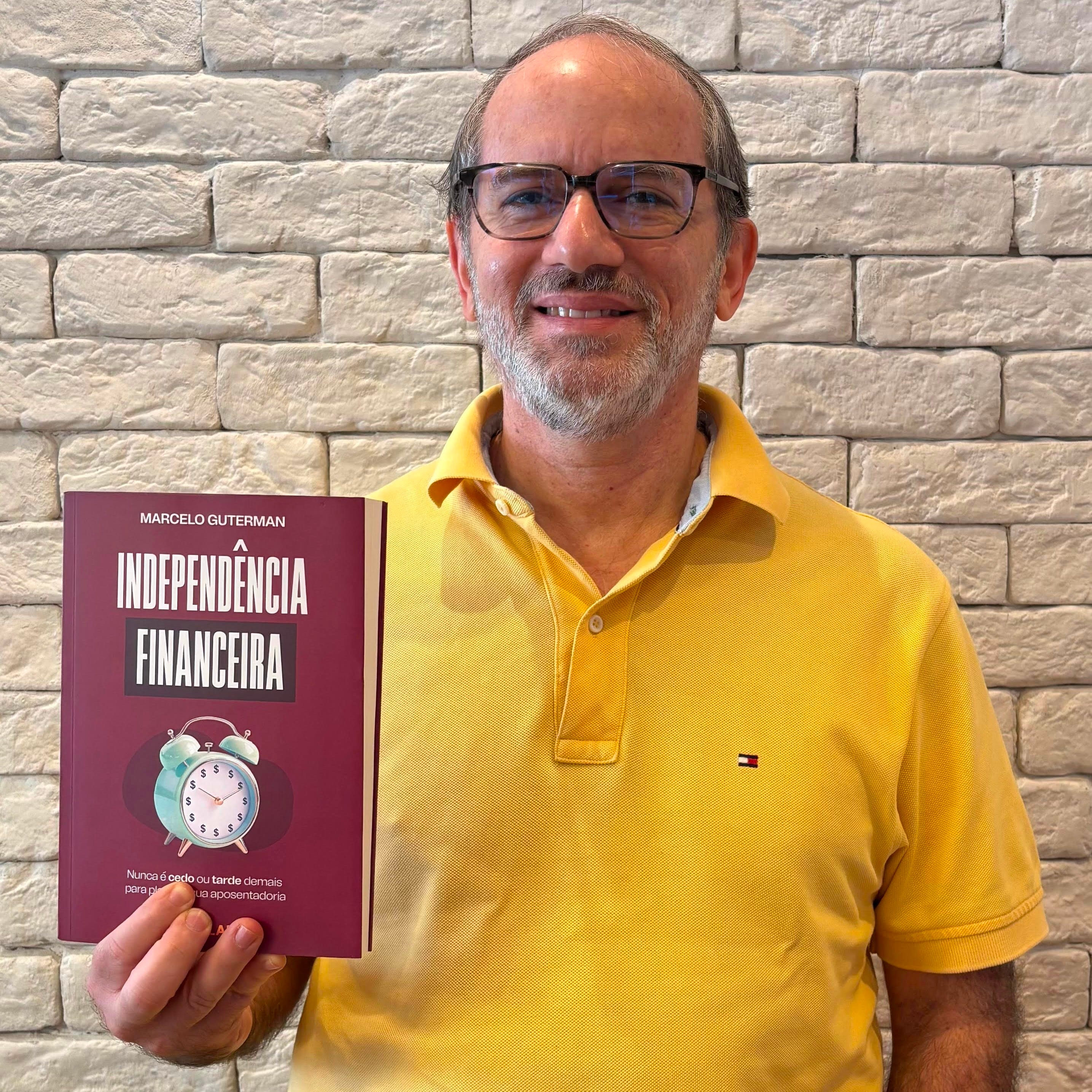
Fechar os Correios, a única solução - Marcelo Guterman
Fechar os Correios, a única solução MARCELO GUTERMAN AGO 30 LEIA NO APP E lá vamos nós outra vez. Os Correios publicaram o balanço do ...
-
Minha entrevista desta sexta-feira 25/02/2022, sobre a dramática situação da Ucrânia no canal +BrasilNews. 1437. “ Entrevista sobre a Ucrân...
-
FAQ do Candidato a Diplomata por Renato Domith Godinho TEMAS: Concurso do Instituto Rio Branco, Itamaraty, Carreira Diplomática, MRE, Diplom...
-
Carreira Diplomática: respondendo a um questionário Paulo Roberto de Almeida ( www.pralmeida.org ) Respostas a questões colocadas por gradua...
-
Um horror perpetrado por um Estado aliado da atual diplomacia lulopetista não é um horror: apenas casos a serem desprezados e ignorados. Cr...
-
Uma preparação de longo curso e uma vida nômade Paulo Roberto de Almeida A carreira diplomática tem atraído número crescente de jovens, em ...
-
Lula e Flavio Bolsonaro na TV Globo, quinta e sexta feira, 27 e 28/08/2026 === No primeiro debate eleitoral de 2026 entre os candidatos à ...
-
Nota preliminar ulterior (se isso não é contradição, não sei o que é): Coloquei aqui uma aparente matéria de -- digo aparente pois foi dessa...
-
Tá explicado! O texto é de 2009, e se refere a matéria ainda mais antiga, mas certas coisas moldam o caráter, não é mesmo? Paulo Roberto de ...
-
Aprimorar o parlamento O maior ganho sistêmico que o Brasil precisa INTELIGÊNCIA DEMOCRÁTICA AGO 15 LEIA NO APP Valdir Santos, Intelig...
-
 Autocracy Inc. de Anne Applebaum Inteligência Democrática , 4/08/2024 Reproduzimos abaixo, numa tradução automática do ChatGPT4, a intr...


Nenhum comentário:
Postar um comentário