segunda-feira, 17 de fevereiro de 2025

Uma história alternativa de Munique 1938 e dos Sudetos 1939 - Timothy Snyder (Thinking about…)

 Appeasement at Munich

World Wars, Past and Possible

As American and Russian negotiators converge today in Munich for a major security conference, carrying in their briefcases various plans about Ukraine without Ukraine, the temptation is to recall another meeting in that city. Appeasement of the aggressor seems to be the plan now, as it was with Germany in 1938.

But the resemblances between that moment and this go deeper, and it worth pausing to consider them. The symmetry between Germany-Czechoslovakia in 1938 and Russia-Ukraine in 2022 is uncanny, and pausing for a moment on the resemblances might help us to take a broader view of today. We are prisoners, now more than ever, of the rumors and disinformation and emotions of the moment. History can give us at least a calmer perspective. And so consider:

Hitler denied the legitimacy of the Czechoslovak state. As German chancellor, he systematically denied that it had a right to exist. Although its leaders were democratically elected, he claimed that they had no right to rule. Because its people spoke various languages, he claimed that there was no such thing as a body of Czechoslovak citizens. Hitler argued that Czechoslovakia itself was artificial, the result of a historical turning point that never should have happened, the settlement after the First World War. He claimed that the existence of national minority gave him the right to intervene in Czechoslovak politics. In May 1938, he ordered his army to make preparations for a quick strike on Czechoslovakia. He also activiated his agents inside the country. On September 12thHitler gave a rousing speech to Germans about the entirely fictional extermination of the German minority in Czechoslovakia. We know what comes next: Britain and France, together with Germany and Italy, decided in Munich on September 30ththat Czechoslovakia should cede crucial border territories to Germany. These were the most defensible parts of the country. Czechoslovakia’s leaders, although they were not consulted, chose to accept the partition of their country.

To see where we are now, it might help, though, to imagine how things might have gone differently. And so, a counterfactual paragraph, in italics:

Czechoslovak’s leaders chose to resist. Though President Benes was generally expected to flee to a foreign capital and form a government in exile, he remained in Prague. His position was stronger than it might have seemed. Although it was a new state and little known to the European powers, Czechoslovakia was a successful democracy and an industrial power. It had the best arms industry in Europe, and a series of fortifications improved the natural defense provided by the mountain range on its border with Germany. Although in the capitals of Europe, the wise heads expected the Germans to reach Prague in three days, in fact the Wehrmacht stuttered in the mountains. The Sudeten War was underway. European public opinion turned against the aggressors. Germany was forced to bring troops from other sectors, and then to mobilize more soldiers. In the midst of a war with an unsure outcome, this was unpopular. Seeing the success of the Czechoslovak resistance, the British and the French began to provide aid, financial and then military. The Americans helped the British to help the Czechoslovaks. France reoccupied the territories that it had allowed Germany to take a few years earlier. A year into what was called the Sudetenland War, Hitler decided that he needed a quick victory to secure his domestic position and intimidate the European powers. Under the cover of another mobilization, he ordered an invasion of Poland’s Baltic territories. But he was unable to keep the operation a secret. Germans began to protest. The Poles had time to move troops from their eastern border. Hitler had to call off the operation. Meanwhile, the Czechoslovaks exploited the chaos to launch a series of paratroop drops behind German lines. Germans took to the streets to demand peace. The Sudeten War was over.

To be sure, we cannot say in detail what might have been. Had Czechoslovakia resisted, however, we can be reasonably confident that there would have been no Second World War, at least not of the sort that Europe experienced beginning in September 1939.

A war against Czechoslovakia in 1938 really would have been hard going for the Germans. Hitler was not bluffing, but his army was not ready. The partition of Czechoslovakia without a fight made matters much easier for him. When Germany invaded Poland in September 1939, it used intact Czechoslovakia tanks and other Czechoslovak arms. He also controlled Czechoslovak economic and human resources. Had Czechoslovakia resisted, that would not have been the case. Even assuming that Czechoslovakia were eventually defeated by Germany, there is no way Germany would have been able to move so quickly against Poland. Also: when Germany invaded Poland in September 1939, it depended on its alliance with the Soviet Union, sealed that August in agreements remembered as the Molotov-Ribbentrop Pact. Had Czechoslovakia resisted, the much harder for the Soviets to have chosen that most active form of appeasement of the Nazis. It is not clear that Germany would have dared to invade Poland at all without Soviet support.

So it does seem reasonable to presume, at a minimum, that Germany would have been, at the very least, slowed down, and denied the prestige and self-confidence that came from the succeeding lightening victories over Poland in 1939 and then France in 1940. Czechoslovak resistance would have made appeasement of Hitler, until then the major drift of European policy, all but impossible.

Now let us consider some of the deeper resemblances between 1938 and 2022. The coincidence of two meetings at Munich is part of two longer stories, eerily similar.

Putin denied the legitimacy of the Ukrainian state. Although its leaders were democratically elected, he claimed that they had no right to rule. Because its people spoke various languages, he claimed that there was no such thing as a body of Ukrainian citizens. Hitler argued that Ukraine itself was artificial, the result of a historical turning point that never should have happened, the collapse of the Soviet Union. He claimed that the existence of national minority gave him the right to intervene in Ukraine politics. At some point in 2021, he ordered his army to make preparations for a quick strike on Ukraine. He also activated his agents inside the country. In a series of speeches that December, Putin provided pretexts for a coming invasion of Ukraine.

Here the timeline turns in a different way. Something happened in early 2022 that few people beyond Ukraine expected to happen.

Ukraine’s leaders chose to resist. Though President Zelens’kyi was generally expected to flee to a foreign capital and form a government in exile, he remained in Kyiv. His position was stronger than it might have seemed. Although it was a new state and little known to the European powers, Ukraine was a democracy and an industrial power. It had one of the best arms industries in Europe, and its commanders had a plan to allow Russian forces to penetrate and then to surround and destroy them. Although the wise heads in Moscow and Washington expected the Russians to reach Kyiv in three days, in fact the Russians were defeated at Kharkiv and Kyiv, although they made meaningful gains in the southeast. By the end of 2022 Ukraine had taken back about half the territories Russia took in the first weeks of the war. European public opinion turned against the aggressors. Appeasement of Russia became difficult. Russia was forced to bring troops from other sectors, and then to seek help from China, Iran, and North Korea.

No italics this time: that is how it happened. And these events give us a sense of what we have to lose.

Three years in, the outcome of the war remains uncertain. What is certain is that no wider war began. Ukraine has destroyed much of the Russian armed forces, and drawn Russian troops away from NATO borders. With some help from allies, it is, in effect, fulfilling the entire NATO mission with its own armed forces, and without NATO membership. Indirectly but meaningfully, Ukraine contributed to the fall of Assad in Syria, by drawing away the Russian air forces and other forces. 

Ukraine also, by resisting, has made less likely other wars of aggression. Although this went largely unnoticed, the Ukrainians also held back nuclear proliferation. Russia used nuclear bluffs throughout the war. By ignoring them and resisting a conventional invasion with conventional power, Ukraine communicated to the world that nuclear weapons were not necessary to resist a nuclear power. That, like so much else, depended upon Ukraine’s continuing ability to fight.

Although one can never be sure exactly where a counter-factual example leads, the events in Czechoslovakia in 1938 help to clarify the stakes of the war in Ukraine. In the first case, a timeline led to a world war, because unnecessary concessions to Hitler created opportunities he would not otherwise have had. The Czechoslovaks, of course, were not chiefly to blame. Had Britain and France not joined Italy and Germany in the Munich agreement, it would have been far easier for Czechoslovakia to resist. In my view, Czechoslovakia still might have done so, and in so doing would have prevented a world war. But it is important to see that the great powers also bear responsibility.

Had Czechoslovakia acted to prevent a world war, it is very unlikely that anyone’s imagination would have reached that far. It is very unlikely that anyone would have thanked to Czechoslovaks for preventing what did not happen. History would have recorded instead a Sudeten War, or a Central European War, or something along those lines. This is worth bearing in mind. We do not appreciate what the Ukrainians have prevented. We lack the imagination, or perhaps the generosity, that is needed to see our own interests.
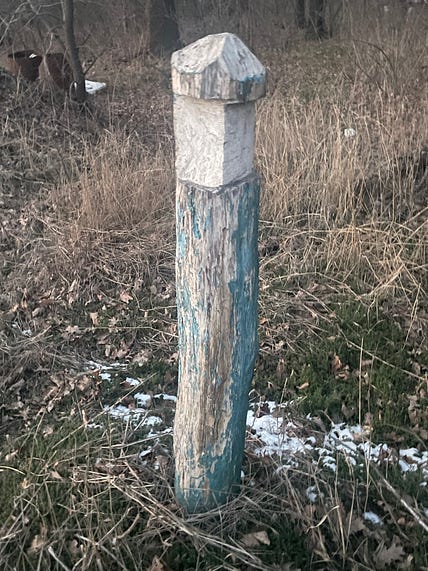
A mile marker in southern Ukraine. TS, 2/2025

No one in the heights of Musk-Trump, I would suppose, gives a thought to what would have happened had Ukraine not resisted, or what will happen if American policy makes that resistance impossible. For whatever reason, most of the high officials in the Trump administration have taken something that resembles Russia’s view of the war. But Russia can only win if it is appeased, which is to say helped. Three years in, Americans seem to be rushing to Munich appease the aggressor. (Except for Secretary of State Marco Rubio, whose plane, it is reported, had a mechanical problem.)

One way to consider the current state of events is this: the Ukrainians have kept us in a kind of suspended 1938, a 1938 that has lasted three years. The year 1938 was far from ideal, but it was much better than 1939, and world war. By resisting, essentially on their own, the Ukrainians have created a timeline that would not otherwise have existed. The rest of us, although we live in that timeline, have done little to deserve it.

Whatever the Trump administration’s other motives in appeasing Russia, that lack of appreciation is among them. Trump himself, his vice-president, the man who holds power (Musk), and their milieux in general all tend to treat Ukraine as a kind of irritant, as a problem rather than as a solution. They are very far away from understanding that Ukraine has held off chaos and war well beyond its borders. Or, perhaps, in some cases, they blame Ukraine for that very achievement, because what they want is war and chaos. 

However that may be, Trump’s policy, at least in the last few days, has been a race to appeasement. He has tried to make it normal to speak to Putin. His administration has publicly said what Ukraine has to do. And, again, whatever the motives, the operative logic is one of appeasement: granting land to the aggressor, reducing the sovereignty of the country attacked.

History can help us to remember certain patterns of causality. It can also, perhaps more importantly, remind us that many things are possible, including things that, for better or worse, did not actually happen. Upon the decisions of a few people at a critical time can hang the passage of one chain of events to another.

Any irony will be lost on American and Russian negotiators at Munich. Russian diplomats have been trained to believe that 1938 was directed against the Soviet Union, and thus that they were the true victims — which is pretty much the Putinist interpretation of history in general. The people who instructed the American team is unlikely to know what happened in Munich in September 1938, sad to say.

But one does not need irony, or even history, to see the essentially logical problem of appeasing Putin now. 

Russia is the aggressor. Russia says openly that its war aims extend far beyond what it has achieved now. Russia has an interest in a pause in the war because it is doing poorly and because its leaders believe, reasonably, that a ceasefire will end US support of Ukraine, distract the Europeans, and make it harder for Ukraine to mobilize its population and resources a second time for a later Russian strike. Russia also naturally has an interest in American leaders putatively granting it Ukrainian territory, including territory which it does not even occupy. This sets a precedent that international law does not matter and/or that Ukraine is not a legitimate state protected by such law.

Appeasing Russia, if it leads to Russian victory now or later, could very well create the conditions for a world war. A Russia that destroys Ukraine, in effect with American assistance, would be a very different country. Ukrainian resources, like Czechoslovakia resources in 1938, would make of the aggressor a much stronger power. This is an uncomfortable point, but one that must be considered. Ukraine has the best army in Europe, and the most battle-hardened one. It is the only country in the West to have fought a major war in this decade. It is innovating faster than others can copy. All of this, and the agriculture, and the minerals, and the ports, can be lost to Russia. And then, after a time of course, Europe faces a far more powerful country, one made for war, one whose leaders believe that war works. 

A Russian victory, especially one enabled by American diplomacy, opens the world not just to further Russian aggression in Europe, but to wars of aggression everywhere. It also almost certainly means nuclear proliferation, since future aggressors and those who fear them will both learn the lesson that nuclear weapons are necessary.

The Russo-Ukrainian War is horrible, and should be brought to an end. But appeasement is an apparent shortcut that leads to longer and bloodier conflict. It would not be that difficult, at least in normal conditions, to apply American power to end Russia’s war in Ukraine. The logic is simple: make things harder for Russia, and make things easier for Ukraine. 

At the moment, American policy is the opposite. 

Musk-Trump is making it harder for the Ukrainians to keep us in our extended 1938. Of course, that does not mean that American policy will be consistent, let alone succeed. The war cannot actually be halted without Ukrainian and indeed European participation. The desire for a quick resolution is more likely than not to lead to unexpected consequences, for which the Americans will likely lack the patience.The desire for a quick deal leads to a haste that overlooks important aspects of the problem. 

Given the general level of distress across the federal government, it is hard to imagine that the Americans are very well prepared for these meetings — although the Russians will be. The Americans cannot get official planes off the ground. Lower-ranking officials are right now trying to qualify the more radically appeasing concessions that Trump and his secretaries of defense and state have made in public. The American vice-president was going to meet with the Ukrainian president at Munich. But then again now perhaps he is not. There is a distressing “who knows” quality to all of this.

But however things turn out, the first American move under Musk-Trump has been to endorse appeasement. Knowingly or not, and I do not presume to say which, that choice pushes us one step towards 1939. 

11:35am Munich time, 14 February 2025

Share

Thinking about... is a reader-supported publication.

Under Trump, a U.S. that once united Europe now divides it - Michael Birnbaum, Sammy Westfall (The Washington Post)

 Under Trump, a U.S. that once united Europe now divides it

Michael Birnbaum with Sammy Westfall 

The Washington Post, Feb 17, 2025


MUNICH — When Russia invaded Ukraine three years ago, the United States helped whip Europe into a staunchly unified response. Now, U.S. leaders may be splitting Europe into pieces as President Donald Trump seeks to end the war, European leaders and policymakers say.

Vice President JD Vance and other top administration officials made their European debut last week, slashing their way through a continent of allies as they embraced far-right leaders, demanded access to mineral wealth and offered sympathy to the views of Russian President Vladimir Putin.

By the end of the week, European leaders found themselves potentially cut out of peace talks with Russia, facing down a trade warwith Washington and scrambling to answer U.S. requests about how many troops they can marshal to Ukraine to guarantee a truce negotiated without their input.

Europeans already had four years of a Trump presidency. But many policymakers say that this time feels different, with four head-snapping weeks of Trump already recasting the attitudes of leaders who had vowed to make the best of his new term in office.

“The view was a little bit more optimistic” just four weeks ago as Trump entered office, Finnish President Alexander Stubb told reporters Saturday.

“Of course, the developments that we’ve seen in the past few days give us a little bit more pause for pessimism. But as I’ve always said, pessimism is usually inaction. Optimism is action, and realism is a solution,” he continued. “So let’s be realistic and try to look at a good pathway forward.”

Many Europeans are looking at the situation “with nervousness, frustration and even alarm,” said Jeffrey Rathke, the president of the American-German Institute at Johns Hopkins University and a former U.S. diplomat.

European foreign ministers who were in Munich this weekend for an annual gathering of the transatlantic security elite sat for an impromptu breakfast on Sunday to discuss what to do. French President Emmanuel Macron invited some of Europe’s leaders to Paris on Monday to discuss European security and Ukraine.

Advocates of Washington’s generations-long partnership with European democracies say that Trump’s team has quickly become a force for chaos. The United States helped rebuild Europe after World War II and fostered the economic cooperation of the European Union to try to put an end to nationalist clashes on the continent. Critics say Trump is trying to pull Europe apart, emboldening the Kremlin and raising the risk of borders being redrawn again by force.

“We had a century of American leadership where we’ve been able to be seen as a force toward stability. And that is not just vanishing, but it’s actually moving in the opposite direction,” said Sen. Andy Kim (D-New Jersey), who worked for the State Department before going into politics and spent the weekend talking to European policymakers in Munich.

“We are becoming a source of instability and a source of concern, even among our own allies,” he said. “What’s the value of the American handshake? And right now here in Munich, it doesn’t have value. People don’t think they can count on it, even if they get an agreement.”

‘Whiplash’

Europeans have been shocked by the speed at which Trump and his lieutenants have taken aim at pillars of their continent’s security and moved to cut a deal with Russia. Many NATO allies left a meeting of defense ministers last week convinced that Defense Secretary Pete Hegseth planned to pull tens of thousands of troops from Europe in the coming years, three officials said, though they cautioned that the effort still appears nascent.

Trump also spoke for nearly 90 minutes on Wednesday to Putin without consulting with Ukraine or Europeans beforehand, then emerged from the conversation appearing to embrace the Kremlin’s viewpoint that NATO expansion justified Russia’s invasion of Ukraine

Until now, it has been a tenet of U.S. policy that European countries have the right to seek their own alliances free from Russian military pushback.

Some on Trump’s team dismiss the idea that he is trying to sow divisions inside Europe. Tough, frank talk between friends is the best way to spark European defense spending and rebuild a partnership, they say.

“You look at triage as a medic, what’s the first thing you do? Stop the bleeding, then you treat for shock. And what we’re trying to do is we’re trying to stop the bleeding,” said Keith Kellogg, Trump’s special envoy for Ukraine and Russia.

“You cannot restrict this conflict intellectually to just Europe,” he said. “This is a global fight. And if you don’t think it’s a global fight, you’re wrong.”

But Europeans say that Trump’s policies are unraveling efforts to cooperate against common foes. Even good-faith attempts to build ties to his administration have been undercut by his shifting decisions, some of them said, noting that they were told to talk to Kellogg about Ukraine and Russia when he was appointed the envoy and have invested months in the relationship.

Trump last week appeared to cut Kellogg out of the key dialogue with Russia, announcing that his Mideast envoy and personal friend, Steve Witkoff, would handle talks with the Kremlin instead. Kellogg won’t be in Saudi Arabia this week when the Trump administration sits down with Russian counterparts for the highest-level dialogue since the February 2022 invasion of Ukraine.

“We need to work together against dictators and not fight among each other about democracy,” Dutch Defense Minister Ruben Brekelmans said in an interview. “And we should project unity and strength.”

One former U.S. official in Munich summed up attitudes succinctly: “Whiplash,” the person said, speaking on the condition of anonymity for fear of retaliation.


‘The old days are over’

Many policymakers were especially taken aback by Vance’s Friday speech in Munich, where he blasted “fire walls” that Germany’s centrist parties have built against including the anti-immigrant, nationalist Alternative for Germany party in coalitions. Some of the party’s leaders have embraced Nazi-era slogans and declared that new generations should be freed from apologizing for the sins of their grandparents. Vance also met party leader Alice Weidel, becoming the highest-ranking U.S. official to do so.

Vance was trying “to pick a fight with us, and we don’t want to a pick a fight with our friends,” E.U. foreign policy chief Kaja Kallas said Friday after the speech.

Some leaders noted that Vance delivered the speech a day after laying a wreath for the victims of the Dachau concentration camp — a physical embodiment of what can happen when nationalism steers toward extremes.

The threat is not just theoretical, they said: Russia has designs on full control of Ukraine and potentially biting into other neighbors too.

“I’m not saying that we are at war, but we cannot claim that we are in peacetime anymore, and a hybrid car is still a car, right? Hybrid war,” said Danish Prime Minister Mette Frederiksen, who has already clashed with Trump over his demands to take over Greenland.

“For me, I mean, there is a big risk that something that will look nice on the paper will give Russia the possibility to mobilize, to rearm and to continue, maybe in Ukraine or somewhere else,” she said.

Ukraine’s leader also noted the new attitude from Trump, pushing Europe to unite in the face of the challenge and build the strongest possible relationship with Washington.

“A few days ago, President Trump told me about his conversation with Putin. Not once did he mention that America needs Europe at the table,” President Volodymyr Zelensky said Saturday. “That says a lot. The old days are over when America supported Europe just because it always had.”

Elements of the common U.S. and European effort to help Ukraine have fallen victim to Trump’s targeting of the U.S. Agency for International Development and freeze on foreign aid. Key parts of the challenging work to keep Ukraine’s lights on were paid by USAID, with the aid halt freezing the production of key replacement parts for the power grid and generation, one Ukrainian energy official said, speaking on the condition of anonymity to discuss a sensitive security topic.

With no clarity about when or if U.S. funding might be restored, Ukrainians likely will shiver in the dark this winter for more hours every day than if USAID were paying the contracts it signed, the official said.

“If there’s not any kind of underlying trust and alliance, and everything is [a] jump ball because it’s a negotiating tactic,” said Sen. Mark R. Warner (D-Virginia), “will people then rightfully feel everything with America is now transactional, rather than based upon the normal rule of shared values and shared history, shared defense against authoritarians in the past?”

Ellen Francis contributed to this report


Russo e americanos falam sobre a Ucrânia sem os ucranianos - Timothy Snyder (Thinking About, via Revista ID)


Russos e americanos falam sobre a Ucrânia sem os ucranianos

Timothy Snyder, Thinking About (17/02/2025)

Amanhã na Ucrânia, soldados russos atacarão ucranianos. Drones, bombas e foguetes russos atingirão lares ucranianos. Uma guerra criminosa de agressão continuará.

Amanhã, na Arábia Saudita, autoridades russas discutirão o futuro da Ucrânia com um punhado de americanos, delegados por um presidente que simpatiza com a visão russa da guerra. Os russos terão o luxo de falar sobre a Ucrânia sem a presença de ucranianos.

As manchetes são sobre “negociações de paz”. Mas o que realmente está acontecendo? Como devemos pensar sobre esse encontro incomum na Arábia Saudita?

Aqui estão dez sugestões, extraídas de anos de trabalho nas relações entre os três países e de algumas observações pessoais recentes na Conferência de Segurança de Munique.

1. Seja crítico com as palavras oferecidas. Questione a palavra “paz”. O termo usado na mídia é “negociações de paz”. Os Estados Unidos e a Rússia não estão em guerra. A Rússia está em guerra com a Ucrânia, mas a Ucrânia não é convidada para essas negociações. As autoridades russas, por sua vez, geralmente não falam de paz. Elas apresentam as negociações com os Estados Unidos como um golpe geopolítico, o que não é a mesma coisa. Os mais altos funcionários russos declararam repetidamente que seus objetivos de guerra na Ucrânia são maximalistas, incluindo a destruição do país. Observadores informados geralmente tomam como certo que a Rússia usaria um cessar-fogo para distrair os Estados Unidos e a Europa, desmobilizar a Ucrânia e atacar novamente. Este não é um plano que os russos estão trabalhando muito para disfarçar. É um ponto simples, mas sempre vale a pena fazer: pode realmente haver paz amanhã na Ucrânia, se a Rússia simplesmente removesse sua força de invasão.

2. Considere as horríveis táticas de negociação dos Estados Unidos. Elas são tão desastrosamente ruins que colocam em questão se essas conversas podem realmente ser consideradas negociações. Trump e todos ao seu redor continuam enfatizando que os Estados Unidos estão com pressa. Mas nenhum negociador faria isso. Admitir urgência concede ao outro lado a facilidade de arrastar os pés para obter concessões. E estas já estão em oferta! Membros da administração Trump e o próprio Trump continuam concedendo pontos essenciais à Rússia antes de quaisquer conversas reais e em público (território, filiação à OTAN, momento das eleições, até mesmo a existência da Ucrânia) — questões que não são apenas essenciais para a Ucrânia, mas elementares para a soberania ucraniana. A única maneira de tal comportamento americano fazer sentido é se considerarmos que os americanos estão negociando como russos. Mas se todos na Arábia Saudita estiverem do mesmo lado, estas não são negociações. "Conversas" são mais seguras.

3. Não se esqueça de que a lei e a ética são parte da realidade. Os Estados Unidos escolheram negociar com os agressores (o presidente da Federação Russa foi indiciado por crimes de guerra) em vez de apoiar as vítimas. Ao estender a mão para Vladimir Putin, Donald Trump acabou com o isolamento internacional do líder russo. Ao falar de Putin como alguém que supostamente quer a paz em vez de como o agressor na guerra mais sangrenta desde 1945, ou como alguém que foi indiciado por crimes de guerra, Trump está buscando limpar a mancha moral da pessoa que quebrou a mais fundamental das leis internacionais ao invadir outro país. Mesmo que as negociações não tenham outras consequências, a reabilitação de Putin por Trump é significativa para a Rússia.

4. Enfatize a ausência da Ucrânia. É um truísmo da história internacional, assim como senso comum simples, que se você não está à mesa, então você está no menu. Discussões com a Rússia sobre a Ucrânia sem a Ucrânia criam uma situação estrutural na qual os interesses básicos da Ucrânia e dos ucranianos não podem ser representados. Nenhuma analogia histórica é perfeita, é claro; mas precedentes para tal tratamento na Europa incluem os acordos de Munique de 1938 e o pacto Molotov-Ribbentrop de 1939. Um registro mais longo pode ser encontrado na história do colonialismo.

5. Lembre-se de que a Ucrânia é um estado soberano e vítima da guerra. A combinação de pompa e mistério em torno dessas conversas eleva seus participantes aos atores centrais da história. Se a narrativa da cúpula for feita de forma descuidada, pode criar a impressão de que a Rússia e os Estados Unidos de alguma forma têm autoridade para decidir o futuro da Ucrânia. É bem possível que eles tentem forçar a Ucrânia a fazer coisas, usando coerção ou chantagem, e deve ficar claro que isso está implícito em qualquer acordo sobre a Ucrânia sem a Ucrânia. Nenhum acordo entre a Rússia e os Estados Unidos tem aplicação legal para a Ucrânia. Certamente vale a pena saber e mencionar que a Ucrânia construiu pacientemente um consenso em torno de sua própria fórmula de paz. Vale a pena revisar, mesmo que seja apenas para conhecimento prévio das questões básicas.

6. Considere o que sabemos sobre poder. Na guerra, há vencedores e perdedores. Os agressores fazem as pazes quando lhes parece que sua agressão não é mais do seu interesse. Falar é incidental a isso. É bastante surpreendente ouvir o pessoal de Trump, que fala tanto sobre força , repetidamente fazendo o ponto de acampamento de verão de esquerda de que tudo o que realmente precisamos para a paz é nos reunirmos e conversarmos. Se o governo Trump levasse a sério a ideia de chegar à paz rapidamente, eles pressionariam a Rússia e acelerariam o apoio à Ucrânia. Como não estão fazendo nenhuma dessas coisas, eles ou não entendem o poder ou não estão almejando a paz.

7. Resista à propaganda russa. Para a Rússia, essas conversas são uma ocasião para espalhar sua linha. Os propagandistas russos terão coisas a dizer sobre a legitimidade do estado ucraniano, os padrões da história ucraniana, as pessoas que governam a Ucrânia e assim por diante. As conversas serão a ocasião para tentar fazer com que repórteres internacionais repitam essas alegações.

8. Seja crítico da propaganda americana também. Os russos gostam de espalhar histórias sobre suposto desperdício na Ucrânia. O pessoal de Trump tem seu próprio uso para isso. Isso se encaixa em seu senso de queixa, que é como eles abordam todos os assuntos. O pessoal de Trump se concentra na ideia de "recuperar os custos" da ajuda dos EUA à Ucrânia. Isso não é sério e enganoso. O principal problema orçamentário dos EUA é que os ricos não pagam sua parte dos impostos. Toda a conversa dessa administração dominada por bilionários sobre recuperação de custos é duvidosa apenas por esse motivo. A maior parte da contribuição militar americana para a Ucrânia fica nos Estados Unidos, mantendo as fábricas funcionando e pagando os trabalhadores americanos. Em geral, as armas que os EUA enviaram para a Ucrânia eram obsoletas e teriam sido destruídas, a custos para o contribuinte americano, sem nunca terem sido usadas. Os EUA contribuíram menos para a Ucrânia do que a Europa. Como uma porcentagem do PIB, os EUA estão muito, muito atrás dos países que o pessoal de Trump critica implacavelmente. O custo efetivo para os europeus tem sido, de fato, muito maior, já que as sanções à Rússia importavam muito mais para as economias europeias do que para a economia dos EUA. Os custos essenciais da guerra na Ucrânia foram pagos pelos ucranianos, não apenas em enormes perdas econômicas, mas em milhões de migrações forçadas, centenas de milhares de feridos e dezenas de milhares de vidas perdidas. Ao resistir à Rússia, a Ucrânia também forneceu tremendos benefícios econômicos e de segurança aos Estados Unidos. O que os Estados Unidos aprenderam com os ucranianos sobre a guerra moderna — e esse é apenas um dos muitos benefícios — justifica facilmente os custos, mesmo nos termos de segurança mais restritos.

9. Pese as vulnerabilidades de Trump. Por décadas, Trump tende a repetir o que os líderes soviéticos e russos dizem. Ele fala com Putin regularmente e expressa seu fascínio. Ele repete pontos de discussão russos sobre a guerra. A noção de que a guerra é custosa para os Estados Unidos é um ponto em que a propaganda putinista e trumpista se sobrepõe, e parece direcionada a uma das obsessões de Trump de que ele está sendo enganado. A Ucrânia, é claro, é a parte que sofreu os custos econômicos. Mas redefinir a guerra como uma oportunidade para os Estados Unidos ganharem dinheiro parece projetado para manipular Trump.

10. Reflita sobre o colonialismo. A guerra da Rússia contra a Ucrânia tem sido obviamente colonial, em todos os sentidos da palavra. Moscou nega que a Ucrânia seja um estado, que os ucranianos sejam um povo, que seus líderes eleitos sejam legítimos. Uma guerra envolta em tal ideologia colonial permite a exploração de recursos ucranianos roubados, incluindo crianças roubadas. Nas últimas semanas, os americanos começaram a falar com grande interesse sobre os recursos minerais da Ucrânia. Na Conferência de Segurança de Munique, os americanos pediram ao presidente ucraniano que cedesse metade da riqueza mineral de seu país para sempre em troca de um tapinha na cabeça hoje. Pode muito bem ser que os Estados Unidos pretendam usar a ameaça de violência russa para apreender a riqueza ucraniana — "poderíamos parar a guerra, mas precisamos de seus recursos primeiro". Uma extorsão de proteção, em outras palavras.

Então: ao repetir a noção de “negociações de paz”, não estaríamos contribuindo para uma farsa? Dos fatos observados acima, três possíveis enquadramentos das negociações russo-americanas emergem. Primeiro, os americanos querem sinceramente a paz, mas são simplesmente incrivelmente incompetentes. Segundo, a incompetência é proposital; o jogo é manipulado para gerar um acordo entre a Rússia e os EUA que é inaceitável para a Ucrânia. Terceiro, Putin e Trump já elaboraram planos comuns para a dominação colonial da Ucrânia, e as negociações apenas fornecem cobertura.

Revista ID é uma publicação apoiada pelos leitores.

Humanamente possível: Sete séculos de pensamento humanista - Sarah Bakewell (resenha de livro)

Humanamente possível

Sete séculos de pensamento humanista

 Sarah Bakewell

Objetiva


A curiosidade intelectual, a empatia e o otimismo que caracterizam o pensamento humanista servem de inspiração há séculos. Sarah Bakewell reúne neste livro as mais extraordinárias jornadas de homens e mulheres que, desde os anos 1300 até os nossos dias, revolucionaram o modo de pensar e existir no mundo.


Ao longo dos séculos, houve muitos humanistas. Foram estudiosos exilados, andarilhos que sobreviviam de expedientes e palavras. No início da era moderna, vários deles se complicaram com a Inquisição. Outros tentaram se manter a salvo escondendo o que pensavam, às vezes tão bem que até hoje não fazemos ideia do que achavam. Formas humanistas de pensamento emergiram de muitas culturas, numa densa nuvem semântica de significados e implicações, mas Bakewell acredita que exista uma tradição humanista coerente, compartilhada por pessoas unidas por fios multicoloridos. São esses fios que ela investiga neste livro. Apesar de sua imensa variedade, ela costura as qualidades que unem o pensamento humanista e explica por que ele tem um poder tão duradouro apesar da oposição de fanáticos, místicos e tiranos.
De Cristina de Pisano a Bertrand Russell, de Voltaire a Arthur C. Clarke, de David Hume a Harriet Taylor Mill, Humanamente possível é um irrecusável convite à celebração do espírito humano, um livro crucial para o mundo polarizado em que vivemos hoje, além de uma leitura agradabilíssima. De um jeito leve, bem-humorado e ao mesmo tempo erudito, Sarah Bakewell resgata a melhor parte de sermos apenas... humanos.


“Um livro de grandes e audaciosas ideias. Bakewell aborda diversos temas com perspicácia, humor e empatia.” — The Wall Street Journal

“Bakewell domina sete séculos de pensamento humanista em uma narrativa ágil, resistindo às armadilhas da abstração prolixa e da simplificação superficial.” — The New York Times

“Não consigo imaginar uma história melhor do humanismo, uma que seja tão vividamente convincente. Bakewell é uma escritora maravilhosa.” — Philip Pullman


==============


Humanamente possível

Hélio Schwartsman

Folha de S. Paulo, 16/02/2025


Livro combina história e biografias para traçar um retrato do humanismo do século 14 aos dias de hoje


Há duas formas de se empanturrar. Você pode devorar quantidades pantagruélicas de um só prato ou saborear pequenos bocados de infindáveis petiscos. "Humanamente Possível", de Sarah Bakewell, é um banquete intelectual do segundo tipo.

Bakewell nos serve dezenas de autores esparramados ao longo de sete séculos de tradição humanista. Começa com Petrarca e Boccaccio, nos anos 1300, passa pelo Renascimento, com sua valorização de clássicos da Antiguidade como Vitrúvio, e termina nos dias de hoje.

A grande dificuldade, como o leitor já deve ter intuído, é definir o que é humanismo. Se há um movimento que resiste a definições precisas, é justamente o multifacetado humanismo.

Bakewell nem ousa oferecer um conceito fechado de humanismo. Ela opta por indicar os sabores principais em que ele aparece. Na variante filosófica, por exemplo, ele costuma vir como uma rejeição a explicações sobrenaturais para os fenômenos, daí que frequentemente é confundido com agnosticismo e ateísmo. A rigor, porém, dá para ser humanista e religioso ao mesmo tempo. O pio Dante é um dos autores que aparecem com destaque no livro.

Ao fim e ao cabo, o humanismo é como a pornografia. É mais fácil reconhecer um autor humanista quando o vemos do que definir o movimento em termos abstratos. E é aí que Bakewell se mostra uma banqueteira de primeira.

Ela combina com maestria história e biografia para nos oferecer retratos do pensamento e das vidas de diversos filósofos, poetas, romancistas, dramaturgos, filólogos, pintores, arquitetos e até políticos. Se há um denominador comum entre eles é que todos, em algum sentido valorizavam e celebravam a dimensão humana da vida. Mas mesmo isso é traiçoeiro, porque, em suas transfigurações mais recentes, o humanismo assume também a bandeira da defesa dos animais.

O livro é oportuno, por mostrar que já houve outras ocasiões na história em que humanistas tiveram de enfrentar forças que se alimentavam de intolerância, racismo e outras formas de crueldade contra humanos.


Curso Sapientia: a importância de Machado de Assis para os exames de ingresso no Itamaraty

Achei interessante como resumo da obra do bruxo do Cosme Velho, sempre presente nos exames de ingresso para a carreira diplomática. 

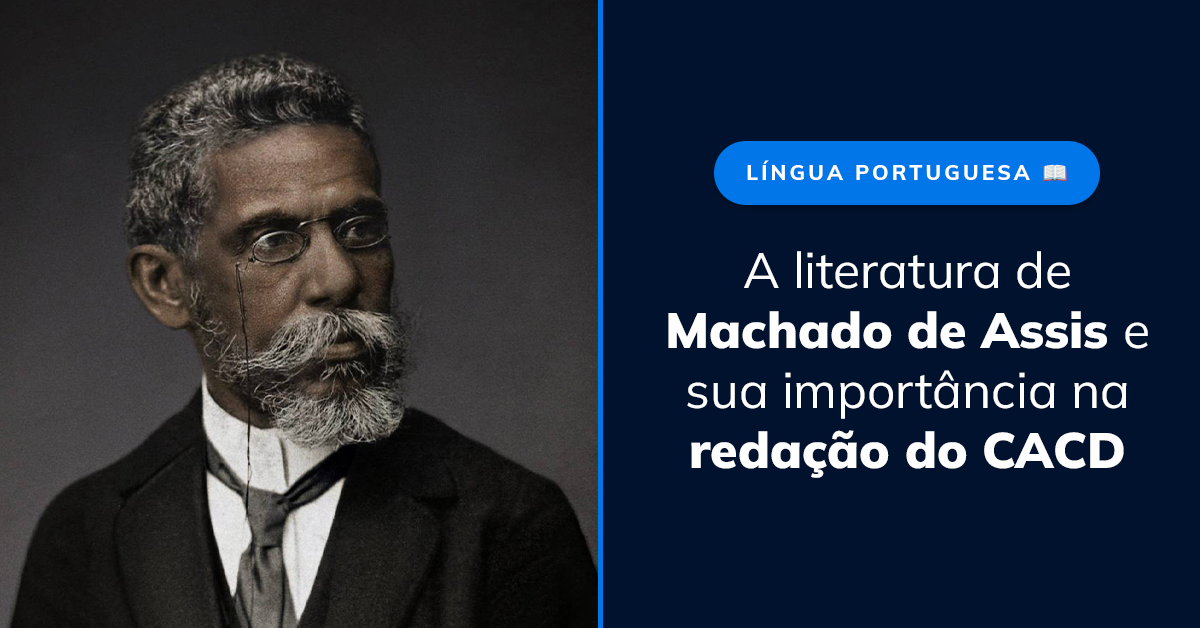
A literatura de Machado de Assis e sua importância na redação do CACD


Machado de Assis é um dos maiores escritores da Literatura Brasileira, reconhecido por sua genialidade, ironia sutil e habilidade em retratar a sociedade de seu tempo.


No contexto do Concurso de Admissão à Carreira de Diplomata (CACD), o conhecimento sobre sua obra pode fazer a diferença, especialmente na prova de Língua Portuguesa, que exige uma interpretação crítica e análise textual refinada.


Embora o edital não tenha uma disciplina específica de Literatura, suas obras são uma rica fonte para ampliar o repertório cultural e desenvolver argumentos consistentes na redação e nos exercícios dissertativos.


Neste artigo, vamos explorar a trajetória de Machado de Assis, o contexto histórico-literário em que ele viveu e as cinco obras mais importantes para quem se prepara para o CACD.


Quem foi Machado de Assis? O gênio autodidata


Joaquim Maria Machado de Assis nasceu em 21 de junho de 1839, no Morro do Livramento, no Rio de Janeiro. Filho de uma lavadeira e de um pintor, teve uma infância marcada pela pobreza, frequentando a escola pública por pouco tempo e nunca ingressando no ensino secundário. Sua educação foi resultado de um esforço autodidata, aprendendo português, francês e inglês por meio de leituras intensas.


Mesmo com uma origem humilde, Machado de Assis ascendeu socialmente graças à sua dedicação e talento literário. Trabalhou como tipógrafo, revisor e funcionário público, ao mesmo tempo em que publicava suas primeiras poesias, crônicas e contos. Foi um dos fundadores da Academia Brasileira de Letras (ABL), da qual se tornou o primeiro presidente.


Machado viveu durante o Segundo Império e acompanhou a transição para a República, mas manteve-se um crítico perspicaz das relações sociais, políticas e econômicas de sua época. Conservador e monarquista, suas obras refletem um olhar aguçado sobre as contradições da sociedade brasileira, muitas vezes utilizando a ironia como principal recurso estilístico.


Contexto Literário: do Romantismo ao Realismo


Machado de Assis transita entre o Romantismo e o Realismo, mas é no Realismo que sua produção literária alcança seu auge. Suas primeiras obras, como Ressurreição(1872), ainda trazem traços românticos, com histórias focadas em dilemas amorosos e finais idealizados. No entanto, a partir de Memórias Póstumas de Brás Cubas (1881), inaugura-se uma nova fase, marcada pelo pessimismo, pela crítica social e pelo aprofundamento psicológico das personagens.


No Realismo, Machado abandona as idealizações românticas e passa a retratar a sociedade brasileira de forma crua, expondo hipocrisias, egoísmos e ambições desmedidas. Esse período é essencial para entender a evolução literária no Brasil e fornece um repertório importante para o candidato ao CACD, que pode ser utilizado na análise de textos dissertativos.


Cinco Obras Essenciais de Machado de Assis


Conhecer a obra de Machado de Assis é indispensável para quem busca enriquecer seu repertório cultural. A seguir, destacamos cinco das suas obras mais importantes, com um breve resumo de cada uma.


1. Memórias Póstumas de Brás Cubas (1881)


Essa obra marca a transição de Machado para o Realismo e é considerada uma das mais inovadoras da literatura brasileira. Narrada em primeira pessoa por Brás Cubas, um "defunto-autor", o livro apresenta uma visão cínica e irônica da sociedade. O protagonista relata suas memórias após a morte, expondo as fraquezas humanas, a hipocrisia social e o vazio das ambições materiais.


Por que ler?
Além de ser uma crítica social poderosa, a obra é um exemplo clássico do uso da ironia, e oferece um olhar crítico sobre a sociedade brasileira do século XIX, mas que ainda ecoa no mundo contemporâneo.


2. Dom Casmurro (1899)


Um dos romances mais conhecidos de Machado, Dom Casmurro conta a história de Bento Santiago, que narra suas memórias de juventude e sua relação com Capitu. A obra é famosa pela ambiguidade, levantando a eterna dúvida: Capitu traiu ou não traiu Bentinho? Com uma narrativa densa e introspectiva, o romance aborda temas como ciúme, traição e memória.


Por que ler?
O livro é uma aula de construção narrativa e simbolismo, aspectos frequentemente cobrados em análises literárias e provas dissertativas.


3. Quincas Borba (1891)


Essa obra faz parte do que se cunhou chamar de trilogia realista de Machado, ao lado de Memórias Póstumas de Brás Cubas e Dom Casmurro. A trama gira em torno de Rubião, herdeiro de Quincas Borba, um filósofo excêntrico que desenvolveu a teoria do "Humanitismo". A obra é uma crítica à ingenuidade humana e às ilusões de grandeza, acompanhada de uma análise implacável das relações de poder e interesse.


Por que ler?
A teoria do Humanitismo é uma sátira filosófica que oferece um interessante material para discussões críticas.


4. Esaú e Jacó (1904)

Situado no período de transição entre o Império e a República, Esaú e Jacó acompanha a história dos irmãos gêmeos Pedro e Paulo, que vivem em constante conflito. A obra reflete as tensões políticas e sociais do Brasil no final do século XIX, funcionando como uma metáfora para o próprio país.


Por que ler?
A obra oferece uma oportunidade única para analisar como Machado dialoga com o contexto histórico e político brasileiro.


5. Memorial de Aires (1908)

Último romance de Machado de Assis, Memorial de Aires tem um tom mais melancólico e reflexivo. Narrado pelo conselheiro Aires, o livro aborda a passagem do tempo, a velhice e a resignação diante das adversidades da vida.


Por que ler?
A linguagem sofisticada e a abordagem filosófica são valiosas para quem busca aprimorar suas habilidades de escrita e interpretação.

Postagem em destaque

Livro Marxismo e Socialismo finalmente disponível - Paulo Roberto de Almeida

Meu mais recente livro – que não tem nada a ver com o governo atual ou com sua diplomacia esquizofrênica, já vou logo avisando – ficou final...