quinta-feira, 16 de abril de 2026

PM Pedro Sánchez's Tsinghua Speech: A Masterclass in Diplomatic Rhetoric - Sinica

Discurso do presidente do Gabinete espanhol Pedro Sanchez na Universidade Tsinghua, na China. O original em espanhol deve estar no site do ministério das RREE da Espanha, mas salvei este, traduzido para o inglês, publicado no site Sinica.

PM Pedro Sánchez's Tsinghua Speech: A Masterclass in Diplomatic Rhetoric 

On Monday evening after dinner, I met my good friend Julio for a quick beer before a scheduled phone call. As a Spaniard working in Beijing as an EU diplomat, Julio had been invited to attend Prime Minister Pedro Sánchez’s speech at Tsinghua, and gave me an excellent and detailed account of it that had me eager to read it. I looked around for a copy of it online, but was only able at last to find one this morning. The translation below comes from La Moncloa and was translated from the original Spanish by Claude, and has not been checked by a native Spanish-speaker, so apologies for any mistakes or inelegant renderings.

It’s a marvel of the rhetorical art. The Mateo Ricci cartographic framing of it — he leads with and, in a coda, comes back to the famous Jesuit who arrived in China in the late 16th century — was inspired, and I doff my hat and sweep it low to the speechwriter who came up with it. It’s such a perfect device to talk about geographic recentering, perspectival change, and cultural cross-pollination. 

He moves into a well-chosen set of riffs on the Spanish empire and China, reminding his audience that the two civilizations were already in active commercial exchange during the Ming dynasty — and doing so in a way that subtly flatters Chinese historical self-understanding. He’s not condescendingly acknowledging China’s “rise”; but something more like, you were already great, and we knew it. That’s a meaningful distinction, and a Chinese academic audience would feel it immediately.

The speech’s structural architecture is where the real rhetorical craft lies. Sánchez builds his argument around three pillars — multilateralism, balanced trade, and the provision of global public goods — and in doing so he pulls off something fairly difficult: he delivers pointed criticisms of Chinese behavior while keeping the overall register warm, collegial, even admiring. Think of it less as a spoonful of sugar helping the medicine go down, and more as a pill wrapped in jamon iberico. The treat is real, the medicine is real, and the patient swallows both.

The multilateralism pillar is the cleverest, because it hands Beijing something it genuinely wants — a full-throated European endorsement of multipolarity and a call for Western powers to relinquish their outsized representation in global institutions in favor of the Global South — while simultaneously making the implicit argument that China, as a major beneficiary of the rules-based order, has obligations to uphold it. The call for stronger multilateral institutions is music to Beijing’s ears; the implication that this includes adherence to international law in Ukraine is the catch. But Sánchez buries the Ukraine needle so deftly between layers of warm affirmation that it barely registers as a rebuke. He doesn’t say China should pressure Russia; he says China should do what it is already doing — demanding that international law be respected — only more. It is criticism structured as encouragement, which is perhaps the most face-saving form criticism can take.

The trade imbalance section is the speech’s most exposed nerve, and Sánchez handles it with impressive care. He arrives at it only after having established himself as a genuine believer in multipolarity and a critic of Western insularity — in other words, after having demonstrated that he is not lecturing from a position of assumed superiority. By the time he mentions that Spain’s trade deficit with China represents 74% of the country’s total deficit, my sense is he has earned enough goodwill in the room to say it plainly. And he frames it not as an accusation but as a structural problem that threatens the very multipolar order he and his hosts both profess to want. The logic is elegant: protectionism and isolationism (read: rightwing populism) in Europe are fed by trade imbalances; trade imbalances are therefore a threat to Chinese interests too. You, Beijing, have a stake in fixing this.

The closing Ricci reprise is beautifully done. It’s a callback that gives the speech a satisfying circularity. But the masterstroke is the invocation of the Artemis mission. Sánchez conjures the image of astronauts seeing the Earth as a borderless blue sphere from a distance no human had previously achieved, and uses it to make a case for cooperation and shared planetary stewardship. What he conspicuously does not say is that Artemis is a NASA program — which is to say, an American program — and that China is explicitly excluded from it because of the damn 2011 Wolf Amendment. Whether by design or by inspired omission, the effect is to lift a symbol of American technological ambition and redeploy it in service of a speech about multilateral cooperation delivered in Beijing. The Americans built the rocket; the Spanish Prime Minister pocketed the metaphor. Bravo.

The whole performance reflects a Spain — and by extension, perhaps a Europe — that is thinking carefully about how to navigate this post-Rupture world in which Washington’s reliability can no longer be assumed, and in which Beijing’s partnership, however complicated, cannot be refused. Sánchez came to Tsinghua to persuade rather than to lecture, and to find ground rather than draw lines. Whether or not the Chinese side found it equally compelling, as a piece of diplomatic rhetoric it deserves to be read with attention and, yes, a measure of admiration. What are you hearing from your Chinese interlocutors and out there on Chinese social media?

Here’s the speech:

Speech by Prime Minister Pedro Sánchez

Tsinghua University, Beijing, 13 April 2026

Respected President and Chancellor of Tsinghua University,

Professors,

Students of Tsinghua University,

Da jia hao.

It is a true honor to be in this temple of knowledge. A global reference in teaching and research. A place where human beings explore the limits of science and our imagination. And where we also find, at those limits, new ways of cooperating and of prospering.

Allow me to begin by speaking precisely about that: about science, and also about imagination. With a story that took place not far from here, more than four centuries ago.

In 1583, an Italian Jesuit named Matteo Ricci arrived in China. In his austere luggage, he carried several books, an astrolabe, and a map of the world.

It was a European map. Correct in its proportions, highly advanced in its level of detail, but biased in its perspective. Because what it did was show the world as the West saw it: with Europe at the center and Asia on its right margin. At the ends of the earth. Upon seeing it, the cartographers of the imperial court asked the Jesuit why China appeared at that far edge of the map. And the European scholar understood for the first time that the Mediterranean Sea was the center of his world, but not of others’. Every world had its own center, and so Matteo Ricci remade his map entirely. This time, using the Pacific Ocean as its axis and capturing within it the entire Eurasian continent.

More than 400 years have passed since then — more than 400 years. And yet there are still, unfortunately, people who continue to see the world as it appeared in that first map, distorted by Ricci. I say distorted because I know the world was not like that. I know that in the year 1583, China was already a great power representing one quarter of the world’s population and global GDP. That it traded with half the planet. And that it led science and technology in many fields.

I know this because at that time, Spain — as the University President has kindly reminded us — was also a great empire. An empire that exchanged raw materials and manufactured goods with the Ming Dynasty through the Manila corridor. And that crossed the oceans with magnetic compasses, muskets, and sternpost rudders — all technologies of Chinese origin.

The Spain of that era knew of China’s greatness. It knew that Beijing was not on the periphery of the world, but was one of its centers.

And present-day Spain knows this too. It knows that China is rebuilding its greatness. That it is already the world’s leading exporter of goods and fourth in services. That its industry and science are transforming the fight against global warming and reducing poverty. And that, as such, China is called to play an essential role in the future of the world.

That is why, for me, dear President, professors, it is a genuine honor to address this center of thought as a Spaniard, and also as a European.

There are those who insist on interpreting reality in zero-sum terms. On narrating the growth of some as a loss for the rest. Or on arguing that deepening certain relationships implies renouncing others.

But I believe this reading is not only wrong. It is also dangerous, because it is paralyzing. Because it makes us prisoners of the past and limits the possibilities the future offers us. Because it falls into the error of assuming that the world we see — the world of old maps — is the only possible world.

In my view, what is happening today is not a transfer of hegemonies. It is a multiplication of poles — not only of power, but also of prosperity. And this is wonderful news for Europe. Because for the first time in contemporary history, progress is germinating simultaneously in many places across the planet. Places, moreover, that do not resemble one another. That do not share the same culture. Nor the same political system, nor the same social conditions. And that do not need to ask anyone’s permission to grow. This is happening here in China, in Asia. But also on the African continent, and in a region very close to Spain: Latin America.

The multipolarity I describe is not a hypothesis. It is not a wish either. It is already a reality. The new reality in which the world lives. And therefore we must accept it. We cannot change it. We can only choose between denying it or embracing it.

And the Government of Spain — all of Spanish society — chooses to embrace it. It does so from realism, also from pragmatism, and without any doubt from responsibility. But I would like to underscore that we do so also from hope. Because we believe that if Spain, Europe, and China were able to prosper together in the past, there are no reasons to think we cannot do so again.

Evidently, it will not be easy. We know that. There are matters that also divide us. Issues on which we do not share the same view. In which we compete. Where we also disagree. Points on which we will not agree — perhaps we will never manage to agree.

But humanity advances when we build upon what unites us. Not when we deepen the trenches that divide us. With that spirit we work from Spain with many other countries — Brazil, India, South Africa, Mexico. And of course also in our relations with China.

Spain’s proposal, therefore, is clear: to build a relationship based on mutual respect. A respect that allows us, among other things, to cooperate in every possible domain. To compete where necessary. And to manage our differences when they are unavoidable.

And Spain defends this same vision everywhere in the world and in every capital. It does so in Madrid, our capital. In Brussels, the capital of Europe. And it does so in the rest of the world in the same way.

But for that vision to work, and for the world to prosper under the new multipolar order, we will need three very important things in the months and years ahead. Three elements I would like to share with all of you.

The first is that efficient multipolarity is not possible without a strengthened multilateralism.

There are those who believe the multilateral system is dead. We are seeing, unfortunately, many cases in the media — crises, wars taking place in the world. They think that indeed, this multilateral world is dead, that it belongs to the past. And I want to say here that I deeply disagree with that analysis. And I do so forcefully.

I believe that the instruments of global governance functioned in the twentieth century and are more necessary today than ever. That rules and cross-border cooperation are the only tools that will allow humanity to overcome the climate emergency and the other challenges of this era.

I believe the multipolar world needs a robust multilateral system — not to impose a single vision, but to turn the crucible of our perspectives into a strength for all of humanity. Not to eliminate our differences, but to deal with them peacefully and with respect.

Because multipolarity without rules leads to rivalry, and from rivalry only wars, trade conflicts, and ruin arise.

That is why Spain calls for a profound renewal of the multilateral architecture. We must make it more efficient, more transparent, more accountable, and also more inclusive and plural.

Because if multilateralism wishes to remain useful, it must change and better reflect the balances of power and the sensibilities of today’s world. We cannot allow the past to suffocate the future of multilateral bodies.

This is why I believe the West must relinquish part of its share of representation in favor of global stability and the trust of countries in the Global South.

This is why I believe we must transform the United Nations as soon as possible — with a much stronger General Assembly, a more representative Security Council, and a more democratic decision-making system in which all regions truly have a voice and a vote, and middle powers can also play a unifying and harmonizing role, which is what is expected of them.

And from Spain we also believe it would be fitting that, for the first time in history, a woman should lead the United Nations Secretariat.

The second element I wish to share with you is that this new multipolar order must function with trade relations that are balanced and reciprocal. We cannot move from the imbalances of the twentieth century to different ones in the twenty-first.

For that development to be stable, sustainable, and healthy, the multipolar order will need a more horizontal and fairer economy — one in which there are no losing regions and winning ones, but truly global supply chains that create employment and wealth at every latitude of the planet and share negative externalities proportionately.

Why do I say this? Because the European Union is doing its part. One can debate whether it does so quickly enough or slowly, with difficulties — certainly, I acknowledge that — but it is doing its part.

In the last decade alone, we have signed trade agreements with 25 countries. We have increased our imports from the so-called Global South by 80%, and we have created more than 25 million jobs annually outside our borders.

We need China to do the same. To open up, so that Europe does not have to close down. To help us correct the current trade deficit we have with it.

A deficit that is not balanced — one that grew again by 18% just last year — and that is unsustainable for our societies in the medium and long term. It is unsustainable because of the isolationist movements it fuels and the grievances and social hardship it causes. To give you a sense of scale: our trade deficit with China already represents 74% of our country’s total deficit.

I therefore believe it is important that we correct this, that we cooperate, and that we jointly build a globalized, balanced economy that generates shared prosperity.

The third element we will need for the multipolar order to function is greater engagement by the major and middle powers in managing and providing what academics call global public goods — for example, the fight against climate change, security, defense, and the struggle against inequality.

In short, emerging powers and established powers alike must provide these global public goods.

Size implies not only power, but also a responsibility that cannot be delegated. Because the great problems of the twenty-first century do not require visas — they cross borders and belong to all of us.

I think, for example, of the fight against climate change, or the challenges posed by global health, the development of responsible artificial intelligence, nuclear arms control, the eradication of poverty, and the safeguarding — as I mentioned — of global health. These are areas in which funding has fallen by 23% in just the past year — 23%.

Without the collaboration of the great powers, and of course China, these objectives are not merely difficult — they are simply unachievable. I know China is fully aware of this and is doing a great deal, and I welcome that. But I believe China can do more. For example, by demanding — as it is already doing — that international law be respected and that the conflicts in Lebanon, Iran, Gaza, the West Bank, and also Ukraine come to an end. Because international law is the foundation of everything. By sharing its technology with the most disadvantaged countries. By canceling debt and contributing to the financing of the system through participation in debt-swap mechanisms.

Naturally, Europe will also have to redouble its efforts, especially now that the United States has decided to withdraw from many of these fronts. Europe’s contribution is and will be essential. I therefore humbly ask that you see it in the same light — that you do not fall into Matteo Ricci’s error and allow yourselves to be deceived by maps.

Because Europe may appear small on a world map, but in reality it is quite the opposite. The figures are these: the European Union is at this moment the world’s largest trading bloc and the second largest economy. It is also the top recipient of foreign direct investment. It is the second most innovative ecosystem. It has a highly qualified workforce. It is the second most productive economy on the planet and the first in levels of life satisfaction, social cohesion, and wellbeing.

I do not say this to boast, nor to conceal our many shortcomings — of which we have plenty. What I wish to say is that Europe is a key actor in the stability, prosperity, and peace of the world, and that without a united Europe — and therefore without a fragmented one — there can be no stable international order and no prosperous future for humanity. Nor can there be one without the participation of this great country, China. That is why we are called to understand one another and to cooperate.

Dear professors and students, let me now conclude.

Four centuries after Matteo Ricci arrived in China and had to correct his map, humanity is still searching for the most accurate angle from which to see the world as it truly is — not as power or prejudice dictates.

A few days ago, four American astronauts traveled farther from the Earth than any human being has ever done. And from there, they obtained perhaps that angle. From there, they saw the Earth for what it truly is: a sphere with no edges and no borders.

A unique, unrepeatable blue sphere, in the most hostile environment to life that could possibly exist. We human beings are the result of that miracle. Perhaps the only such miracle in the universe. And therefore our duty is to understand one another and to cooperate so that this miracle may continue to flourish.

Thank you very much. Xie xie.​​​​​​​​​​​​​​​​


Quantos Estados terroristas existem? Quantos criminosos de guerra ainda estão ativos por aí? - Paulo Roberto de Almeida

Quantos Estados terroristas existem? Quantos criminosos de guerra ainda estão ativos por aí?

O Irã foi, durante muito tempo, um Estado terrorista, pelo menos assim classificado, desde os anos 1980, por países ocidentais identificados com a causa de Israel, como Estado sob ameaças históricas dos países árabes circundantes.
Parece que sua capacidade de "terrorizar" seus adversários está bastante diminuída atualmente, depois dos ataques dos EUA e de Israel contra suas instalações, embora alguns proxies continuem ativos, como o Hezbollah, os Houthis, talvez o Hamas ainda, e alguns grupos da Jihad Islâmica.
Existem hoje dois grandes Estados terroristas atuantes, e não posso deixar de mencioná-los.
Um obviamente é a Rússia de Putin, terrorista por vocação, por intenção, por decisão, já procurado pelo TPI pelo sequestro de milhares de crianças ucranianas, mas ele cometeu milhares e milhares de crimes de guerra, na Ucrânia e em outros países.
O outro é Israel de Netanyahu, pelos seus incontáveis crimes de guerra na Faixa de Gaza, no Líbano, no próprio Irã e em outros países também.
DJT é um terrorista em potencial, mas já perpetrou crimes de guerra, ao assassinar dezenas de pessoas supostamente traficantes de drogas no mar do Caribe e no Oceano Pacífico.
Os generais do Sudão são também criminosos de guerra, assim como os generais de Mianmar e vários outros espalhados em vários países do assim chamado Sul Global (mas alguns do Norte Super Global também).
Paulo Roberto de Almeida
Brasília, 16/04/2026

quarta-feira, 15 de abril de 2026

250 anos de Wealth of Nations: conference in Glasgow

 Para quem é Smithiano, ou até anti-Smithiano, uma conferência fabulosa, nos 250 anos da publicação da grande obra do mestre:


Registration for the Wealth of Nations@250 conference in Glasgow is now open!

By adamsmithsociety on 15 Apr 2026
Join the International Adam Smith Society annual convention & The World in 1776/2026 The Wealth of Nations at 250 British Academy conference.
The World in 1776/2026: The Wealth of Nations at 250
The Wealth of Nations is one of the most influential, yet misunderstood, books in human history. It is known today mostly as a work of economics, when it was much more. Adam Smith’s analysis of the new form of freedom that was emerging during the Enlightenment has shaped the way we think about morality and politics, as well as the economy. It was written against the backdrop of a revolutionary age, in which the emergence of empires transformed the global economy and new Enlightenment ideas sowed the seeds of representative government. Writing on the eve of the American Revolution, Smith used his expertise in political economy to argue against the imperial policies of the time, including slavery, as inconsistent with Enlightenment values. He critiqued the power of large corporations and accused them of corrupting the British government and undermining the free market.
The debates Smith engaged are still with us: How should we regulate business? How can we protect workers from exploitation? How can we address inequality? What economic and political relations should countries have with one another? In this workshop we will use Smith’s answers to these questions as a springboard to generate new answers for our time.
Registration and more information can be found here.

We look forward to seeing you in Glasgow!

Eu e Gilberto Freyre, ou Gilberto Freyre e este modesto sociólogo - Paulo Roberto de Almeida


5281. “Eu e Gilberto Freyre, ou Gilberto Freyre e este modesto sociólogo”, Brasília, 15 abril 2026, 3 p. (Introdução). Consolidação de meus escritos em torno do grande antropólogo e sociólogo pernambucano. Introdução e transcrição dos trabalhos n. 918, 4436, 4915 e 5108. Disponível na plataforma acadêmica Academia.edu (link: https://www.academia.edu/165703160/5281_Eu_e_Gilberto_Freyre_ou_Gilberto_Freyre_e_este_modesto_sociologo_2026_ ); divulgado via blog Diplomatizzando (link: https://diplomatizzando.blogspot.com/2026/04/eu-e-gilberto-freyre-ou-gilberto-freyre.html).


Eu e Gilberto Freyre, ou Gilberto Freyre e este modesto sociólogo

Paulo Roberto de Almeida, diplomata e professor.
Consolidação de meus escritos em torno do grande sociólogo pernambucano.

        Não sou pernambucano, mas paulistano, mas conhecendo a história do Brasil, e o papel que nela tiveram os pernambucanos, desde a invasão holandesa nas costas do Nordeste, no século XVII – positiva em alguns aspectos, mas se tivesse continuado a dominação da Companhia das Índias Ocidentais holandesas sobre aquelas bandas do Brasil, o país nordestino assim recortado estaria bem mais parecido com o Suriname de hoje do que com os Países Baixos europeus –, passando pela insurreição de 1817 e pelas revoluções de 1824 e de 1848-49, não tenho dúvidas em afirmar que a nação resultante desses precoces impulsos republicanos e federalistas poderia ter evoluído numa direção bem mais interessante, do ponto de vista econômico, social e político, do que o Império escravocrata do século XIX e a República oligárquica do século XX, embora tudo isso seja mera especulação e não uma história do tipo contrafatual.
        Também acho que se o Brasil imperial e republicano, tivesse sido mais paulista do que baiano (a maioria dos presidentes dos gabinetes do Império), ou mineiro (onde esteve a riqueza no século XVIII, onde estalou a revolta contra os colonizadores, em 1789), ou carioca (ou melhor, com o poder concentrado nas elites encasteladas na capital do país de 1763 até 1960), talvez a nação pudesse ter se desenvolvido de uma forma mais compatível com os requerimentos de uma população mestiça e deseducada. Reconheço que os barões do café e os oligarcas políticos do final do Império e do início da República, inclusive seus primeiros presidentes, foram, em certa medida paulistas, que combinaram a espúria aliança do “café com leite” com mineiros e cariocas nos primeiros anos do novo regime para deixar o Brasil parado no tempo, até chegarem os gaúchos castilhistas e autoritários da era Vargas, no breve período de 1930 a 1945 (e depois voltaram para mais alguns anos).
        Bem, todo esse regionalismo déplacé apenas para dizer que, sinceramente, eu acho, por pura imaginação especulativa, que o Brasil poderia ter tido melhor fortuna com as virtudes democráticas, até iluministas, dos pernambucanos. Isso para confessar que li poucas obras do maior pernambucano de todos os tempos, mas as que li me foram impactantes. Já tinha ouvido falar desse sociólogo – a profissão que escolhi para mim desde o colegial – bem antes de ingressar no curso de Ciências Sociais da USP, na famosa Fefelech, de mudança da Maria Antônia para os barracões da Cidade Universitária, quando prestei vestibular para ingressar na USP, no segundo semestre de 1968, pouco antes do fatídico AI-5, que acabou aposentando justos os meus professores da Escola Paulista de Sociologia, quando eu recém comecei no curso, ao início de 1969: sofreram a raiva dos gorilas da ditadura militar Florestan Fernandes (o mais perigoso de todos), Octavio Ianni, Fernando Henrique Cardoso, ademais de muitos outros mestres de outros cursos e especialidades. Só fui ler Gilberto Freyre no exílio, a partir de 1971, já inscrito no curso de Ciências Sociais da Universidade Livre de Bruxelas.
        Encontrei, na biblioteca do Instituto de Sociologia – onde passei meses, anos inteiros – a versão francesa de Casa Grande e Senzala, na tradução do brasilianista Roger Bastide (que tinha dado aulas na USP, livro publicado em 1952 sob o título de Maîtres et esclaves. Também li, em francês, pela primeira vez, na mesma biblioteca, Os Sertões, de Euclides da Cunha, traduzido como Hautes terres: la guerre de Canudos. O livro de Gilberto Freyre foi muito mais agradável na leitura, e na descrição dos modos de vida, costumes do Brasil colonial, do que a prosa rebarbativa de Euclides, um livro difícil e chato de ler, no seu cientificismo duvidoso e nos comentários militares. Como sociólogo aprendiz, li e gostei muito de um dos livros de Gilberto Freyre editado pela Universidade de Brasília, isso quando eu já tinha me mudado para a capital, quando vim em 1977, ao me tornar diplomata de carreira: Como e porque sou e não sou sociólogo (Brasília: Editora da Universidade de Brasília, 1968).
        Gostei tanto do livro, e da postura do sociólogo pernambucano, que adotei o modelo do mestre dos mestres da minha disciplina de formação que, ao compilar diversos escritos de natureza política e reuni-los para um livro em torno da transição política de 2002-2003, já pronto bem antes do final de 2002, mas só publicado no final do ano, com data de 2003. O prefácio já estava escrito desde meados de 2002, como registrado em minha ficha, abaixo reproduzida, e que dá a partida a meus poucos escritos “freyreanos” (embora eu tenha lido bem mais coisas dele e sobre ele do que escrevi a respeito do grande intelectual, em parte combatido pela Escola Paulista de Sociologia pela sua adesão ao tropicalismo salazarista, pela sua suposta tese sobre a “democracia racial” do Brasil).
        Vou, portanto, simplesmente coletar os poucos trabalhos que mencionam, explicitamente, o nome do sociólogo pernambucano no título, embora existam diversos outros trabalhos de história ou de sociologia, em francês ou em português, nos quais eu me referi às ideias e contribuições do mestre de Apipucos (solar que visitei numa de minhas idas ao Recife, preservado como ele o deixou), inclusive por ter uma grande admiração pela sua postura de intelectual rebelde, nunca enquadrado por nenhuma instituição – acadêmica ou outra –, sempre original e livre em seus métodos de trabalho e em sua atração por questões fora do habitual costumeiro.                     Nessa admiração pelo mestre sou ultrapassado em muitas léguas por meu amigo e colega André Heráclio do Rêgo, historiador e diplomata (nessa ordem, como eu sou sociólogo e diplomata), que conhece profundamente a vida e a obra do seu conterrâneo de sete instrumentos disciplinares.
        Aliás, além de meu prefácio “gilbertiano”, os poucos trabalhos registrados na pequena lista abaixo se referem na verdade à produção de André, com quem também compartilho uma grande admiração intelectual por outro historiador pernambucano, e diplomata como nós dois (mas muito maior): Oliveira Lima (a quem dediquei muitos trabalhos, inclusive um livro com o André, sobre o Historiador das Américas (2017).
        Alinho primeiro as minhas fichas, depois transcrevo o teor do desses trabalhos, apenas para consolidar meu lado “freyreano”.

Paulo Roberto de Almeida
Brasília, 5281: 15 abril 2026, 3 p. (introdução)

================

Listagem dos trabalhos:

918. “Como e Por quê Sou e Não Sou Diplomata: (à maneira de Gilberto Freyre)”, Washington, 4 julho 2002, 2+6 p. Introdução, baseada no prefácio elaborado pelo escritor Gilberto Freyre para o seu livro Como e porque sou e não sou sociólogo (Brasília: Editora da Universidade de Brasília, 1968), a um volume de ensaios concebido como compilação de textos de caráter pessoal e institucional. Seguida de Posfácio (ou addendum): “O que sou, então?”, onde resumo o sentido de minha “antidiplomacia” e meu caráter de “escrevinhador” político. Texto revisto em 8 de julho e incorporado como prefácio e posfácio ao livro (trabalhos n. 976) A Grande Mudança: consequências econômicas da mudança política no Brasil (São Paulo: Editora Códex, 2003, ISBN: 85-7594-005-8). Relação de Publicados n. 399.

4436. “Gilberto Freyre, um intelectual na longa duração”, Brasília, 16 julho 2023, 4 p. Apresentação ao livro de André Heráclio do Rêgo: Entre o Império e a República: o século XIX na obra de Gilberto Freyre. Revisto em 17/07/2023. Publicado na obra de André Heráclio do Rêgo: Entre o Império e a República: o século XIX na obra de Gilberto Freyre (Brasília: Senado Federal, 2025, p. 11-12; ISBN: 978-65-5676-616-4). Divulgado no blog Diplomatizzando (5/06/2025; link: https://diplomatizzando.blogspot.com/2025/06/gilberto-freyre-um-intelectual-na-longa.html). Relação de Publicados n. 1577.

4915. “Gilberto Freyre, um escritor; Paulo Roberto de Almeida, um escrevinhador”, Brasília, 3 maio 2025, 3 p. Transcrição de parte de meu prefácio ao livro A Grande Mudança: consequências econômicas da transição política no Brasil (2003). Postado no blog Diplomatizzando (link: https://diplomatizzando.blogspot.com/2025/05/gilberto-freyre-sobre-ele-mesmo-um.html).

5108. “Gilberto Freyre no longo século XIX do Brasil”, Brasília, 8 novembro 2025, 6 p. Prefácio ao livro de André Heráclio do Rêgo: O século XIX na obra de Gilberto Freyre: entre o Império e a República (Rio de Janeiro: Letra Capital, 2026; ISBN: 978-65-5252-277-1; p. 7-15). Relação de Publicados n. 1623.

Ler os trabalhos neste link:
https://www.academia.edu/165703160/5281_Eu_e_Gilberto_Freyre_ou_Gilberto_Freyre_e_este_modesto_sociologo_2026_ ou aqui:

Uma simples declaração pessoal - Paulo Roberto de Almeida

Uma simples declaração pessoal

Raras vezes, ou praticamente nunca, eu me pronuncio em escolhas eleitorais. Não vou me declarar a favor de qualquer um dos candidatos já presentes ou que possam se apresentar até o fechamento das candidaturas pela lei eleitoral.

Vou apenas dizer, como simples cidadão, que eu jamais apoiaria ou apoiarei qualquer um, a cargo presidencial ou estadual, que tenha tido ou ainda mantém simpatia pelo monstro que foi responsável pelas milhares de mortes “excedentárias” (isto é, que não precisariam ter acontecido, se outros tivessem sido os cuidados) durante a pandemia, e vou afirmar, já como diplomata de carreira, que eu JAMAIS apoiaria quem presta submissão canina a um tresloucado dirigente estrangeiro, que é, ele mesmo, um monstro bárbaro que está destruindo o mundo, junto com outro ditador celerado, assim como o seu próprio país. 

Negacionismo vacinal é INACEITÁVEL! Neutralidade eleitoral, ausência de postura em face de doentes mentais, é INDESEJÁVEL e INADMISSÍVEL!

Dito! Esta é a minha única declaração eleitoral. Cada um com sua consciência e sentimentos MORAIS!

Paulo Roberto de Almeida

Brasilia, 15/04/2026

Pontos de estrangulamento e conflitos geopoliticos - Carlos Primo Braga

O conflito iniciado com os ataques de Israel e dos EUA ao Irã em 28/02/2026 já dura mais de um mês. [...]

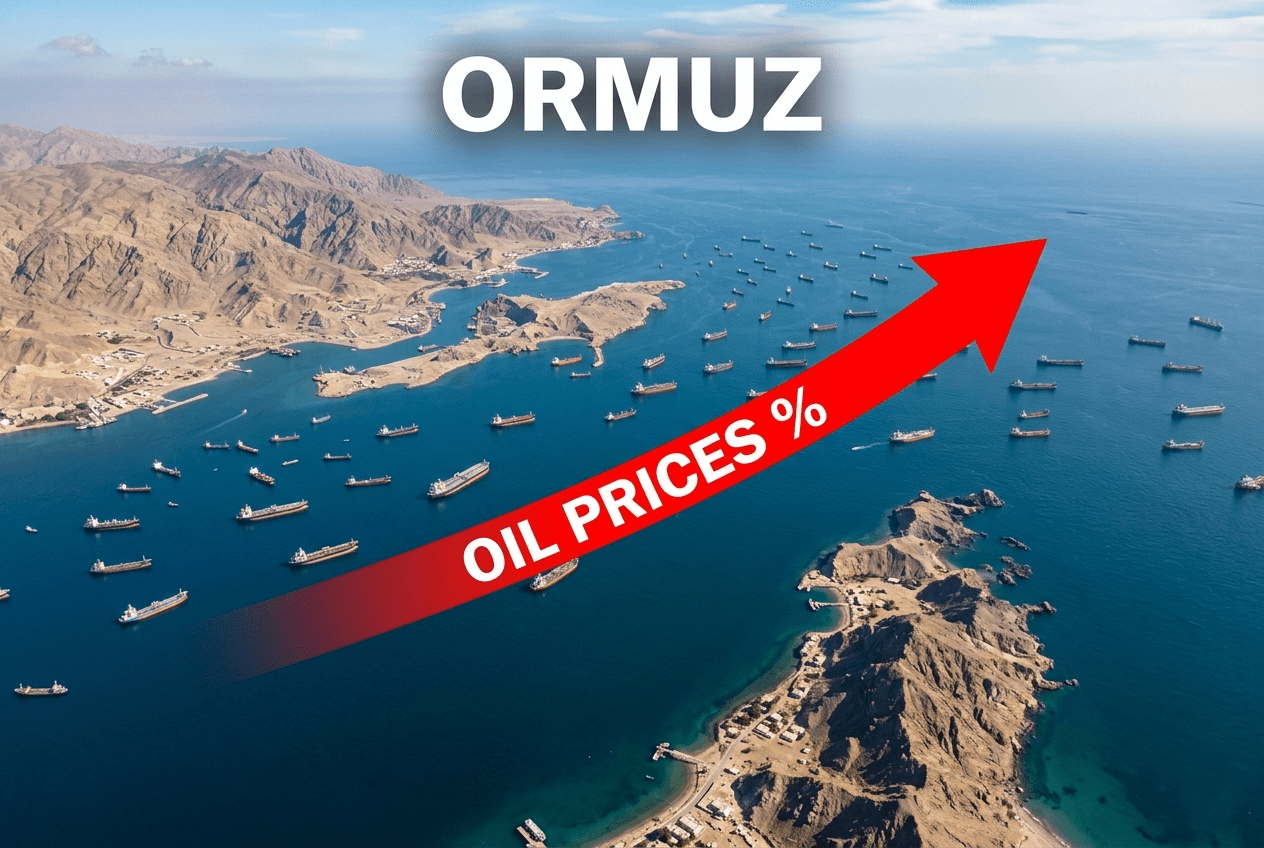
O conflito iniciado com os ataques de Israel e dos EUA ao Irã em 28/02/2026 já dura mais de um mês. A trégua declarada em 7/04 oferece uma oportunidade para negociações diplomáticas, mas o sucesso dessas negociações é duvidoso. O papel do Estreito de Ormuz na guerra vem recebendo uma atenção crescente na medida em que o controle iraniano do estreito tem implicações significativas para o mercado de energia e de outros produtos estratégicos. O fato dos EUA não terem considerado adequadamente essas implicações no contexto do seu planejamento militar causa espanto, dada a história da região e outros precedentes históricos. O controle do estreito de Ormuz permanecerá como um tema crítico para o sucesso das negociações entre os países envolvidos no conflito.

“Estrangulamentos” podem oferecer vantagens estratégicas no contexto geográfico ou como formas de pressão financeira ou através do controle de insumos críticos para a economia global. Experiências passadas incluem o desastre britânico no ataque à península de Galipoli na tentativa de controlar o Estreito dos Dardanelos, durante a Primeira Guerra Mundial, e o caso recente do impacto das sanções impostas pelos EUA e seus aliados contra a Rússia em fevereiro de 2022. Com a imposição de um teto (US$60 por barril) ao valor do petróleo exportado pela Rússia, as autoridades turcas reagiram interrompendo o trânsito pelo Estreito de Bósforo de navios transportando petróleo russo, exigindo a comprovação de que o limite de preço estava sendo respeitado. Por volta de dezembro de 2022, o trânsito pelo Bósforo ainda era impactado e as autoridades turcas exigiam comprovantes de que os seguros das embarcações permaneciam válidos, refletindo o respeito às sanções ocidentais.

O Estreito de Ormuz, por sua vez, ilustra o impacto do controle de um dos pontos de estrangulamento mais relevantes da atualidade. Desde o início do conflito, o Irã vem controlando o tráfico de navios pelo estreito, afetando cerca de 20 por cento dos fluxos globais de petróleo e 25 por cento dos fluxos de gás natural liquefeito. Antes da guerra, cerca de 135 embarcações transitavam diariamente pelo estreito, mas nas últimas semanas o tráfico se reduziu a menos de 10 navios por dia. No momento existem estimativas que o “estrangulamento” afeta cerca de 800 navios no Golfo Pérsico. As implicações para o preço de energia têm sido significativas, refletindo uma diminuição de 8 a 13 milhões de barris/dia na oferta global de petróleo.

Como discuti anteriormente (https://capabrasil.com.br/baratas-bolhas-e-as-guerras-por-carlos-primo-braga/), os impactos econômicos desse bloqueio variam em termos regionais. No caso dos países asiáticos, eles são significativos já que em condições normais cerca de 80 por cento do petróleo que sai do Golfo Pérsico tem como destino a Ásia.

Existe uma diferença entre o valor em termos financeiros do petróleo (paper value) e o seu valor físico. Em condições normais de operação de mercados, esses preços se mantêm próximos em virtude de práticas de arbitragem. O paper value do barril de petróleo reflete o valor futuro mais próximo de contratos para entrega (por exemplo, nesse momento o preço para entrega no mês de maio). Esses contratos são negociados na Intercontinental Exchange em Londres no caso do barril de Brent (originário do Mar do Norte) e na New York Mercantile Exchange (NYMEX) no caso do barril de WTI (West Texas Intermediate), um tipo de petróleo produzido nos EUA. Esses mercados são caracterizados por um alto nível de liquidez e os preços gerados por essas transações financeiras servem de referência para os preços de energia. Um detalhe importante, porém, é que mais de 90 por cento desses contratos não geram entregas físicas de petróleo.

Já o valor físico do barril de petróleo se baseia no petróleo embarcado em navios tanques, com ajustes por qualidade e por custos de transporte. Uma referência é o preço do Dubai Physical Crude. Ao final de março, o valor físico do petróleo se encontrava cerca de US$ 40 acima do valor do preço futuro do Brent. Essa distorção reflete a hipótese dominante em mercados financeiros de que o conflito não terá uma duração prolongada em contraste com a realidade de uma disrupção significativa no mercado físico para entrega de barris de petróleo.

Uma nova escalada do conflito, caso as negociações diplomáticas não tenham sucesso, e as suas implicações para a infraestrutura do Irã e dos países do Golfo Pérsico irão determinar a evolução futura dos preços de energia. É também importante reconhecer que além dos preços de energia, o conflito está tendo impactos significativos com respeito à oferta de outros produtos estratégicos (por exemplo, fertilizantes e gás hélio) e nos preços de seguros e de frete.

A distância entre os objetivos dos EUA e aqueles considerados pelo Irã (essencialmente a sobrevivência do regime) não permite otimismo quanto ao sucesso das negociações diplomáticas. É bem verdade que os objetivos dos EUA foram modificados ao longo das últimas semanas. Mudança de regime, por exemplo, passou a ser identificada como a eliminação das lideranças políticas e militares do Irã. Em termos básicos, os objetivos que foram apresentados pelo Secretário Pete Hegseth como tendo sido plenamente alcançados em 8/04, incluíam: a destruição da marinha iraniana e da capacidade do Irã de lançar mísseis e drones, bem como a interrupção do apoio militar e financeiro a grupos terroristas como o Hezbollah. Além disso, os EUA consideram como objetivos essenciais a regularização do tráfico marítimo pelo estreito de Ormuz e as limitações ao programa nuclear do Irã.

O Irã, no entanto, continua a desafiar várias dessas prioridades. O controle do Estreito de Ormuz, por exemplo, será uma variável chave para um acordo de longo-prazo. E na medida em que o Irã reconhece que esse é o seu principal trunfo estratégico, o retorno a um cenário de navegação livre como prevalecia antes da guerra é pouco provável. Além disso, a continuidade das ações israelenses contra o Hezbollah no Líbano é interpretada como uma violação da trégua pelo Irã. Em síntese, as chances de sucesso das negociações programadas para Islamabad (Paquistão) não são elevadas.

As externalidades macroeconômicas do conflito não serão triviais. Um cenário de estagflação pode caracterizar a economia global em 2026. As implicações para o papel do dólar na economia global também merecem atenção. O primeiro choque do petróleo em 1973 gerou incentivos para um acordo informal entre os países da OPEP e os EUA. Os exportadores de petróleo adotaram o dólar como a moeda de referência para o comércio de energia. Os países importadores pagavam pelo petróleo em dólares e os países árabes (particularmente a Arábia Saudita e os Emirados Árabes Unidos) aplicavam essas receitas em títulos da dívida dos EUA. Esse mecanismo funcionou ao longo de décadas, subsidiando os custos de financiamento da dívida pública dos EUA e contribuindo para a manutenção do dólar como moeda de reserva global.

A crise financeira global e a trajetória do déficit público nos EUA vêm impactando a credibilidade do dólar. A guerra com o Irã adicionou tensões no mercado financeiro (nas últimas semanas, bancos centrais diminuíram as suas posições em títulos dos EUA) e, na medida em que os países do Golfo Pérsico têm as suas exportações impactadas, os investimentos financeiros externos da região diminuem.

É bem verdade que não existem alternativas no curto prazo em termos de liquidez e segurança oferecidas pelo mercado de títulos dos EUA. Mas o papel do dólar como “porto-seguro” vem sendo afetado. Além disso, opções como a expansão do “petroyuan” (o pagamento da China pelo petróleo iraniano em yuans) começam a atrair uma atenção crescente.

O papel do Estreito de Ormuz no conflito e a transformação econômica e militar dos EUA no contexto da administração Trump sugerem que o atual choque de oferta poderá ter implicações de longo prazo para a economia mundial. Infelizmente, a observação de que “desta vez é diferente” pode ser válida.

P.S.: Na manhã desse domingo (12/04), o Vice-Presidente JD Vance anunciou que as negociações em Islamabad haviam falhado em produzir um acordo de paz. Isso não chega a ser uma surpresa. Mas os mercados financeiros, e a administração Trump, têm um encontro marcado com a realidade nas próximas semanas.

Carlos Primo Braga é Ph.D. em Economia pela Universidade de Illinois Urbana-Champaign, Professor Associado da Fundação Dom Cabral. Foi Diretor de Política Econômica e Dívida do Banco Mundial. Autor.

Putin is done: aggression is crumbling. Ukraine wins!

 It Started With A BRUTAL Breach... Now UA Paratroopers Just ERASED 3,011 Russians on One Front


Everything will be over by the spring of 2026. The Kremlin's entire strategy was based on this bold claim.

However, these words amounted to nothing more than Vladimir Putin's hope, which ended in disappointment.

The plan relied on immense power. A domino effect starting with the fall of Pakovsk would sweep through Sloviansk and throw the gates of Donetsk wide open to the Russian army.

But the Kremlin hit an unexpected wall. Moscow's supposedly invincible motorized divisions and elite Spettznaz units were halted by a single Ukrainian corps.

The force standing against them was the Ukrainian airborne forces. And these units made their name known once again through the most devastating operations of March 2026.

These operations, which in just one month took 3,11 Russian soldiers out of action, liberated nine settlements and completely disrupted Russia's entire spring offensive plans, were one of the most effective defense counterattack combinations in modern military history.

The most shocking moment of this unique resistance, however, lies hidden in that deadly drone trap we'll delve into shortly.

But before reaching that moment, we must see how this destruction was woven step by step.

All of this chain reaction of destruction lies within the chaotic details of the past 5 days.

On the morning of March 31st, 2026, a thick layer of fog had settled over the northwestern approaches to Hersini.

Russian forces saw this fog as an opportunity. Units attached to the fifth motorized rifle brigade began advancing covertly under the cover of the fog.

They were accompanied by drone operators from the 57th Spettznaz battalion. This was not a routine reconnaissance mission, but a full-scale infiltration operation.

Their objective was to penetrate Ukrainian positions undetected and reached the center of Hersia. From there, they would seize control of the road leading to Picrok and collapse the entire Daetsk defense line from within.

However, they had one problem. The seventh rapid reaction corps had already spotted them. Ukrainian paratroopers drones were piercing through the fog.

Thermal sensors were projecting every movement of the Russian units advancing under the fog onto the screens.

The position of each group was marked. Their advanced speeds were calculated. The moment of attack was planned down to the minute.

And just as the Russians were at their most vulnerable in open terrain, fire rained down.

Artillery and FPV drones engaged simultaneously. A company commander was eliminated in this attack. This single casualty triggered a domino effect.

The chain of command broke down, leaving the remaining Russian soldiers unable to receive orders.

Discipline completely collapsed in the units, which had already been suffering from food and water shortages for days.

The soldiers were left unsure of what to do. Some tried to press forward. The drones hunted them down.

Others attempted to retreat. Artillery fire cut off their paths. Not a single Russian soldier managed to enter the center of Hersa.

According to the Ukrainian general staff, a total of 29 Russian attacks in the direction of Pukovsk were repelled that day.

Russian offensives collapsed in every sector from Tetska to Mirnharad and from Rodinska to Adachna.

Let's go back a day. The picture was no different. On March 30th, the Russians were trying the same tactic, a motorized assault under a screen of fog and smoke.

Infantry groups supported by ATVs, motorcycles, and light vehicles were attempting to bypass Rashinia. The core stopped them as well.

With drone and artillery coordination, the Russian advance was once again halted. Footage from the front showed burning Russian vehicles scattered across open terrain.

March 28th was even more dangerous. This time, the Russians tried something different. They attacked from both flanks simultaneously using the small pinser tactic.

Simultaneous assaults were launched from both the Hasha and Rodinska directions. Poor weather conditions were making it difficult for Ukraine to conduct drone reconnaissance.

The Russians were looking for an opportunity amid this chaos. But Ukrainian paratroopers adapted. They switched to detecting the enemy using thermal imaging and acoustic sensors.

Street battles ensued. A Russian infiltration attempt from the eastern flank was blocked. Russian troops were unable to make any significant advances.

The positions remained in Ukrainian hands once again. Looking at March 27th, a broader picture emerges.

On that day, the core was not merely defending. It was systematically cutting off the T0515 highway, the main logistics route for Russian forces with drone strikes.

Russian reserve forces could not reach the front lines. Ammo convoys were being targeted and reinforcements were being destroyed on route.

For an army to fight on the front lines, its logistics supply line behind it must function.

Ukrainian paratroopers cut that line, and the Russians found themselves unable to both fight at the front and sustain themselves.

The same outcome persisted for 5 days. Ukrainian paratroopers halted every attack, thwarted every infiltration attempt, and turned Russia's Picrok fantasy into a nightmare.

But this 5-day picture is merely the final act of March. The true devastation becomes clear when looking at the entire month.

Between March 1st and March 31st, the toll of the Ukrainian airborne forces reached staggering figures.

3,11 Russian soldiers were taken out of action. But the losses were not limited to personnel.

6,989 unmanned aerial vehicles and 66 artillery systems were destroyed. Three tanks, six armored vehicles, 170 motorcycles and ATVs were reduced to scrap.

These achievements belong to a single core, and this core is holding one of Daetsk's most critical defense lines.

Take a moment to consider what this casualty rate means. On average, 100 Russian soldiers were taken out of action every day just by this unit alone.

Russia's total losses in the entire Afghanistan war were approximately 15,000 people. This core on its own inflicted 1/5if of those losses on Russia in a single month.

At this point, it is necessary to understand what the Ukrainian airborne forces are. These units are the elite elements of the Ukrainian army.

The 7th Rapid Reaction Corps is the heart of this structure. It includes units such as the 81st, 82nd, and 95th Brigades as well as the 132nd Reconnaissance Battalion.

This core is not a conventional defensive unit. It defends but immediately transitions to a counterattack.

And then small assault groups break through Russian positions to establish a bridge head. Russia's chief offensive doctrine melted away on the front lines of these units.

And now let's look at how a brigade attached to this core stopped the largest Russian mechanized offensive of 2026.

(NOTE: This is just the beginning! The full story and its incredible ending are waiting for you at the link in the comments below.)

👉 Tap "View all comments" to find the link and finish the journey. Wishing you a wonderful day filled with luck—stay true to your amazing, authentic self!!


A realidade do mal: o julgamento de Adolf Eichmann em 1961, em Jersualém, tese de Hannah Arendt - Zevi Ghivelder (O Globo)

Dica de leitura: Impressionante reportagem de Zevi Ghivelder sobre o julgamento de Eichmann há 65 anos

Artigo:
A realidade do mal
Único jornalista brasileiro a cobrir o julgamento de Adolf Eichmann, há 65 anos, relembra postura do nazista no tribunal em Jerusalém e contesta tese de Hannah Arendt de que um dos responsáveis pelo holocausto encarnou a ‘banalidade do mal’
Por Zevi Ghivelder
O Globo, 12/04/2026

O criminoso de guerra Adolf Eichmann. Nazista foi capturado pelo Mossad em 1961 e levado a julgamento em Jerusalém — Foto: AFP/11-4-1961

        Na data de 11 de abril, 65 anos atrás completados ontem, um generoso sol de primavera iluminava os tons dourados da cidade de Jerusalém. Naquele dia, às nove horas da manhã, haveria ali um evento histórico: o início do julgamento do criminoso de guerra Adolf Eichmann, um dos principais responsáveis pela execução da chamada Solução Final, o extermínio dos judeus na Europa ocupada pela Alemanha nazista.
        Para quem não sabe, ou não se lembra, Eichmann vivia com identidade falsa em Buenos Aires, onde se havia refugiado depois da guerra. Foi capturado em maio de 1960 pelo serviço secreto de Israel e levado para julgamento em Jerusalém.
        O austero auditório de um centro cultural da cidade foi transformado em tribunal, no qual durante seis semanas ocupei o assento número 18, na fila H, designado para a cobertura do julgamento pela revista semanal Manchete. Eu era o único brasileiro, ao lado de umas duas centenas de correspondentes internacionais.         Meu lugar ficava a pouca distância de uma jaula feita com vidros à prova de bala, o banco dos réus. Ao fundo, uma portinhola foi aberta no horário exato para dar passagem ao acusado.

Atento e alheio
        Adolf Eichmann entrou em sua jaula com o olhar fixo em algum ponto distante. Não chegou a se sentar porque todos os presentes, na plateia e no balcão lotados, se levantaram à entrada dos três juízes israelenses que o julgariam. Quando Eichmann ficou de pé, percebi que seu terno azul-marinho e a camisa branca pareciam ser de um número acima do seu tamanho. Não aparentava inquietação, mas não conseguia controlar a mão direita com um leve tremor, pouco perceptível, porém resistente.                 Conservou uma postura firme e ereta naquele momento, que decerto era o mais crucial de sua existência. Seria lugar-comum apontá-lo, naquela circunstância, como um homem frio e intrinsecamente perverso. Era surpreendente sua reação: parecia estar ao mesmo tempo tão atento como alheio àquele acontecimento em que era o foco central. Foi como um autômato que se sentou em frente a uma estreita mesa sobre a qual depositou uma pilha de papéis, que viria a consultar com frequência e sobre os quais fez anotações no decorrer do processo. Em seguida, ajeitou os óculos, colocou fones nos ouvidos para tradução simultânea e fixou o olhar na direção de seu advogado.
        Durante todo tempo observei que, se ele não fosse quem era, poderia ser tomado por um réu de colarinho branco ou um diligente funcionário de repartição municipal, examinando relatórios e anotando pareceres. Ele só demonstrou algum desconforto durante os impressionantes depoimentos de testemunhas do Holocausto. Os relatos dos sobreviventes eram inimagináveis. Enquanto os horrores e as atrocidades nazistas eram descritos, ele torcia o nariz para um lado ou para o outro.
        Somente uma vez o vi tirar um lenço do bolso e passá-lo sobre o rosto.
        O libelo do promotor israelense Hausner começou com um gesto teatral e impactante: ele apontou o braço para a jaula de vidro e exclamou: “Aqui estão ao meu lado seis milhões de inocentes assassinados.”
        O advogado alemão de Eichmann levantou uma objeção que parecia pertinente. Como seu cliente tinha sido sequestrado, e sendo o sequestro um ato ilegal, o julgamento deveria ser anulado. A promotoria estava preparada para essa argumentação. Hausner desfilou uma série de julgamentos em diferentes épocas e localidades, nos quais os réus tinham sido sequestrados e seus procedimentos penais haviam sido validados.
        A defesa tinha outra objeção: era inadmissível Eichmann ser julgado em Israel, onde ele não havia cometido nenhum crime e, portanto, a jurisdição era ilegal.
        O promotor rebateu: Eichmann era responsável por atos criminosos na Alemanha, na Polônia e na Hungria. Qual a jurisdição pertinente? Se fosse a Alemanha, o centro do nazismo, qual Alemanha, a Ocidental ou a Oriental?
        Como não havia uma jurisdição precisa para o réu, arguiu que esta deveria ser a da vítima. Quem era a vítima? O povo judeu. Quem representava o povo judeu? O Estado de Israel. Foi a tese que prevaleceu e, ao cabo do julgamento, Eichmann foi condenado à morte, consumada em julho do ano seguinte.
        As pessoas invariavelmente me perguntam se conheci em Jerusalém a pensadora judia-alemã Hannah Arendt, que cobriu o julgamento para a revista The New Yorker. Na verdade, àquela altura, eu não estava familiarizado com sua obra, nem com sua fisionomia. Mas conheci o pensamento de Arendt quando, um ano mais tarde, li seu livro “Eichmann em Jerusalém”, no qual elaborou uma tese que até hoje viraliza: Adolf Eichmann era a síntese da “banalidade do mal”. Com tal afirmação, expôs que Eichmann, assim como centenas ou milhares de seus similares, tinha sido tão somente um fiel cumpridor de suas obrigações como oficial nazista, não podendo ser diretamente responsabilizado pelos atos malignos que eventualmente tenha cometido. O mal se configurava como uma banalidade interposta em sua trajetória de obediência aos propósitos do Terceiro Reich.
        Hannah Arendt incorreu na negligência de omitir que Eichmann fora designado para chefiar a seção judaica do partido nazista em 1937. Além disso, naquele ano foi enviado para a Palestina para avaliar se os judeus alemães poderiam ser deportados em massa para o território sob administração britânica.
        Também não registrou que coube a Eichmann redigir a ata da Conferência de Wansee, em 1942, na qual foi definida a logística da Solução Final, que ele mesmo implementaria.
        Em seu livro, Hannah Arendt escreve que a Solução Final só pôde ser executada porque contou com a colaboração do establishment judaico. É uma afirmação insidiosa baseada em seu repúdio ideológico a qualquer establishment. Ela classifica como establishment os comitês judaicos que foram formados em guetos com a finalidade de dialogar com os alemães e na medida do possível retardar as deportações para os campos de extermínio. Os próprios membros desses comitês também foram executados.
        A tese da banalidade do mal, que a rigor deve dar lugar à tese da realidade do mal, acabou sendo demolida há dois anos, por conta da descoberta da gravação de uma entrevista que Eichmann concedeu a um jornalista holandês, em Buenos Aires, antes de seu sequestro. A certa altura, ele diz: “Apontam seis milhões de judeus mortos. Acho que poderíamos ter chegado a dez.”

‘Un momentito, señor’
Poucos anos depois do julgamento, fiz grande amizade com Zvi Malkin, conhecido como Zvika, o agente do Mossad que foi incumbido de interceptar Adolf Eichmann na Rua Garibaldi, localizada num subúrbio de Buenos Aires. Zvika me contou muitos pormenores da captura de Eichmann, que nunca foram divulgados. O maior cuidado da equipe de agentes israelenses era se certificar se aquele homem que vinham monitorando à distância era realmente o coronel nazista. Depois, coube a Zvika aprender a dizer em espanhol: “Un momentito, señor.”
        O criminoso nazista desceu de um ônibus e seguiu caminhando, quando foi abordado por Zvika, que lhe disse a frase decorada e deu mais um passo para capturar Eichmann. No entanto, foi ele quem segurou Zvika, e os dois caíram numa vala aberta junto à rua sem calçamento. Outro agente veio em socorro, e conseguiram arremeter Eichmann abaixo do banco traseiro de um automóvel.
        O carro partiu em velocidade e, minutos depois, já com o rosto encapuzado, ele murmurou: “Já sei que vocês são de Israel.”
        Zvika foi o primeiro a se comunicar com Eichmann, que lhe falou sobre a viagem à Palestina. Relatou ter admirado as conquistas dos judeus na agricultura, a modernidade que começava a chegar a Tel Aviv e até aprendeu o verso inicial do “Shemah”, a mais tradicional oração judaica, que recitou em hebraico. Zvika me revelou que quando ouviu aquele texto sagrado dito por Eichmann, soube se conter para não agredi-lo.
        Em outra ocasião, Zvika lhe falou que sua irmã e dois sobrinhos tinham sido mortos numa câmara de gás. Adolf Eichmann respondeu: “Sinto muito. Mas eles eram judeus, não eram?”
        O julgamento de Adolf Eichmann deixou o importante legado de estimular pesquisas e estudos sobre o Holocausto, que hoje se contam aos milhares.
        Além disso, reafirmou um princípio transcendental: cumprir ordens não exime de culpa.


O Livro do Nordeste II - André Heráclio do Rego e Mucio Aguiar; capítulo de Paulo Roberto de Almeida


Livro do Nordeste II

Participei, em 2025, com um capítulo no Livro do Nordeste II, uma homenagem aos 200 anos de vida do mais antigo jornal do Brasil e da América Latina, o Diário de Pernambuco, fundado em 1825, um ano e meio depois da revolução de 1824.

Um primeiro Livro do Nordeste, em 1925, aos cem anos do Diário, tinha um artigo de Oliveira Lima, discorrendo sobre as relações internacionais do Brasil de 1825 a 1925. Tive a honra de ser convidado pelo meu colega historiador, diplomata e editor, André Heráclio do Rêgo, a fazer o mesmo que Oliveira Lima, escrevendo sobre as relações internacionais do Brasil de 1925 a 2025, conforme este registro:

1615. “Um século de relações internacionais do Brasil, 1925-2025”, in: André Heráclio do Rego e Mucio Aguiar (orgs.), Livro do Nordeste II (Recife, PE: Associação da Imprensa de Pernambuco, 2025, p. 141-157; ISBN: 978-85-5726-003-0).
Disponível na plataforma acadêmica Academia.edu (link: https://www.academia.edu/164473055/4840_Um_seculo_de_relacoes_internacionais_do_Brasil_1925_2025 ) e no blog Diplomatizzando (link: https://diplomatizzando.blogspot.com/2026/02/um-seculo-de-relacoes-internacionais-do_7.html ). Relação de Originais n. 4840.

Livro do Nordeste II

organização André Heráclio do Rêgo , Múcio Aguiar.

1. ed. -- Recife, PE: AIP, 2025; ISBN 978-85-5726-003-0

O indice é o seguinte:

INTRODUÇÃO, 9
O CENTENÁRIO DE UM DIÁRIO AMERICANO, 21
DIARIO DE PERNAMBUCO: UM JORNAL COMO ESPAÇO DE LIBERDADE, 27
O DIARIO DE PERNAMBUCO: UM LEGADO E SUA RELEVÂNCIA HISTÓRICA, 33
UM SÉCULO DE JORNALISMO EM PERNAMBUCO, 41
UM SÉCULO DE VIDA LITERÁRIA EM PERNAMBUCO, 53
O SUPLEMENTO LITERÁRIO DO DIARIO DE PERNAMBUCO, 63
MEMÓRIAS DE MÃOS GIGANTES, 73
GILBERTO FREYRE E O DIARIO DE PERNAMBUCO, 87
GILBERTO FREYRE, O RECIFE E OLINDA NAS PÁGINAS DO DIARIO DE PERNAMBUCO, 107
DOIS PERSONAGENS DA CULTURA BRASILEIRA:
GILBERTO FREYRE E ARIANO SUASSUNA, 123
O VIGOR DAS CONVICÇÕES: BARBOSA LIMA SOBRINHO, UM NACIONALISTA, 131
CEM ANOS DE RELAÇÕES INTERNACIONAIS DO BRASIL, 1925-2025, 141
MEMÓRIA DO MUNDO, 159
O NORDESTE DE DOM PEDRO II, 171
1925–2025: UM SÉCULO DE POLÍTICA NO NORDESTE, 187
OS “SANTOS” DO NORDESTE NAS PÁGINAS DO DIARIO DE PERNAMBUCO, 209
SECAS E DESERTIFICAÇÃO, 221
SABORES DO NORDESTE, 237
OS NOVOS MASCATES, 259
COMPLEXO INDUSTRIAL PORTUÁRIO DE SUAPE: O HUB LOGÍSTICO NO NORDESTE BRASILEIRO, 271


Postagem em destaque

Política Internacional Contemporânea: Debates Introdutórios - Verônica Moreira dos Santos Pires prg.)

Política Internacional Contemporânea: Debates Introdutórios Verônica Moreira dos Santos Pires  e r al. (Orgs.) Appris, 2026 O livro Política...