Um excelente relatório analítico de conjuntura, e também de exame das crises financeiras em perspectiva global, comparada e histórica, por parte de economistas do Deutsche Bank.
Agradeço ao meu amigo André Eiras ter me chamado a atenção para este relatório.
Paulo Roberto de Almeida
Deutsche Bank Markets Research
Global Economics
Date: 15 May 2013
Global Economic Perspectives: Financial Crises: Past and Present
Responsáveis:
Peter Hooper, Chief Economist
Michael Spencer, Chief Economist
Torsten Slok, Chief Economist
Thomas Mayer, Advisor
Sumário:
Financial crises seem to be as old as fractional reserve banking. They are different from pure asset price bubbles in that credit plays a major role. The costs of a financial crisis appear in two forms: (1) directly, in the form of costs for the government to fund the recapitalization or resolution of banks; and (2) indirectly, in the form of output losses.
„ The history of financial crises is long and not all events may have been properly recorded. However, reviews in the economic literature point to the credit cycle as the underlying cause of financial crises since the Middle Ages. Recent estimates of the costs of financial crises point to large output losses associated with these crises, reinforcing the view that policies should be directed towards avoiding credit booms and busts. The empirical evidence suggests that while output losses are larger in advanced economies, the direct fiscal costs of banking crises are lower than in
emerging economies.
„ Apart from Basle 3, the official response to the latest financial crises is reflected in the various plans advanced by Paul Volcker in the US, John Vickers in the UK, and Erki Liikanen in the euro area. All these plans have in common that they seek to separate the "risky" parts of the banking business from its "safe" parts. Proprietary trading (in fact, all trading) and investment banking activities are seen as "risky", while credit extension and deposit taking--the so-called traditional banking activities--are presumed to be relatively safe. However, as it should be clear from our historical review of financial crises, this is a grave error. The (admittedly porous) dividing line between more or less risky banking activities does not run vertically through financial institutions, separating capital markets related (presumably risky) from traditional (presumably safe) banking activities, but horizontally through banking activities according to the leverage employed in these activities.
Ler a íntegra neste link:
Mostrando postagens com marcador Torsten Slok. Mostrar todas as postagens
Mostrando postagens com marcador Torsten Slok. Mostrar todas as postagens
sábado, 18 de maio de 2013

Assinar:
Postagens (Atom)
Postagem em destaque
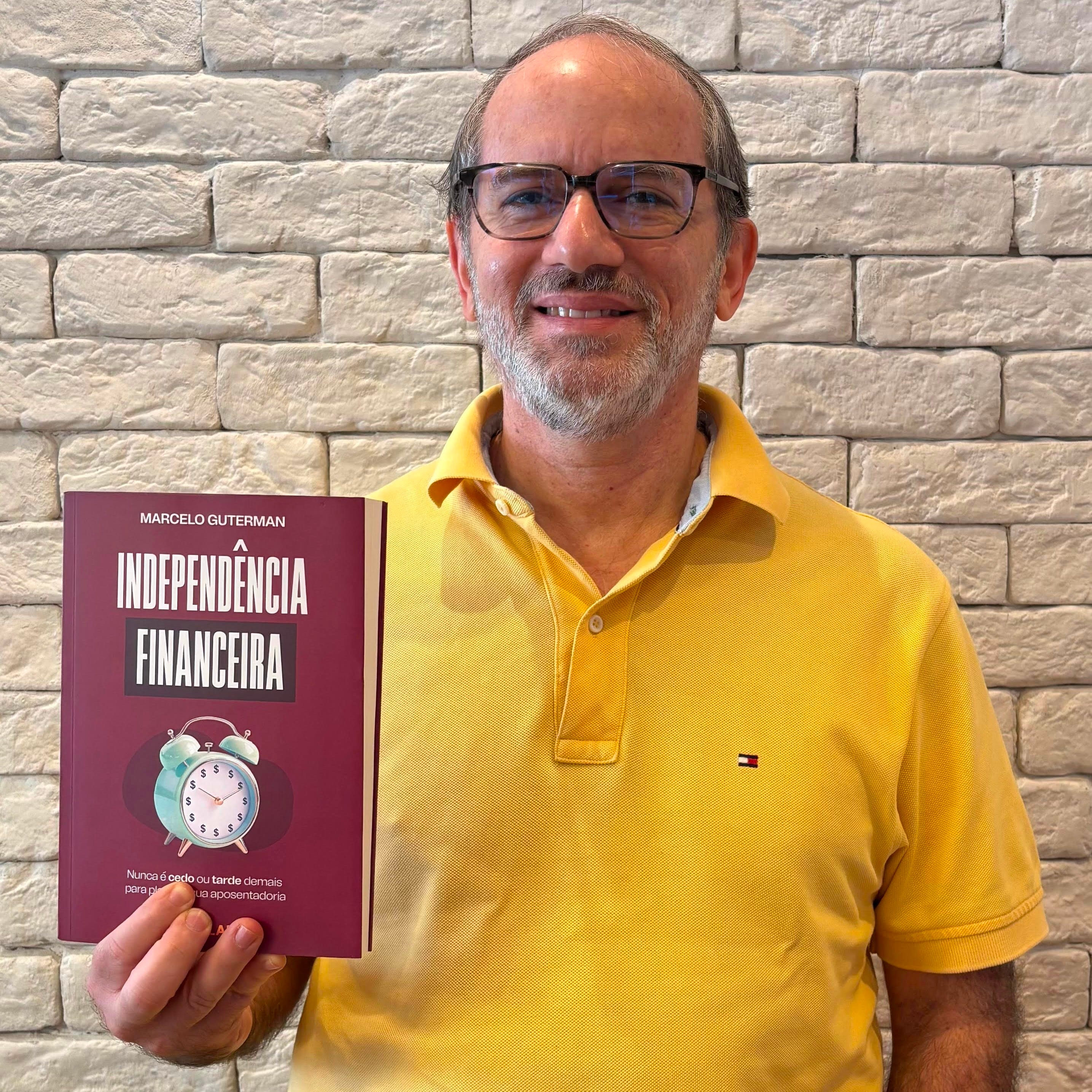
Fechar os Correios, a única solução - Marcelo Guterman
Fechar os Correios, a única solução MARCELO GUTERMAN AGO 30 LEIA NO APP E lá vamos nós outra vez. Os Correios publicaram o balanço do ...
-
Minha entrevista desta sexta-feira 25/02/2022, sobre a dramática situação da Ucrânia no canal +BrasilNews. 1437. “ Entrevista sobre a Ucrân...
-
FAQ do Candidato a Diplomata por Renato Domith Godinho TEMAS: Concurso do Instituto Rio Branco, Itamaraty, Carreira Diplomática, MRE, Diplom...
-
Carreira Diplomática: respondendo a um questionário Paulo Roberto de Almeida ( www.pralmeida.org ) Respostas a questões colocadas por gradua...
-
Um horror perpetrado por um Estado aliado da atual diplomacia lulopetista não é um horror: apenas casos a serem desprezados e ignorados. Cr...
-
Uma preparação de longo curso e uma vida nômade Paulo Roberto de Almeida A carreira diplomática tem atraído número crescente de jovens, em ...
-
Lula e Flavio Bolsonaro na TV Globo, quinta e sexta feira, 27 e 28/08/2026 === No primeiro debate eleitoral de 2026 entre os candidatos à ...
-
Nota preliminar ulterior (se isso não é contradição, não sei o que é): Coloquei aqui uma aparente matéria de -- digo aparente pois foi dessa...
-
Tá explicado! O texto é de 2009, e se refere a matéria ainda mais antiga, mas certas coisas moldam o caráter, não é mesmo? Paulo Roberto de ...
-
Aprimorar o parlamento O maior ganho sistêmico que o Brasil precisa INTELIGÊNCIA DEMOCRÁTICA AGO 15 LEIA NO APP Valdir Santos, Intelig...
-
 Autocracy Inc. de Anne Applebaum Inteligência Democrática , 4/08/2024 Reproduzimos abaixo, numa tradução automática do ChatGPT4, a intr...


