terça-feira, 4 de outubro de 2022

Ucranianos vencendo os russos em todas as frentes (Apple News, NYT)


Ukraine forces break through Russian defences in south, advance in east

and 

  • Ukraine making gains in two of four regions annexed by Russia
  • Retaking of strategic hub of Lyman improves access to the Donbas
  • Elon Musk proposal for ending war draws Ukrainian condemnation
  • Ukraine says it took 31 Russian tanks out of action in south

SVIATOHIRSK/KYIV, Oct 4 (Reuters) - Ukrainian forces have broken through Russian defencesin the south of the country while expanding their rapid offensive in the east, seizing back more territory in areas annexed by Russia and threatening its troops' supply lines.

Making their biggest breakthrough in the south since the war began, Ukrainian forces recaptured several villages in an advance along the strategic Dnipro River on Monday, Ukrainian officials and a Russian-installed leader in the area said.

Ukrainian forces in the south destroyed 31 Russian tanks and one multiple rocket launcher, the military's southern operational command said in a nightly update, without providing details of where the fighting occurred.

Reuters could not immediately verify the battlefield accounts.

The southern breakthrough mirrors recent Ukrainian advances in the east even as Russia has tried to raise the stakes by annexing land, ordering mobilisation, and threatening nuclear retaliation.

Ukraine has made significant advances in two of the four Russian-occupied regions Moscow last week annexed after what it called referendums - votes that were denounced by Kyiv and Western governments as illegal and coercive.

In a sign Ukraine is building momentum on the eastern front, Reuters saw columns of Ukrainian military vehicles heading on Monday to reinforce the rail hub of Lyman, retaken at the weekend, and a staging post to press into the Donbas region.

President Volodymyr Zelenskiy said Ukraine's army had seized back towns in a number of areas, without giving details.

"New population centres have been liberated in several regions. Heavy fighting is going on in several sectors of the front," Zelenskiy said in a video address.

Serhiy Gaidai, the governor of Luhansk - one of two regions that make up the Donbas - said Russian forces had taken over a psychiatric hospital in the town of Svatovo, a target en route to recapturing the major cities of Lysychansk and Sivierodonetsk.

"There is quite a network of underground rooms in the building and they have taken up defensive positions," he told Ukrainian television.

In the south, Ukrainian troops recaptured the town of Dudchany along the west bank of the Dnipro River, which bisects the country, Vladimir Saldo, the Russian-installed leader in occupied parts of Ukraine's Kherson province, told Russian state television.

"There are settlements that are occupied by Ukrainian forces," Saldo said.

Dudchany is about 30 km (20 miles) south of where the front stood before Monday's breakthrough, indicating the fastest advance of the war in the south. Russian forces there had been dug into heavily reinforced positions along a mainly static front line since the early weeks of the invasion.

While Ukraine has yet to give a full account of the developments, military and regional officials did release some details.

Soldiers from Ukraine's 128th Mountain Assault Brigade raised the blue and yellow national flag in Myrolyubivka, a village between the former front and the Dnipro, according to a video released by the defence ministry.

Serhiy Khlan, a Kherson regional council member, listed four other villages recaptured or where Ukrainian troops had been photographed.

"It means that our armed forces are moving powerfully along the banks of the Dnipro nearer to Beryslav," he said.

Russian missiles struck the northeastern city of Kharkiv killing a woman, its governor said on a messaging service, while Ukraine's General Staff said Russian reinforcements were arriving from Siberia and Syria.

Reuters was unable to verify the developments.

'ABILITY TO ATTACK'

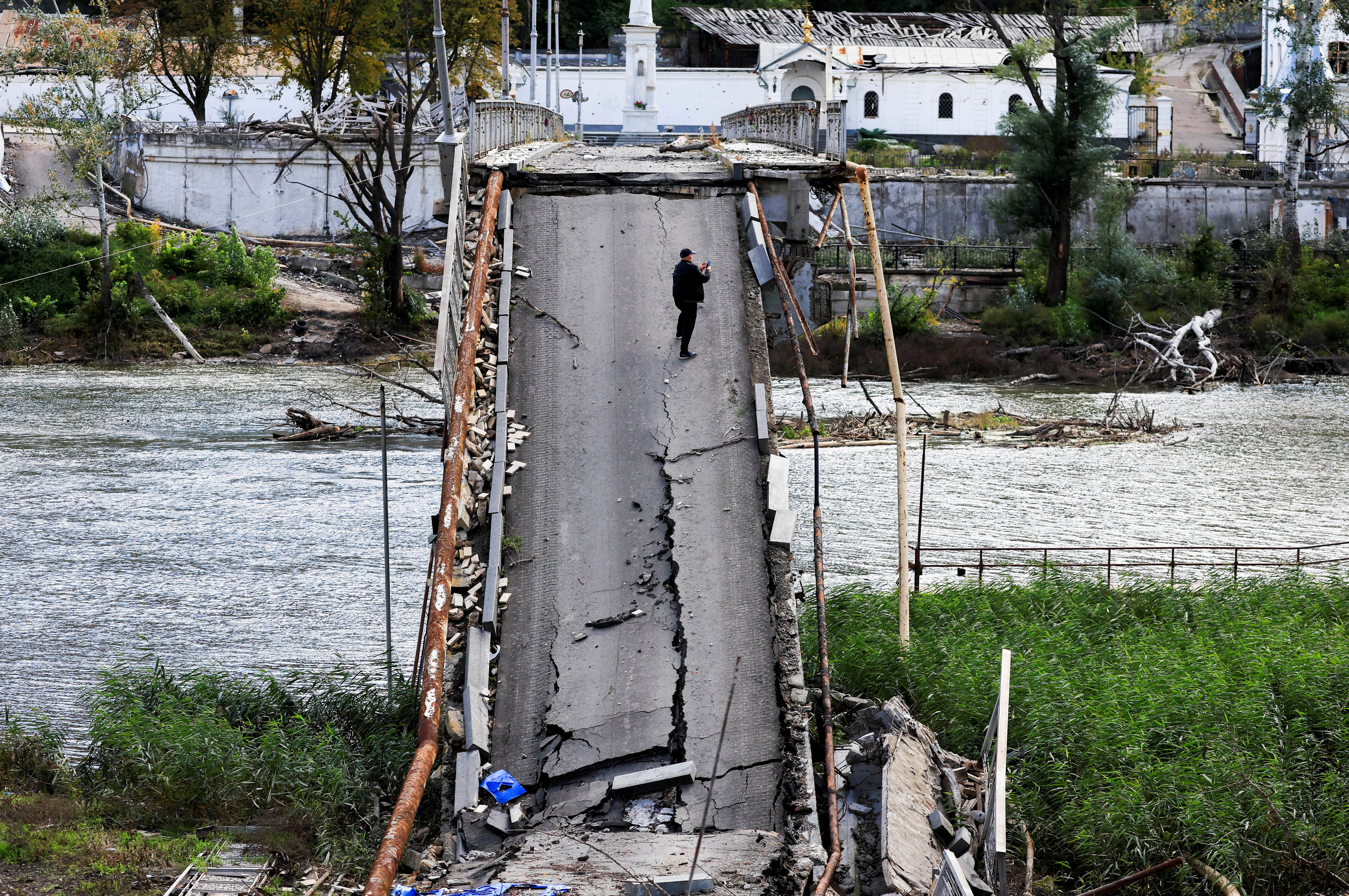
The southern advance is targeting supply lines for as many as 25,000 Russian troops on the Dnipro's west bank. Ukraine has already destroyed the river's main bridges, forcing Russian forces to use makeshift crossings.

A substantial advance down river could cut them off entirely.

"The fact we have broken through the front means that ... the Russian army has already lost the ability to attack, and today or tomorrow it could lose the ability to defend," said Oleh Zhdanov, a military analyst based in Kyiv.

Ukraine appears to be on course to achieve several of its battlefield objectives, giving it "a much better defensive position to ride out what probably will be a tamping down of the hot fighting over the winter", Celeste Wallander, a senior Pentagon official, said on Monday.

Just hours after a concert on Moscow's Red Square on Friday where Russian President Vladimir Putin proclaimed the provinces of Donetsk, Luhansk, Kherson and Zaporizhzhia to be Russian territory forever, Ukraine recaptured Lyman, the main Russian bastion in the north of Donetsk province.

Billionaire Elon Musk on Monday asked Twitter users to weigh in on a plan to end the war which included proposing U.N.-supervised elections in the four occupied regions and recognising Crimea, which Moscow seized in 2014, as Russian.

The plan drew immediate condemnation from Ukrainians, including Zelenskiy. read more 

Russia's flagging fortunes have led to a shift in mood on state media, where talkshow hosts have been acknowledging setbacks and searching for scapegoats.

"For a certain period of time, things won't be easy for us. We shouldn't be expecting good news right now," said Vladimir Solovyov, the most prominent presenter on state television.

The commander of Russia's western military district, which borders Ukraine, has lost his job, Russian media reported, the latest top official to be fired after defeats.

=============

The New York Times, Kyiv Oct. 4, 2:47 p.m.

Moscow Oct. 4, 2:47 p.m.

LIVE38 minutes ago

Russia-Ukraine WarZelensky Promises Fair Treatment of Ukrainians in Reclaimed Territory

Get alerts for live updates.

Zelensky promises a ‘clear and fair’ approach in reclaimed territory.

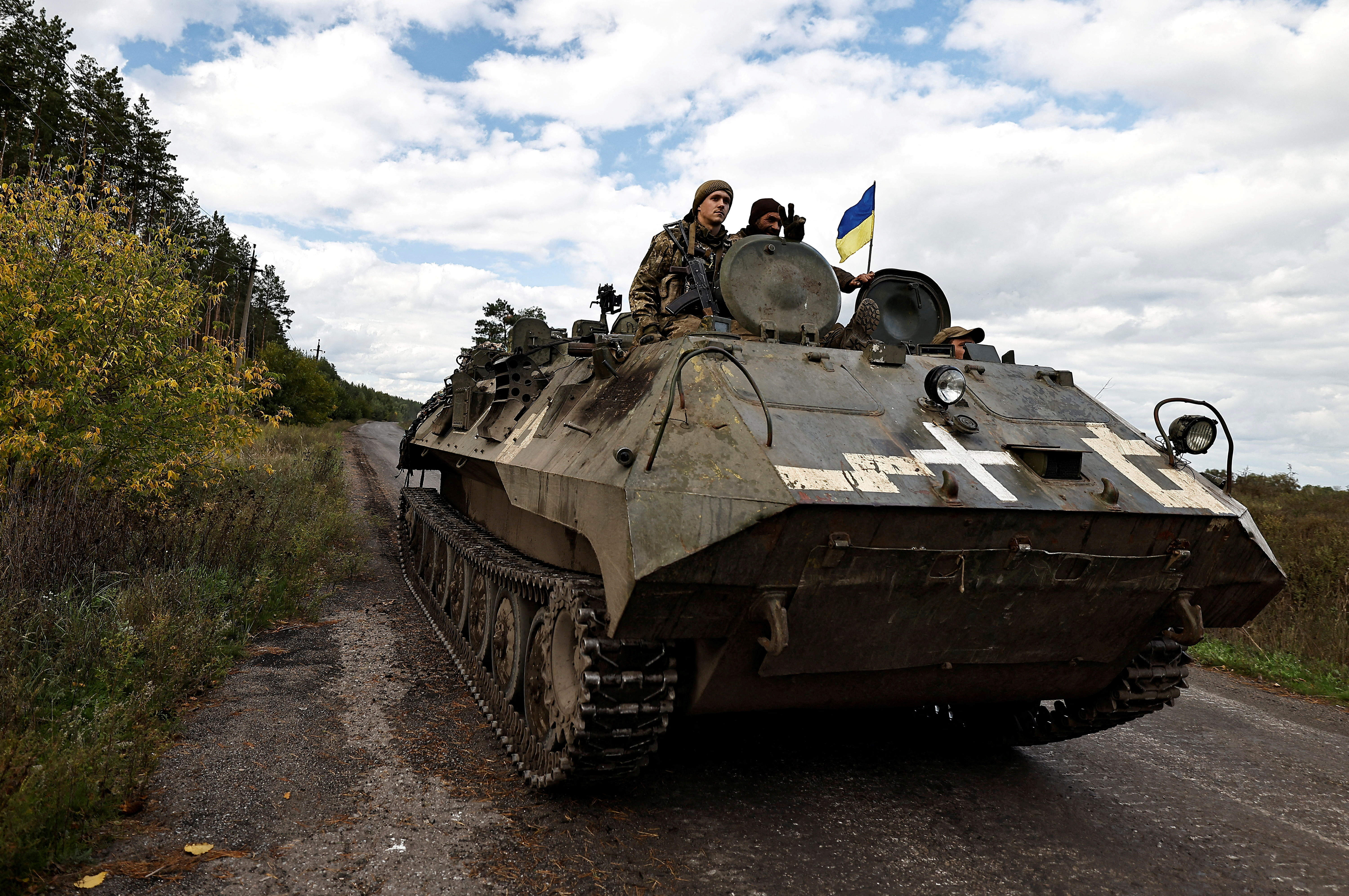
Image
Ukrainian soldiers driving near the village of Oskil in eastern Ukraine, during a media tour arranged by the Zelensky government on Monday.
Credit...Nicole Tung for The New York Times

President Volodymyr Zelensky of Ukraine is seeking to reassure Ukrainians living in territory the country has reclaimed that they would be treated fairly.

“Our approach has always been and remains clear and fair: If a person did not serve the occupiers and did not betray Ukraine, then there is no reason to consider such a person a collaborator,” Mr. Zelensky said Monday in his nightly speech.

The question of what constitutes collaboration is not always clear cut, with many activities intertwined with daily life.

Russia still partly controls four regions of Ukraine — Luhansk, Donetsk, Zaporizhzhia and Kherson — a territory larger than Portugal. Including areas that Russian forces and their proxies seized in 2014, Moscow controls about one-sixth of Ukrainian territory. Additionally, an untold number of Ukrainians have been forcibly deported to Russia.

“Hundreds of thousands of our people were in the temporarily occupied territory,” Mr. Zelensky said on Monday. “Many helped our military and special services. Many simply tried to survive and waited for the return of the Ukrainian flag.”

Mr. Zelensky assured them that his government was focused on getting their lives back to normal as soon as possible by restoring necessities like transportation and postal services.

“Life is returning,” he added. “It is returning wherever the occupiers were driven out.”

He also took the chance to capitalize on reports of anger in Russia over President Vladimir V. Putin’s conscription order. He said his military officers were confronting troops ill-prepared to wage war.

“We can already see those who were taken just a week or two ago,” Mr. Zelensky said. “People were not trained for combat; they have no experience to fight in such a war. But the Russian command just needs some people — any kind — to replace the dead.”

The military draft Mr. Putin ordered on Sept. 21 to bolster his battered forces has set off nationwide turmoil and protest, bringing the war home to many Russians who had felt untouched by it. Many men have been drafted who were supposed to be ineligible based on factors like age or disability.

On Monday, the governor of the Khabarovsk region in the far east said that half of the men called up there, numbering in the thousands, should not have been drafted and had been sent home and that the region’s military commissar had been dismissed.

Moscow still holds the advantage in firepower and has threatened the use of a nuclear weapon to defend what it now calls Russian territory, and it has demonstrated repeatedly that it can rain destruction on Ukraine.

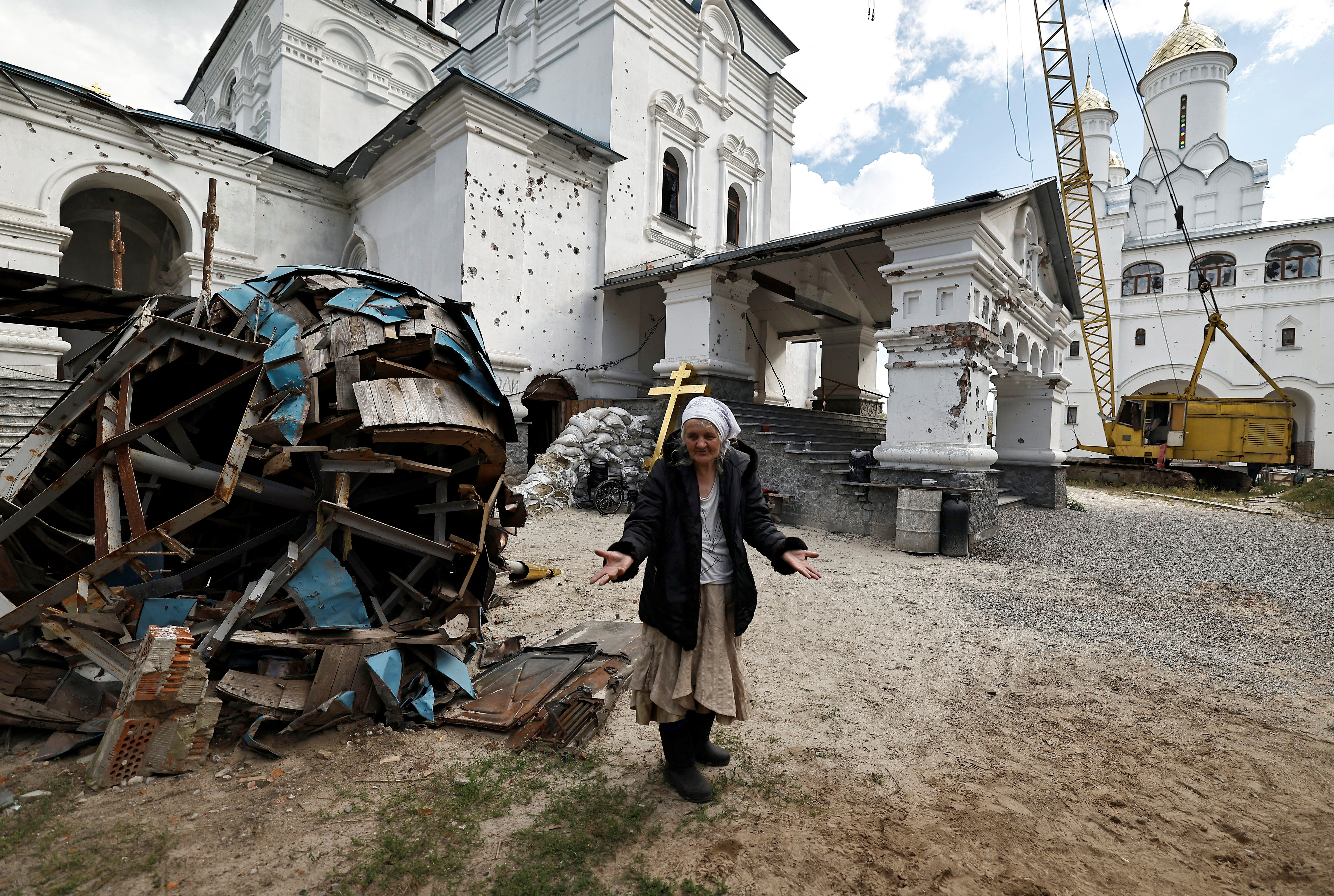
Scenes of death remain after Russia’s retreat.

Image
Cycling past a destroyed Russian tank in the recently liberated village of Pisky-Radkivski on Monday.
Credit...Ivor Prickett for The New York Times

PISKY-RADKIVSKI, Ukraine — The Russian soldier lay in the undergrowth, slammed against a tree. Still in full combat uniform with body armor and boots, he had been missed by the crews gathering the dead.

A week after Ukrainian troops seized back the village of Pisky-Radkivski, in the Kharkiv region, in a sweeping counteroffensive that forced Russian troops into retreat across northeastern Ukraine, the horror of war was all too evident.

“I cannot breathe in my house from the smell,” said Valentina Eliseeva, 73, a bent woman in slippers who pointed out where the soldier’s corpse lay. “The smell is so bad. When will they take it away?”

The successful counteroffensive in northeastern Ukraine has reclaimed vast areas of territory, including Lyman, a crucial railway hub about 25 miles south of Pisky-Radkivski in Donetsk — one of the four regions of Ukraine that President Vladimir V. Putin of Russia said last week his country was annexing and treating as its own. On Monday, Russian forces were still on the retreat in the northeast while Ukrainian forces also reported progress in the south — adding to the Kremlin’s embarrassments as it faces unusually public criticism of its war effort at home.

The battle lasted just one day in Pisky-Radkivski, but the power and accuracy of the Ukrainian assault was evident. Burned-out tanks sat still in their positions, at a crossroads and in the woods at the northern edge of the village. Russian uniforms, sleeping bags and rations lay abandoned among the fir trees opposite Ms. Eliseeva’s house.

Ukrainian artillery knocked out the tanks and killed at least eight Russian soldiers here, said Anatolii, 52, a retired engineer whose house was damaged in the strikes. “It is a strategic crossroads,” he said. “They shelled all around us.”

Most of the bodies had been removed by professional crews who tour the battle zone in white vans emblazoned with a red cross and the number 200, the code the military has used since Soviet times for cargo of dead soldiers. But they had not picked up the body by the tree, which was missing its head.

Image
People worked to repair their damaged home in the recently liberated village of Pisky-Radkivski on Monday.
Credit...Ivor Prickett for The New York Times

On a road past several villages to the south, a forensic team was picking up Russian bodies at the scene of an ambush. A Ukrainian soldier protested, but the forensic team explained quietly that Russian bodies could be exchanged for Ukrainian soldiers. The soldier helped lift a decomposed body into a black body bag, then leaned over to retch in the grass.

Down the road, soldiers from a Ukrainian tank crew pulled up near the body of another dead Russian soldier, who lay twisted where he had fallen, his face blackened and his body swollen.

Weary and dirty, the tank crew showed little concern for the Russian bodies, but seemed tense and angry from their recent battles. They had been fighting for 51 days without a break and were still wearing their summer uniforms, said one of them, who gave his code name as Positiv.

“We liberated four villages and planted the Ukrainian flag, but other units took the credit,” he said. “So many of our soldiers died,” he added. “So many young guys, 20-year-olds. So many.”

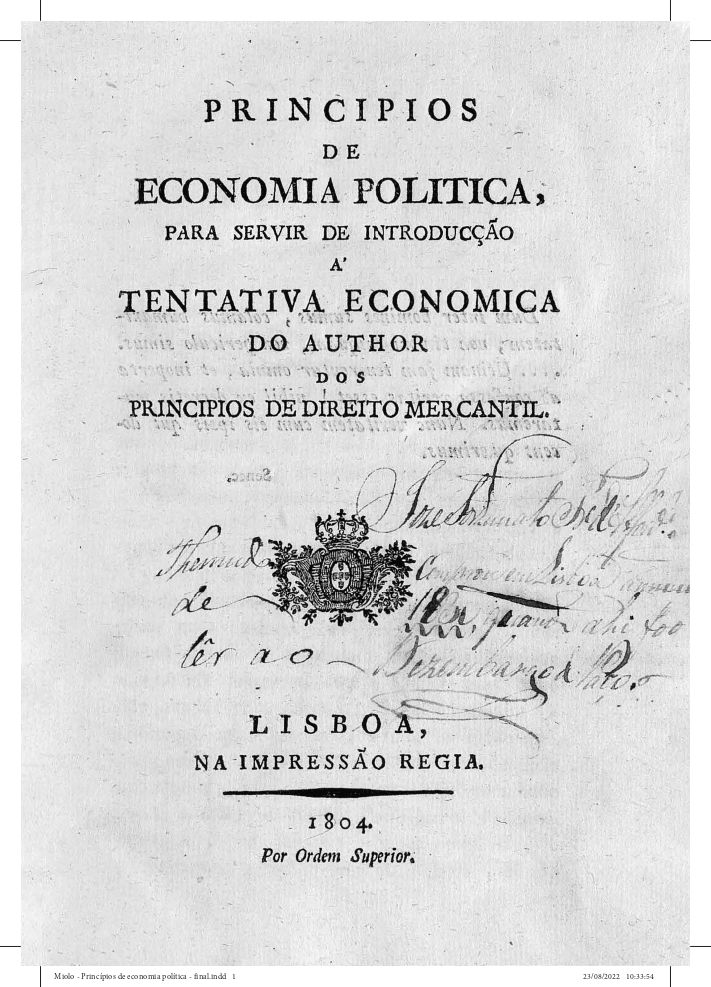
Introdução a José da Silva Lisboa, Princípios de economia política (1804) - Paulo Roberto de Almeida

Meu ensaio mais recente publicado: 


1471. “O maior pensador econômico brasileiro, embora ainda controverso”, Introdução a Lisboa, José da Silva, Princípios de economia política para servir de introdução à tentativa econômica do autor dos Princípios de Direito Mercantil. São Paulo: LVM Editora, 2022; ISBN: 978-65-5052-041-0; p. 13-39). Relação de Originais n. 4216.


Apresentação, com o editor, neste link:

https://www.instagram.com/tv/CjReA_2oi3W/?igshid=YmMyMTA2M2Y=


Trechos selecionados e bibliografia desta Introdução publicados no blog Diplomatizzando (13/08/2022; link: https://diplomatizzando.blogspot.com/2022/08/introducao-uma-nova-edicao-dos.html); 

Resumo colocado na plataforma Academia.edu (link: https://www.academia.edu/87753213/4216_O_maior_pensador_econômico_brasileiro_Introdução_a_José_da_Silva_Lisboa_2022_Postagem_no_blog_Diplomatizzando_sábado_13_de_agosto_de_2022_Introdução_a_uma_nova_edição_dos_Princ%C3%ADpios_de_Economia_Pol%C3%ADtica_1804_de_José_da_Silva_Lisboa_Principios_de_Economia_Pol%C3%ADtica_1804_). 

Sumário de minha introdução:  

 O maior pensador econômico brasileiro, embora ainda controverso  

O nascimento da economia política em terras escocesas e sua recente projeção asiática

Um pensador original, embora contestado pela historiografia brasileira

Mas quem foi Silva Lisboa? Qual o seu papel na construção do Estado independente?

Os Princípios de Economia Política, uma obra verdadeiramente seminal

Quão Smithiano era Silva Lisboa? Como isso se refletiu nos Princípios de 1804?

Referências bibliográficas

Referências bibliográficas: 

(Observação: algumas entradas estão como Cairu, outras como Lisboa, segundo as fichas catalográficas das respectivas edições de suas obras)


Almeida, Paulo Roberto (2018). A Brazilian Adam Smith: Cairu as the Founding Father of Political Economy in Brazil at the beginning of the 19th century”, Mises: Interdisciplinary Journal of Philosophy, Law and Economics, vol. 6, n. 1, jan.-abr. 2018, p. 117-129; disponível: https://doi.org/10.30800/mises.2018.v6.64 (acesso: 11 ago. 2022)

_______ (2002). “O nascimento do pensamento econômico brasileiro” in: Hipólito José da Costa, Correio Braziliense, ou, Armazém Literário. São Paulo: Imprensa Oficial do Estado; Brasília, DF: Correio Braziliense, 2002; reedição fac-similar, vol. XXX, p. 323-369.

Almodovar, António (1993). Introdução a: Lisboa, José da Silva. Escritos Económicos Escolhidos, 1804-1820. Lisboa: Banco de Portugal, Coleção de Obras Clássicas do Pensamento Económico Português, 2 vols.; t. I, p. ix-xxxii (disponível: https://www.bportugal.pt/sites/default/files/ocpep-5_t1.pdf; acesso: 16 ago. 2021).

Arrighi, Giovanni (2007). Adam Smith in Beijing: Lineages of the Twenty-First CenturyLondres: Verso Books.

Cairu, José da Silva Lisboa, Visconde de (1999). Observações sobre o Comércio Franco do Brasil. Brasília: Senado Federal, Conselho Editorial; edição original: Rio de Janeiro: Imprensa Régia, 1808 (disponível na Biblioteca Digital do Senado: https://www2.senado.leg.br/bdsf/bitstream/handle/id/1032/217333.pdf e https://www.bportugal.pt/sites/default/files/ocpep-5_t1.pdf ; acesso: 15 ago. 2021).

_______ (1999). Observações sobre a franqueza da indústria, e estabelecimento de fábricas no Brasil (1810). Brasília: Senado Federal, Conselho Editorial, Coleção Biblioteca Básica Brasileira; edição original: Rio de Janeiro: Imprensa Régia, 1810 (disponível na Editora do Senado: https://www2.senado.leg.br/bdsf/handle/id/1032 e https://www.bportugal.pt/sites/default/files/ocpep-5_t1.pdf; acesso: 15 ago. 2021).

_______ (1975). Estudos do bem-comum e economia política, ou ciência das leis naturais e civis de animar a geral indústria e promover a riqueza nacional e prosperidade do Estado (1819). Rio de Janeiro: IPEA/INPES; introdução de José Almeida.

Cardoso, José Luís (2006)Portugal como Problema, a Economia como Solução. Lisboa: Público-Fundação Luso-Americana, 2 vols.

Fenelon, Dea Ribeiro (1973). Cairu e Hamilton: um estudo comparativo. Tese de doutorado apresentada à Faculdade de Filosofia e Ciências Humanas da Universidade Federal de Minas Gerais, Belo Horizonte.

Furtado, Celso Brasil (1959). Formação Econômica do Brasil. Rio de Janeiro: Fundo de Cultura; 5ª ed.: 1963.

Kirschner, Tereza Cristina (2009). José da Silva Lisboa, Visconde de Cairu: itinerários de um ilustrado luso-brasileiro.São Paulo: Alameda; Belo Horizonte: PUC-Minas.

Landes, David (1995). The Wealth and Poverty of Nations. Nova York: W. W. Norton. 

Lima, Heitor Ferreira (1976). História do Pensamento Econômico no Brasil. São Paulo: Companhia Editora Nacional.

Lisboa, José da Silva (1993). Escritos Económicos Escolhidos (1804-1820). Lisboa: Banco de Portugal, Coleção de Obras Clássicas do Pensamento Económico Português, 2 vols.; introdução e direção António Almodovar.

_______ (1993). Estudos do bem-comum e economia política, ou ciência das leis naturais e civis de animar a geral indústria e promover a riqueza nacional e prosperidade do Estado (1819). Rio de Janeiro: Impressão Régia; in: Escritos Económicos Escolhidos (1804-1820), tomo II.

_______ (1940). Memória dos Benefícios Políticos do governo de El-Rey Nosso Senhor D. João VI. 2ª ed.; Rio de Janeiro: Arquivo Nacional; edição fac-similar da Comissão Brasileira dos Centenários de Portugal. 

Manoilescu, Mihail (1929). Théorie de l’Échange Inégal et du ProtectionismeParis: Giard. 

Montenegro, João Alfredo de Sousa (2000). O discurso autoritário de Cairu. Brasília: Senado Federal (Coleção Brasil 500 anos).

Novais, Fernando Antonio; Arruda, José Jobson de Andrade (1999), Prometeus e Atlantes na forja da nação, Introdução a Lisboa, José da Silva (1810), Observações sobre a Franqueza da Indústria, e Estabelecimento de Fábricas no Brasil. Brasília: Senado Federal, p. 9-29; coleção Biblioteca Básica Brasileira (disponível:https://www2.senado.leg.br/bdsf/handle/id/1032; acesso: 15 ago. 2021).

Paim, Antonio (1968). Cairu e o liberalismo econômico. Rio de Janeiro: Tempo Brasileiro.

San Tiago Dantas, Francisco Clementino (1962). Cairu: protagonista de sua época, in: San Tiago Dantas, F. C. Figuras do Direito. Rio de Janeiro: J. Olympio Editora, p. 3-20 (disponível: https://www.santiagodantas.com.br/wp-content/uploads/Cairu-Protagonista-de-sua-%C3%89poca.pdf; acesso: 9 ago. 2021).

Rocha, Antonio Penalves, organização e introdução (2001). José da Silva Lisboa, Visconde de Cairu. São Paulo: Editora 34. 

Rodrigues, José Honório (1988). História da História do Brasil; vol. II, tomo I: A Historiografia Conservadora. São Paulo: Companhia Editora Nacional.

Simonsen, Roberto (1936). História Econômica do Brasil (1500-1820)São Paulo: Companhia Editora Nacional, 2 vols.

Smith, Adam (1791). An Inquiry into the Nature and Causes of the Wealth of Nations6th ed.; Londres: A. Strahan and T. Cadell, 3 vols.


Paulo Roberto de Almeida, doutor em Ciências Sociais pela Universidade de Bruxelas e mestre em Planejamento Econômico pela Universidade de Antuérpia, é autor de diversos livros sobre a política externa e a história diplomática brasileira, entre eles Formação da Diplomacia Econômica no Brasil: as relações econômicas internacionais no Império(3ª edição: Brasília, Funag, 2017), Apogeu e Demolição da Política Externa: itinerários da diplomacia brasileira (Curitiba: Appris, 2021) e A Grande Ilusão do BRICS e o universo paralelo da diplomacia brasileira (Brasília: Diplomatizzando, Kindle, 2022). 


Leitura de trechos da Introdução, neste link: 


https://diplomatizzando.blogspot.com/2022/08/introducao-uma-nova-edicao-dos.html


segunda-feira, 3 de outubro de 2022

Noticias da guerra de agressão da Rússia contra a Ucrânia e da contra-ofensiva ucraniana - The Economist, The New York Times

 Assemblagem de notícias: 

As Ukraine smashes through more Russian lines, Russians wonder whom to blame

Ukrainian forces advance in Luhansk and Kherson

TOPSHOT - Ukrainian soldiers fire a mortar launcher at a position along the front line in the Donetsk region on September 26, 2022, amid Russia's invasion of Ukraine. (Photo by ANATOLII STEPANOV / AFP) (Photo by ANATOLII STEPANOV/AFP via Getty Images)

ON OCTOBER 3rd, Russia’s lower house rubber-stamped Vladimir Putin’s attempt to annex four Ukrainian provinces. But Ukraine is paying no attention. Forty-eight hours before Russian deputies rose to their feet to applaud the unanimous vote, Ukrainian tanks had rolled into Lyman, a strategic hub in the eastern province of Donetsk that Mr Putin claimed as his own. Later that evening, six Ukrainian battalions pierced enemy lines 200 miles away, in north-east Kherson. By the time Russian soldiers were making SOS appeals for emergency aviation support via social media, the Ukrainians were already at least 12 miles (20km) behind enemy lines

It is unclear how far either operation will carry the Ukrainians. But at the very least, they represent a humiliating political defeat for Russia’s president, coming so soon after he tried to formalise the theft of land he does not fully control. If the four provinces are part of Russia, they are presumably sheltered by its nuclear umbrella. Yet Dmitry Peskov, the Kremlin spokesman, cannot even say where their borders lie. Speaking on October 3rd, he waffled as he tried to define them. 

====================

The New York Times, October 3, 2022

By Carole Landry

Editor/Writer, Briefings Team

Welcome to the Russia-Ukraine War Briefing, your guide to the latest news and analysis about the conflict.

Ukrainian soldiers in the town of Oskil, in eastern Ukraine, today.Nicole Tung for The New York Times

Ukraine’s big advance

After seizing control of Lyman in the Donetsk region on Saturday, Ukrainian forces pushed forward on two fronts in the east and in the south today. Russian troops were on the run.

Ukraine’s troops chased retreating Russian forces in the east and destroyed a Russian armored column near the village of Torske. Russian officials said that Ukrainian forces had set up positions closer to Lysychansk, which the Russians seized over the summer.

Capturing Lyman gave Ukraine’s military a foothold to try to advance farther east.Source: Institute for the Study of War | By The New York Times

Russia’s Defense Ministry acknowledged that Ukrainian tank units had managed to penetrate its line of defense in the south, in part of the Kherson region. A senior Ukrainian military official described the advance as the beginning of the active phase of an offensive.

The battlefield setbacks put a damper on the Kremlin’s plans for a triumphant day in Moscow. Russia’s lower house of parliament voted unanimously to ratify the illegal annexation of four occupied regions: Donetsk, Luhansk, Zaporizhzhia and Kherson. President Vladimir Putin said last week the regions would be “forever” part of Russia.

Russia still controls large parts of eastern and southern Ukraine, and Moscow’s forces still hold the advantage in numbers and firepower. Analysts said Ukraine’s military risked advancing too quickly, overstretching its forces and becoming vulnerable to a counterattack.

On the ground in eastern Ukraine, my colleague, Carlotta Gall, interviewed an American who commands a unit of international and Ukrainian volunteers. “The Russians have been retreating,” said the commander, Rob Roy, 26, who uses the code name Borys. “We broke their lines and have been pursuing them since.”

Roy said that many of the Russian conscripts were in poor shape.

“Lots of times they were wearing flip-flops, malnourished,” he said. “It does not scream of a well-mobilized army. My feeling is they don’t want to be here.”

===============

Russia-Ukraine War

The war in Ukraine has devastated the country, further isolating Russia from the West and fueling economic insecurity around the world.

    1. With Bluster and Threats, Putin Casts the West as the Enemy

      Declaring that Russia would annex four regions of Ukraine, which the West rejects as illegal, the Russian president accused the U.S. and its allies of “despotism’’ and “Satanism.’’

      September 30, 2022By Anton Troianovski and 

Revista Interesse Nacional: número 59: disponível no portal

Caros leitores,


A reinvenção do Brasil se faz necessária em 2023. São inúmeras as contingências e desafios. A atual edição faz reflexões sobre o futuro que nos espera frente ao complexo e difícil cenário eleitoral e diante de um mundo em recuperação econômica pós-pandemia e vivendo uma guerra em plena Europa. No Brasil, em razão de medidas inconsequentes, eleitoreiras e sem lastro técnico, as contas públicas preocupam assim como a busca de equilíbrio na relação Executivo/Congresso, consagrando protocolos de governabilidade. Não é tarefa simples, mas possível se guiada por propósitos de grandeza política, como trata a atual edição.


Questões que permanecem relevantes por projetarem uma sombra sobre a vida democrática nacional, caso da polarização, autoritarismo e conflito interinstitucional, alimentados pelas disputas no meio digital, são tema da Revista, assim como o futuro verde para o Brasil. Seremos um farol do mundo nessa ordem que ainda se desenha em defesa da economia sustentável? Seremos respeitados após a degradação da imagem do país, hoje associada à devastação ambiental, ao recrudescimento da fome e à violência. Todos assuntos que estarão no centro de qualquer projeto político de recuperação do país na virada do ano.


Nas relações internacionais, por onde andará o Brasil? Avançam entendimentos sobre qual seria a ideologia de Putin que indica ver a Rússia como centro da civilização global, como trata um dos artigos aqui publicados. E qual o futuro que se deve esperar do Mercosul que acaba de completar 30 anos e, desde sua criação, desempenha papel de dinamização econômico-comercial, contribuindo para assentar a democracia no subcontinente. A boa notícia está na promissora conclusão do acordo Mercosul-Singapura, em fase de revisão jurídica. Singapura é o 6o destino das exportações brasileiras.


O papel em defesa de princípios nas Academias de Letras, diante das transformações da sociedade, e algumas reflexões sobre o contexto do bicentenário da Independência completam a publicação deste trimestre.


A edição está disponível no portal IN:  https://interessenacional.com.br/edicoes/edicao-59/


Boa leitura!


os editores.

Eleições 2022: a bridge too far? - Paulo Roberto de Almeida

 No caminho da vitória, uma ponte longe demais?

Lembrei-me agora de um filme, nos distantes anos 1970, que falava de um episódio frustrante no caminho das forças aliadas em sua ofensiva final contra as forças nazistas na frente ocidental da Segunda Guerra Mundial? Antecipar um empreendimento já ganho pode prejudicar um planejamento bem feito sobre as condições da vitória.

O choque das apurações e o despertar de consciências: será que a velha esquerda brasileira já não envelheceu demais? 

Não adianta chamar o Brasil de conservador ou reacionário. O fato é que o “espectro do comunismo” continua, ainda que ridiculamente, a rondar o Brasil.

No Chile, o choque foi com a aprovação de uma Constituição utópica demais; aqui parece ser a falta de ideias ou de propostas claras sobre o que fazer, uma vez no poder.

Vão acordar para a realidade ou continuar jogando com as palavras?

Essa coisa de esperança não pode ser apenas um slogan vazio: se não derem conteúdo concreto às propostas, vão morrer na praia.

Estou apenas comentando o que vejo; não sou porta-voz de qualquer tendência, mas me interessa mais profundamente o real afundamento da imagem internacional do país e o próprio sentido da política externa. 

Quanto à diplomacia, esta já se humilhou e foi humilhada o bastante.

Não gostaria que se criasse uma barreira entre dois Brasis que se odeiam.

Acho que fui bastante claro na minha mensagem. 

Depois não digam que eu não avisei.

Resumindo o andar da carruagem ou o andor da procissão triunfante, ao ver a bola bater na trave: corrupção e incompetência econômica ainda são os fatores mais relevantes no amargo sabor da vitória postergada. O espectro do comunismo vale como espantalho. Vão se corrigir? Talvez!

Paulo Roberto de Almeida 

Brasília, 3/10/2022

domingo, 2 de outubro de 2022

China: os sete maiores rios - CGTN

 China 12:55, 01-Oct-2022

Graphics: Facts about China's seven major river systems
Updated 14:52, 01-Oct-2022
CGTN

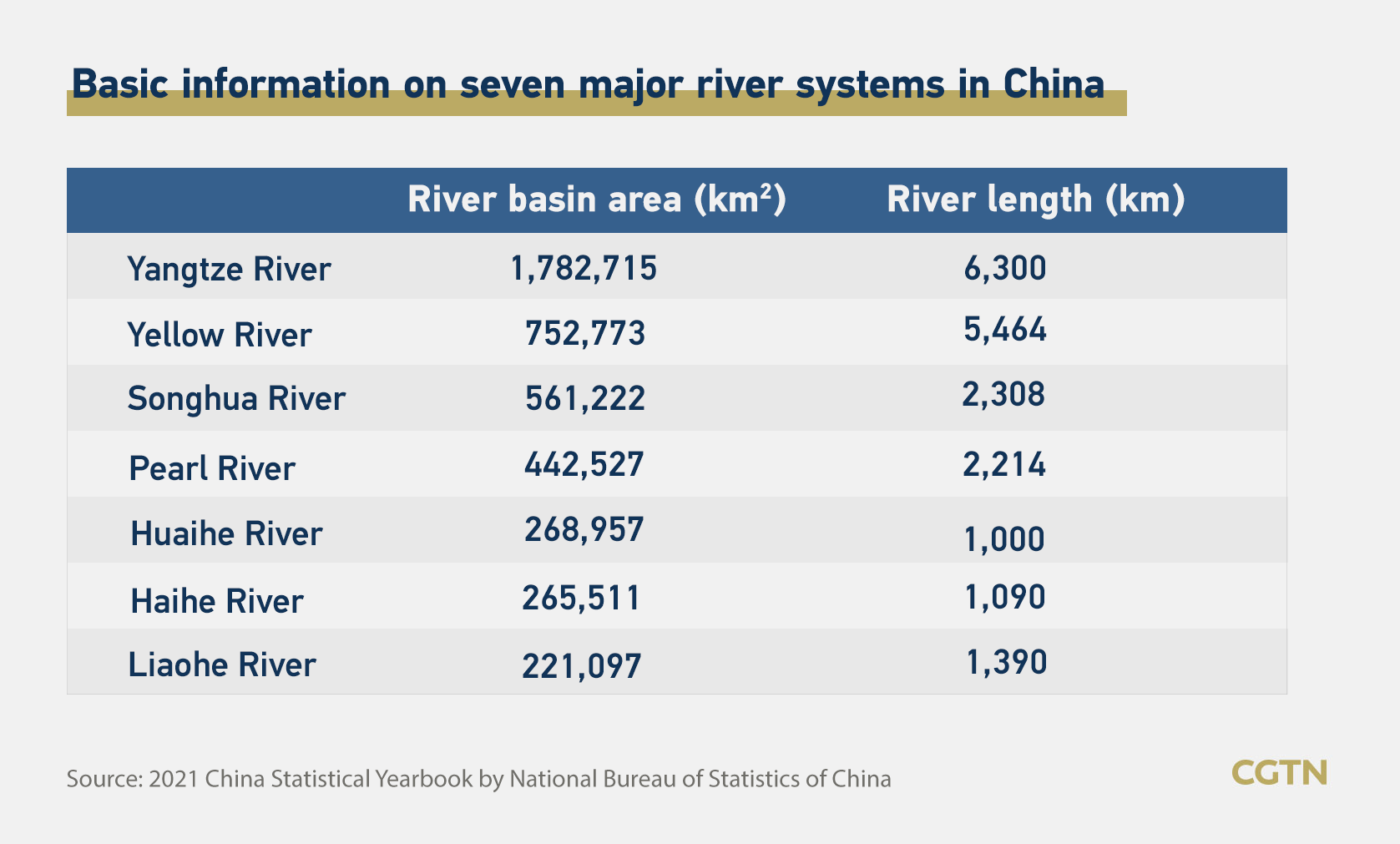
From south to north, China has seven major rivers, vertically and horizontally: the Songhua, Liaohe, Haihe, Yellow, Huaihe, Yangtze and Pearl rivers. They can be categorized as exterior and interior systems. The drainage area for the exterior rivers that empty into the oceans accounts for over 60 percent of the country's total land area.

Graphics: Facts about China's seven major river systems

Facts behind the seven major rivers


Revered as the "mother river" of the Chinese nation, the Yangtze is the country's longest river, at 6,300 kilometers. The main stream of the Yangtze River flows through 11 provinces, autonomous regions and municipalities, with a basin area of nearly 1.8 million square kilometers. Among the world's rivers, the Yangtze ranks third after the Nile in Africa and the Amazon in South America. 

The Yellow River is the second longest river in China and the world's sixth-longest, with a length of about 5,464 kilometers, flowing through nine provinces and autonomous regions in China.

Graphics: Facts about China's seven major river systems

The Songhua River has a total length of 2,308 kilometers and spans two provinces, Jilin and Heilongjiang. Its basin area of 561,222 square kilometers accounts for 60 percent of the total area of northeast China. The Pearl River is the fourth largest in China, with a total length of 2,214 kilometers. It covers six provinces, autonomous regions and municipalities on the Chinese mainland. 

The Huaihe River, located between the Yangtze and Yellow rivers, flows through central China and has a total length of around 1,000 kilometers. The Haihe River has the largest river system in northern China, covering eight provinces, autonomous regions and municipalities. The Liaohe River, located in northeastern China, has a total length of 1,390 kilometers, spanning four provinces and autonomous regions.

Social development

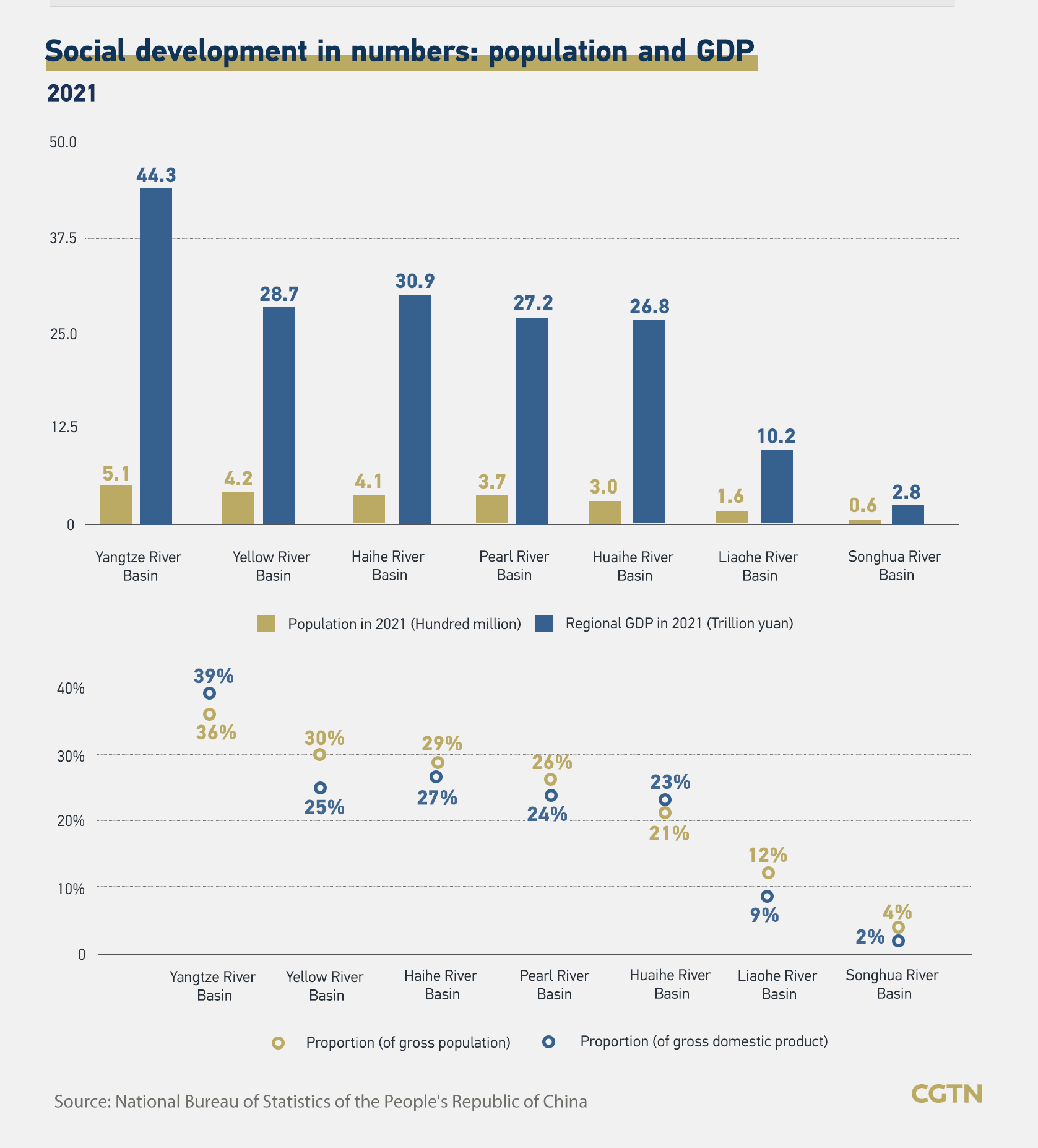
The Yangtze River plays a central role in Chinese agriculture, industry and transportation. It is the country's primary waterway, and 36 percent of China's population lives in its basin. In 2021, the gross domestic product (GDP) generated in the Yangtze River Basin approached 44.3 trillion yuan ($6.9 trillion), accounting for 39 percent of the country's GDP, according to the National Bureau of Statistics of China. 

The Yellow River Basin is also a key agricultural and industrial region, accounting for 30 percent of China's population and generating 25 percent of the country's GDP in 2021.

Graphics: Facts about China's seven major river systems

People living in the Haihe River Basin accounted for 29 percent of China's population and created 27 percent of the country's GDP in 2021. The Pearl River is an extensive river in southern China. More than one-quarter of the Chinese people live in the Pearl River Basin.

The Huaihe, Liaohe and Songhua rivers also play essential roles in agricultural and industry. In 2021, provinces, autonomous regions and municipalities in the Huaihe, Liaohe, and Songhua river basins generated 23 percent, 9 percent and 2 percent respectively of the country's GDP. 

Economic development 

Graphics: Facts about China's seven major river systems

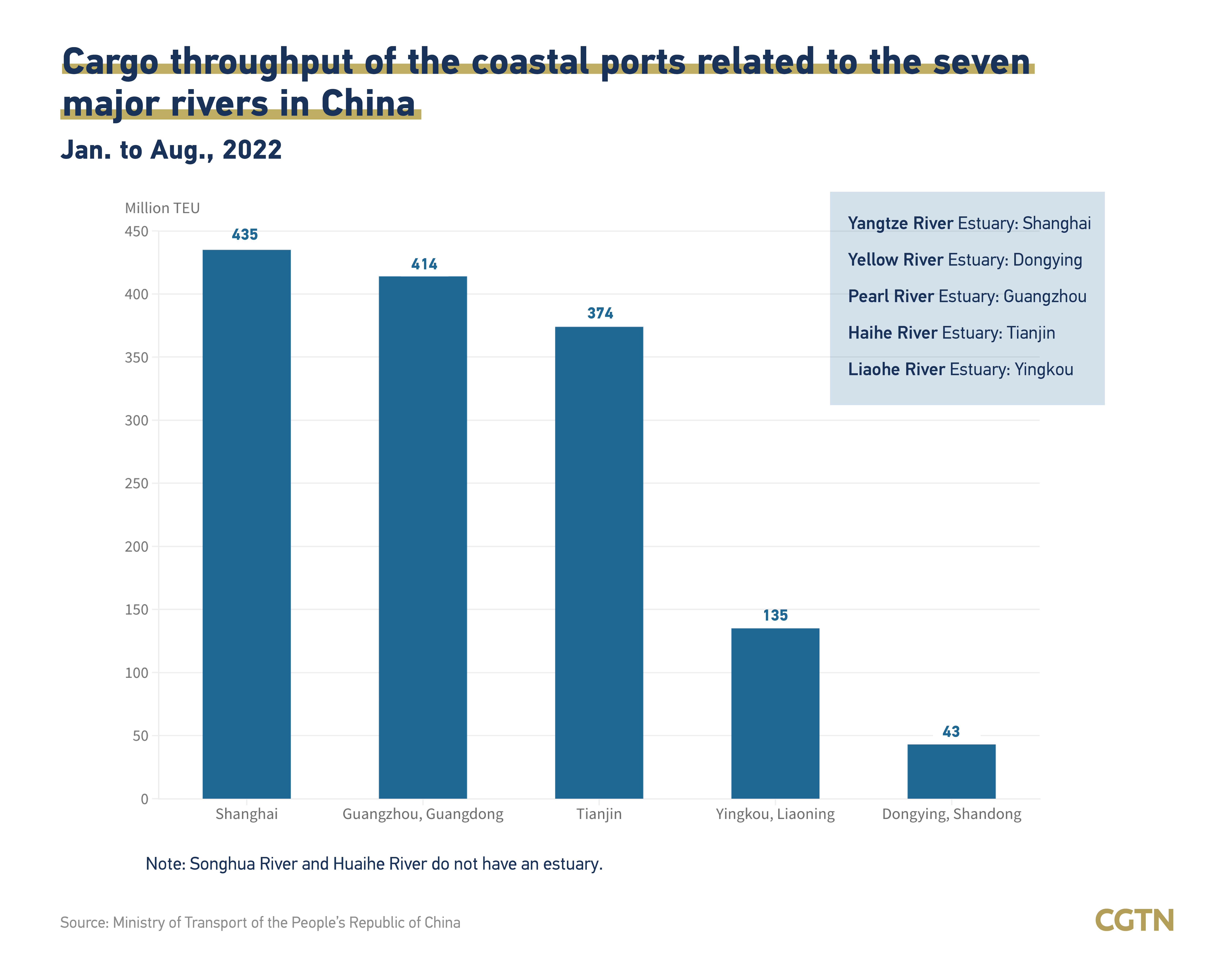
Among the seven rivers mentioned above, the Huaihe River and the Songhua River do not have an estuary. The estuary of the Yangtze River is located in Shanghai. The cumulative cargo throughput of the Shanghai port from January to August this year was 438 million Twenty-foot Equivalent Units (TEU). The Yellow River eventually flows into the sea near the city of Dongying in Shandong Province, and the cumulative cargo throughput of the Dongying port in the first eight months of the year was 43 million TEU. The cumulative cargo throughput of Guangzhou, Tianjin and Yingkou ports from January to August this year was 414, 374, and 135 million TEU, respectively.

Read more:

The Great Rivers of China: The Yangtze River

The Great Rivers of China: The Yellow River

The Great Rivers of China: The Liaohe River


Portal da revista Interesse Nacional: artigos sobre a Política Externa do Brasil - Rubens Barbosa

Portal da revista Interesse Nacional
A eleição presidencial deste domingo vai ser fundamental para a defesa dos interesses do Brasil e a projeção internacional do país. Ao longo da semana, o portal Interesse Nacional publicou uma série de artigos e entrevistas que analisam a importância da decisão política deste ano, seu impacto para o lugar do Brasil do mundo e para a própria democracia.

Em entrevista exclusiva, o historiador americano Bryan McCann analisou as semelhanças a situação do Brasil e a dos Estados Unidos após a saída de Donald Trump do poder. Ele alega que o risco ao estado de direito continuará existindo mesmo que haja uma mudança no governo brasileiro após as eleições. Outros artigos falam sobre a importância da eleição para o Mercosul, o contexto da política brasileira e sobre a violência política no país. 

Em editorial, o embaixador Rubens Barbosa, coordenador editorial da Interesse Nacional, argumenta que, após um ano de campanha eleitoral intensa e marcada pela ausência de discussões sobre os desafios e interesses nacionais, país necessita de estabilidade política e econômica para poder crescer, gerar renda e emprego. Leia o texto completo.

Repasse este e-mail para quem você quiser e avise que é possível assinar a newsletter do Interesse Nacional clicando aqui. 

Boa leitura!

Daniel Buarque
Editor-executivo - Interesse Nacional

As eleições e o lugar do Brasil no mundo

A decisão dos brasileiros nas urnas neste domingo foi o principal assunto da semana na Interesse Nacional, com uma série de entrevistas, análises, artigos e estudos que avaliam como o voto pode determinar o lugar do Brasil no mundo.
 

Democracia ameaçada

O aparente enfraquecimento político do presidente Jair Bolsonaro e a vantagem do ex-presidente Luiz Inácio Lula da Silva nas pesquisas de intenção de voto às vésperas da eleição deste ano não devem ser interpretados como sinais de que a democracia brasileira está à salvo, segundo o historiador americano Bryan McCann, professor da Universidade Georgetown. Para ele, mesmo se Bolsonaro perder e aceitar a derrota, ele vai continuar sendo uma ameaça ao estado de direito no país.

“Caso Bolsonaro perca, ele continuará sendo uma força política no Brasil. Mesmo se aceitar a derrota, ele pode continuar sendo uma força política que ameaça a democracia, assim como Trump nos EUA”, explicou McCann.

Leia a entrevista completa 

--------------------------------------------
 

A eleição, o Brasil e o Mercosul


Ameaças de Bolsonaro à democracia representam um sério risco para uma economia regional já frágil e para a estabilidade no continente, escreve em artigo exclusivo a psicóloga especializada em negócios Patricia de Oliveira Dias. Segundo ela, a crise institucional no Brasil e pode enfraquecer o Mercosul e abrir caminho para o retorno de governos autoritários à América do Sul.

Leia o artigo completo

--------------------------------------------
 

Violência política


A preocupação global com ação de grupos criminosos organizados na eleição brasileira deste ano ignora a longa história de violência política, troca de favores e clientelismo no país, com presença frequente de coronéis e ação de milícias, esquadrões da morte e grupos de extermínio. Em artigo exclusivo, o pesquisador do King's College London Nicholas Pope argumenta que as eleições são apenas a ponta de um iceberg político muito maior. Segundo ele, é importante também prestar atenção em como o poder e o controle são exercidos de forma sustentada e cotidiana entre os eventos eleitorais.

‘Desde a fundação da República em 1889, as instituições políticas do Brasil contam com a violência para que a política cotidiana funcione’, diz.

Leia o artigo completo

--------------------------------------------

O contexto e o futuro


Imitando o ex-presidente dos EUA, Donald Trump, Bolsonaro disse muitas vezes que pode não respeitar os resultados das eleições e que o sistema de justiça eleitoral não é confiável. Para o pesquisador Felipe Tirado, se Lula vencer, enfrentará uma série de obstáculos para restaurar o respeito às instituições nacionais do Brasil e ao Estado Democrático de Direito.

Leia o artigo completo

Postagem em destaque

Livro Marxismo e Socialismo finalmente disponível - Paulo Roberto de Almeida

Meu mais recente livro – que não tem nada a ver com o governo atual ou com sua diplomacia esquizofrênica, já vou logo avisando – ficou final...