quinta-feira, 9 de fevereiro de 2023

Zelensky à Bruxelles: si la Russie gagne, votre mode de vie est ménacée - Le Monde


Guerre en Ukraine, en direct : « Nous nous défendons contre la force la plus antieuropéenne du monde », déclare Volodymyr Zelensky devant les eurodéputés

Le président ukrainien, en visite à Bruxelles, s’est exprimé devant le Parlement européen, jeudi matin. Il doit ensuite rejoindre le sommet des dirigeants des Vingt-Sept. M. Zelensky était, mercredi, en visite à Londres et à Paris.


Dernière mise à jour le 6 février 2022
KievKievKharkivKharkivLvivLvivSébastopolSébastopolOdessaOdessaTchernihivTchernihivMarioupolMarioupolDonetskDonetskLouhanskLouhanskBrestBrestKhersonKhersonVinnytsiaVinnytsiaTcherkassyTcherkassySoumySoumyZaporijiaZaporijiaMykolaïvMykolaïvKryvy RihKryvy RihIzioumIzioumSievierodonetskSievierodonetskBakhmoutMer  NoireBIÉLORUSSIERUSSIEMOLDAVIEUKRAINE100 km
 Russie et alliés
 Crimée, annexée depuis 2014
 Territoire où se trouve l'armée russe
 Où l'armée russe mène des opérations
Ville tenue par les Ukrainiens
Ville conquise par les Russes
Ville au statut disputé

 Image de couverture :  Volodymyr Zelensky s’exprime devant le Parlement européen, le 9 février.  OLIVIER MATTHYS / AP
  • Volodymyr Zelensky se rend jeudi à Bruxelles en invité d’honneur d’un sommet des Vingt-Sept, où il devrait plaider notamment pour que ses alliés lui livrent des avions de combat au « plus tôt ».
  • A Londres, M. Zelensky s’est adressé mercredi au Parlement réuni au Westminster Hall, qui a accueilli de rares dirigeants étrangers comme le Français Charles de Gaulle en 1960. « Je vous demande, à vous et au monde, des mots simples mais très importants : des avions de combat pour l’Ukraine, des ailes pour la liberté », a-t-il lancé. Semblant ouvrir la porte à ce sujet quelque peu tabou, le premier ministre, Rishi Sunak, a promis de former des pilotes de chasse « aux normes de l’OTAN ». Il a demandé à l’armée britannique d’étudier de possibles livraisons d’avions, une solution envisageable seulement « à long terme ».
  • Le président ukrainien a ensuite été accueilli dans la soirée de mercredi par Emmanuel Macron, qui avait aussi convié Olaf Scholz pour un dîner tardif à l’Elysée. Devant la presse, les deux dirigeants ont temporisé sur la question des avions, mais ont assuré à leur homologue ukrainien qu’ils soutiendraient l’Ukraine, notamment militairement, « aussi longtemps que nécessaire ».
  • Quant à la question des chars, Londres a affirmé que ses Challenger seraient opérationnels « le mois prochain » et a promis d’envoyer immédiatement des capacités d’artillerie à plus longue portée. L’Allemagne compte, elle, fournir avec ses alliés à la fin d’avril un premier bataillon de ses tanks Leopard, très attendus.
  • La Russie revendique la réussite de sa récente offensive dans l’est de l’Ukraine. « Actuellement, les combats évoluent avec succès dans les zones [de Bakhmout et de Vouhledar] », a déclaré le ministre de la défense russe, Sergueï Choïgou, qui a, en outre, mis en garde l’Occident contre l’accroissement de son aide à l’Ukraine, qui pourrait « conduire à un niveau imprévisible d’escalade » du conflit.

Retrouvez notre live d’hier en cliquant sur ce lien.

Lire tous nos articles, analyses et reportages sur la guerre en Ukraine

Chronique. « Sur la route de l’adhésion à l’UE, Volodymyr Zelensky a déjà marqué des points »

Vidéo. « La Russie perdra », promet Volodymyr Zelensky, en déplacement au Royaume-Uni

Témoignages. « Dans les rues de Kiev, je commence à croiser des gens avec des prothèses de bras et de jambes. L’invasion a déjà ses vétérans »

Tribune. « La France pourrait apporter un bien meilleur soutien aux militants issus de pays non démocratiques »

Reportage. La défense du réseau électrique, l’autre front ukrainien

Décryptages. En visite au Mali, Sergueï Lavrov prend les Occidentaux pour cible

Chronique. « Il y a trop de cadavres russes dans les placards de la République française »

Reportage. A Bakhmout avec les White Angels, pour exfiltrer des civils ukrainiens loin du front

Factuel. Les réponses du « Monde » à vos questions les plus fréquentes


quarta-feira, 8 de fevereiro de 2023

Joe Biden, State of the Union: déjà vu all over again - Stephen Collinson, Caitlin Hu and Shelby Rose (CNN)


Russia-Ukraine war: negotiate a peace settlement or eeaken Russia? - Caitlin Johnstone (John Menadue)

 POLITICS, WORLD

More evidence that the West sabotaged peace In Ukraine

John Menadue Public Policy Journal, Feb 8, 2023
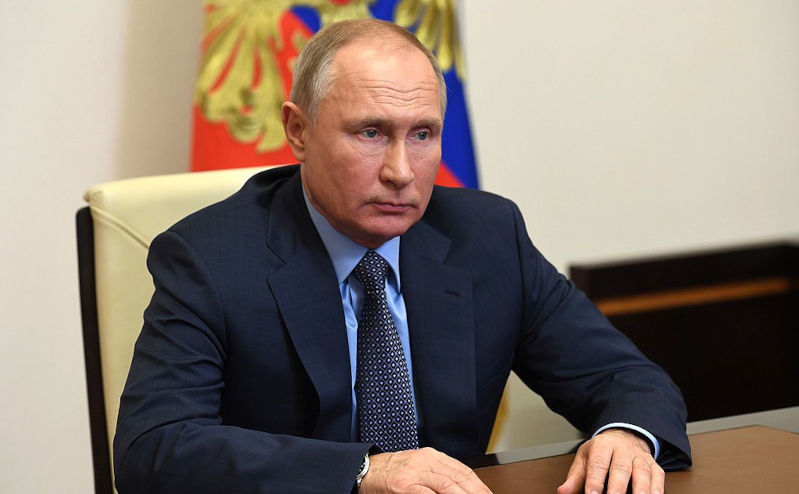
Vladimir Putin and Naftali Bennett (22-10-2021)

Days after the war in Ukraine began it was reported by The New York Times that “President Volodymyr Zelensky of Ukraine has asked the Israeli prime minister, Naftali Bennett, to mediate negotiations in Jerusalem between Ukraine and Russia.” In a recent interview, Bennett made some very interesting comments about what happened during those negotiations in the early days of the war.

In a new article titled “Former Israeli PM Bennett Says US ‘Blocked’ His Attempts at a Russia-Ukraine Peace Deal,” Antiwar’s Dave DeCamp writes the following:

Former Israeli Prime Minister Naftali Bennett said in an interview posted to his YouTube channel on Saturday that the US and its Western allies “blocked” his efforts of mediating between Russia and Ukraine to bring an end to the war in its early days.

On March 4, 2022, Bennett traveled to Russia to meet with President Vladimir Putin. In the interview, he detailed his mediation at the time between Putin and Ukrainian President Volodymyr Zelensky, which he said he coordinated with the US, France, Germany, and the UK.

Bennett said that both sides agreed to major concessions during his mediation effort.

But ultimately, the Western leaders opposed Bennet’s efforts. “I’ll say this in the broad sense. I think there was a legitimate decision by the West to keep striking Putin and not [negotiate],” Bennett said.

When asked if the Western powers “blocked” the mediation efforts, Bennet said, “Basically, yes. They blocked it, and I thought they were wrong.”

Bennett says the concessions each side was prepared to make included the renunciation of future NATO membership for Ukraine, and on Russia’s end dropping the goals of “denazification” and Ukrainian disarmament. As DeCamp notes, this matches up with an Axios report from early March that “According to Israeli officials, Putin’s proposal is difficult for Zelensky to accept but not as extreme as they anticipated. They said the proposal doesn’t include regime change in Kyiv and allows Ukraine to keep its sovereignty.”

Bennett is about as unsavoury a characteras exists in the world today, but Israel’s complicated relationship with this war lends itself to the occasional release of information not fully in alignment with the official imperial line. And his comments here only add to a pile of information that’s been coming out for months which says the same thing, not just regarding the sabotage of peace talks in March but in April as well.

In May of last year Ukrainian media reportedthat then-British prime minister Boris Johnson had flown to Kyiv the previous month to pass on the message on behalf of the western empire that “Putin is a war criminal, he should be pressured, not negotiated with,” and that “even if Ukraine is ready to sign some agreements on guarantees with Putin, they are not.”

In April of last year, Turkish Foreign Minister Mevlut Cavusoglu said that “there are those within the NATO member states that want the war to continue, let the war continue and Russia gets weaker.” Shortly thereafter, US Secretary of Defence Lloyd Austin said that the goal in Ukraine is “to see Russia weakened.”

September Foreign Affairs report by Fiona Hill asserts that in April of last year a peace deal had been in the works between Moscow and Kyiv, which would presumably have been the agreement that Johnson et al were able to sabotage:

According to multiple former senior U.S. officials we spoke with, in April 2022, Russian and Ukrainian negotiators appeared to have tentatively agreed on the outlines of a negotiated interim settlement: Russia would withdraw to its position on February 23, when it controlled part of the Donbas region and all of Crimea, and in exchange, Ukraine would promise not to seek NATO membership and instead receive security guarantees from a number of countries.

In March of last year Bloomberg’s Niall Ferguson reported that sources in the US and UK governments had told him the real goal of western powers in this conflict is not to negotiate peace or end the war quickly, but to prolong it in order “bleed Putin” and achieve regime change in Moscow. Ferguson wrote that he has reached the conclusion that “the U.S. intends to keep this war going,” and says he has other sources to corroborate this:

“The only end game now,” a senior administration official was heard to say at a private event earlier this month, “is the end of Putin regime. Until then, all the time Putin stays, [Russia] will be a pariah state that will never be welcomed back into the community of nations. China has made a huge error in thinking Putin will get away with it. Seeing Russia get cut off will not look like a good vector and they’ll have to re-evaluate the Sino-Russia axis. All this is to say that democracy and the West may well look back on this as a pivotal strengthening moment.”

I gather that senior British figures are talking in similar terms. There is a belief that “the U.K.’s No. 1 option is for the conflict to be extended and thereby bleed Putin.” Again and again, I hear such language. It helps explain, among other things, the lack of any diplomatic effort by the U.S. to secure a cease-fire. It also explains the readiness of President Joe Biden to call Putin a war criminal.

All this taken together heavily substantiates the claim made by Vladimir Putin this past September that Russia and Ukraine had been on the cusp of peace shortly after the start of the war, but western powers ordered Kyiv to “wreck” the negotiations.

“After the start of the special military operation, in particular after the Istanbul talks, Kyiv representatives voiced quite a positive response to our proposals,” Putin said. “These proposals concerned above all ensuring Russia’s security and interests. But a peaceful settlement obviously did not suit the West, which is why, after certain compromises were coordinated, Kyiv was actually ordered to wreck all these agreements.” 

Month after month it’s been reported that US diplomats have been steadfastly refusing to engage in diplomacy with Russia to help bring an end to this war, an inexcusable rejection that would only make sense if the US wants this war to continue. And comments from US officials continually make it clear that this is the case.

In March of last year President Biden himself acknowledged what the real game is here with an open call for regime change, saying of Putin, “For God’s sake, this man cannot remain in power.” Statements from the Biden administration in fact indicate that they expect this war to drag on for a long time, making it abundantly clear that a swift end to minimise the death and destruction is not just uninteresting but undesirable for the US empire.

US officials are becoming more and more open about the fact that they see this war as something that serves their strategic objectives, which would of course contradict the official narrative that the western empire did not want this war and the infantile fictionthat Russia’s invasion was “unprovoked”. Recent examples of this would include Senate Minority Leader Mitch McConnell’s speech ahead of Zelensky’s visit to Washington in December.

“President Zelensky is an inspiring leader,” McConnell said in his speech ahead of the Ukrainian president’s visit to Washington. “But the most basic reasons for continuing to help Ukraine degrade and defeat the Russian invaders are cold, hard, practical American interests. Helping equip our friends in Eastern Europe to win this war is also a direct investment in reducing Vladimir Putin’s future capabilities to menace America, threaten our allies, and contest our core interests.”

In May of last year Congressman Dan Crenshaw said on Twitter that “investing in the destruction of our adversary’s military, without losing a single American troop, strikes me as a good idea.”

Indeed, a report by the empire-fundedCenter for European Policy Analysis titled “It’s Costing Peanuts for the US to Defeat Russia” asserts that the “US spending of 5.6% of its defence budget to destroy nearly half of Russia’s conventional military capability seems like an absolutely incredible investment.”

In May of last year US Senator Joe Manchin said at the World Economic Forum that he opposes any kind of peace agreement between Ukraine and Russia, preferring instead to use the conflict to hurt Russian interests and hopefully remove Putin.

“I am totally committed, as one person, to seeing Ukraine to the end with a win, not basically with some kind of a treaty; I don’t think that is where we are and where we should be,” Manchin said

“I mean basically moving Putin back to Russia and hopefully getting rid of Putin,” Manchin added when asked what he meant by a win for Ukraine.

“I believe strongly that I have never seen, and the people I talk strategically have never seen, an opportunity more than this, to do what needs to be done,” Manchin later added.

Then you’ve got US officials telling the pressthat they plan to use this war to hurt Russia’s fossil fuel interests, “with the long-term goal of destroying the country’s central role in the global energy economy” according to The New York Times. You’ve also got the fact that the US State Department can’t stop talking about how great it is that Russia’s Nord Stream Pipelines were sabotaged in September of last year, with Secretary of State Antony Blinken saying the Nord Stream bombing “offers tremendous strategic opportunity” and Under Secretary of State for Political Affairs Victoria Nuland saying the Biden administration is “very gratified to know that Nord Stream 2 is now, as you like to say, a hunk of metal at the bottom of the sea.”

The US empire is getting everything it wants out of this proxy war. That’s why it knowingly provoked this war, that’s why it repeatedly sabotaged the outbreak of peace after the war broke out, and that’s why this proxy war has no exit strategy. The empire is getting everything it wants from this war, so why wouldn’t it do everything in its power to obstruct peace? 

I mean, besides the obvious unforgivable depravity of it all, of course. The empire has always been fine with cracking a few hundred thousand human eggs in order to cook the imperial omelette. It is unfathomably, unforgivably evil, though, and it should outrage everyone.


First published by Caitlin JohnstoneFebruary 06, 2023

Caitlin Johnstone is a reader-supported independent journalist from Melbourne, Australia. She now lives in the US. Her political writings can be found on Medium.


Putin’s twilight: Quem vai colocar o guizo no pescoço do gato? - Roderic Lyne (John Menadue blog)

 DEFENCE AND SECURITY, POLITICS

Putin’s twilight: a prelude to darkness or a new dawn?

John Menadue blog, Feb 8, 2023
Vladimir Putin

In his post on 7 January Lawrence Freedman concluded that “The question of what it takes to get Russia to abandon its war of conquest remains unanswered.”

The answer, at least in part, has to be a change of leadership – most likely a generational change.

For Putin this is a war, not about territory, but about control. He has obsessively sought veto power over Ukraine ever since the Orange Revolution of 2004/5. In his July 2021 essay, he stood against “those who have today given up the full control of Ukraine to external forces.” His objective a year ago was to install a puppet government to control Ukraine. In the spring of 2022 he did not buy into a Ukrainian offer of territorial concessions and neutrality.

Stalemate, ceasefire agreements, frozen conflict – these are all scenarios which,  for want of a better alternative, Putin could accept for a time. They would keep Ukraine under pressure and leave open the possibility for Russia to return to the charge in the future.

But a lasting peace settlement would require Russia to bind itself irrevocably to respect Ukraine’s sovereignty and territorial integrity (for the Ukrainians will accept nothing less; nor should their Western backers); and to accept without demur whatever arrangements need to be made to ensure Ukraine’s future security. There would be no Russian veto, still less control.

I find it inconceivable that Putin would agree to such conditions or be trusted if he purported to agree. He has cut off his own avenue for retreat. There cannot be a lasting peace with him or those in his immediate circle who share his paranoia (General Nikolai Patrushev, Secretary of the Security Council, being but one obvious example).

A definitive end to the war of conquest (by which I mean a peace settlement and not just a cease-fire) will therefore require new tenants in the gilded halls of the Kremlin. Outsiders cannot determine who leads Russia. When and how can change come from within?


First published by samf.substack.com February 4, 2023

terça-feira, 7 de fevereiro de 2023

O segundo ano da guerra na Ucrânia será assustador - Thomas Friedman (NYT, Estadão)

O segundo ano da guerra na Ucrânia será assustador; leia o artigo de Thomas Friedman


Para o autor, uma geração sem uma guerra entre Grandes Potências fez muita gente esquecer o que tornou essa longa era de paz possível

Por Thomas Friedman
O Estado de S. Paulo, 06/02/2023

Conforme nos aproximamos do primeiro aniversário da invasão russa em escala total à Ucrânia — e da feroz resposta ucraniana apoiada pela coalizão ocidental liderada pelos Estados Unidos — a seguinte pergunta precisa ser respondida com urgência: Como foi possível que, em 23 de fevereiro de 2022, virtualmente ninguém nos EUA argumentava que estava no centro do nosso interesse nacional entrar em uma guerra indireta com a Rússia para impedi-la de subjugar a Ucrânia, um país que a maioria dos americanos não conseguia encontrar no mapa em dez tentativas?

E ainda assim, agora, quase um ano depois, pesquisas mostram sólidas maiorias americanas (apesar de diminuindo levemente) a favor do apoio aos ucranianos com armas e ajudas, mesmo que isso arrisque um conflito direto com a Rússia de Vladimir Putin.

Tratou-se de uma mudança diametral na opinião pública americana. Certamente isso se explica em parte pelo fato de que nenhuma força de combate dos EUA está na Ucrânia, então a sensação é como se estivéssemos arriscando, por agora, armas e dinheiro — enquanto o impacto total da guerra é absorvido pelos ucranianos.

Mas há outra explicação, apesar de a maioria dos americanos provavelmente não ser capaz de articulá-la e muitos poderem concordar com ela apenas relutantemente.

Eles sabem em algum nível profundo que o mundo em que vivemos hoje é enviesado da maneira que é por causa do poder americano. Isso não significa que sempre os EUA usam seu poder sabiamente, nem que teriam alcançado sucesso sem aliados. Mas na medida que usa seu poder sabiamente e em concerto com aliados, o país constrói e protege uma ordem mundial liberal desde 1945, o que atendeu enormemente a seus interesses — economicamente e geopoliticamente.

Esta é uma ordem na qual grandes potência autocráticas, como a Alemanha nazista, o Império do Japão ou a Rússia moderna não são livres para simplesmente devorar seus vizinhos. E trata-se de uma ordem em que mais democracias do que nunca foram capazes de florescer — e na qual mercados livres e comércio aberto tiraram mais gente da pobreza do que em qualquer outro período na história da humanidade. Ela nem sempre é perfeita — mas em um mundo em que a perfeição jamais está no cardápio, esta ordem produziu quase 80 anos sem uma guerra entre Grande Potências, do tipo capaz de desestabilizar todo o planeta.

Defender esta ordem liberal é a lógica subjacente que fez os EUA e seus aliados na Otan ajudar Kiev a reverter a invasão “casa comigo ou te mato” de Putin à Ucrânia — a primeira investida de um país da Europa contra outra nação europeia desde o fim da 2.ª Guerra.

Agora vem a má notícia: Durante o primeiro ano desta guerra, a coisa foi relativamente fácil para os EUA e seus aliados. Os americanos foram capazes de fornecer armas, ajudas e inteligência — assim como impor sanções sobre Moscou — e os ucranianos fizeram o resto, arruinando o Exército de Putin e empurrando suas forças de volta para o leste da Ucrânia. Não acho que o segundo ano será assim tão fácil.

Putin, está claro agora, decidiu dobrar a aposta, mobilizando nos meses recentes possivelmente até 500 mil novos soldados para um novo esforço no primeiro aniversário do conflito. Volume é importante na guerra — mesmo que essa massa contenha grandes números de mercenários, ex-presidiários condenados pela Justiça e conscritos sem treinamento.

Putin está basicamente dizendo o seguinte a Biden: Não posso me permitir perder esta guerra e pagarei qualquer preço e suportarei qualquer sacrifício para garantir que ficarei com um pedaço da Ucrânia que possa justificar minhas baixas. E você, Joe? E seus amigos europeus? Vocês estão dispostos a pagar qualquer preço e suportar qualquer sacrifício para manter a “ordem liberal”?

A coisa vai ficar assustadora. E porque ficamos quase uma geração sem uma guerra entre Grandes Potências, muita gente esqueceu o que tornou essa longa era de paz entre Grandes Potências possível.

‘Punho invisível’
Ainda que eu tenha argumentado no meu livro de 1999, O Lexus e a oliveira, que a explosão massiva de comércio global, negócios e conectividade desempenhava um papel importantíssimo nesta era de paz incomum, eu também argumentei que “a mão invisível do mercado jamais funcionará sem um punho invisível — o McDonald’s não pode sobreviver sem McDonnell Douglas, a fabricante do F-15″. Alguém tem de manter a ordem e fazer valer as regras.

Esse alguém tem sido os Estados Unidos, e acredito que esse papel será testado mais agora do que em qualquer outro momento desde a Crise dos Mísseis em Cuba, de 1962. Os americanos ainda estão dispostos a isso?

Há um novo livro importante que coloca esse desafio em um contexto histórico maior. Em The Ghost at the Feast: America and the Collapse of World Order, 1900-1941 (O fantasma no banquete: Os EUA e o colapso da ordem mundial, 1900-1941), o historiador Robert Kagan, da Brookings Institution, argumenta que, por mais espasmos isolacionistas que os americanos possam ter, a verdade é que, pelo menos ao longo do século recente ou pouco mais, a maioria deles apoiou a aplicação do poder dos EUA para forjar uma ordem mundial liberal que mantinha o mundo inclinado para sistemas políticos e mercados abertos em cada vez mais lugares, de cada vez mais maneiras e cada vez mais frequentemente — o suficiente para impedir que o mundo se tornasse uma selva hobbesiana.

Eu liguei para Kagan e lhe perguntei por que ele percebe a guerra na Ucrânia não como algo em que tropeçamos, mas, em vez disso, como o desdobramento natural de um arco de um século de política externa americana sobre o qual ele está escrevendo. As respostas de Kagan confortarão alguns e inquietarão outros, mas essa discussão é necessária conforme entramos no segundo ano da guerra.

“No meu livro”, afirmou Kagan, “eu cito o discurso sobre o Estado da União de Franklin Roosevelt de 1939. Em um momento em que a segurança dos EUA não estava de nenhuma maneira ameaçada — Hitler ainda não tinha invadido a Polônia, e a queda da França era quase impossível de imaginar — Roosevelt insistiu que havia, contudo, momentos ‘nos assuntos dos homens em que eles devem se preparar para defender não apenas seus lares, mas os princípios de fé e humanidade sobre os quais são fundados suas igrejas, seus governos e sua civilização’. Em ambas as guerras mundiais, e ao longo de toda a Guerra Fria, os americanos agiram não em autodefesa imediata, mas para defender o mundo liberal contra desafios de governos militaristas e autoritários, assim como estão fazendo hoje na Ucrânia”.

Mas por que apoiar a Ucrânia nesta guerra não atende apenas o interesse estratégico americano, mas também está em linha com os valores americanos?

“Os americanos têm dificuldades contínuas para conciliar interpretações contraditórias de seus interesses — um com foco em segurança dentro do país e outro com foco na defesa do mundo liberal para além das fronteiras americanas. O primeiro dialoga com a preferência dos americanos em ser deixados em paz e evitar os custos, responsabilidades e fardos morais de exercitar poder no exterior. O segundo reflete suas ansiedades enquanto um povo favorável à liberdade, sobre se tornar o que Franklin Delano Roosevelt qualificou como uma ‘ilha solitária’ em um mar de ditaduras militaristas. A oscilação entre essas duas perspectivas produziu tropeços recorrentes na política externa americana do século passado.”

Teóricos de relações internacionais, acrescentou Kagan, “nos ensinam a considerar ‘interesses’ e ‘valores’ como elementos distintos, com a ideia de que, para todos os países, os ‘interesses’ — preocupações materiais, como segurança e bem-estar econômico — necessariamente assumem primazia sobre os valores. Mas não é assim, na realidade, como as nações se comportam. A Rússia após a Guerra Fria desfrutou de mais segurança em sua fronteira ocidental do que em qualquer outro momento na história, mesmo com a expansão da Otan. Mas Putin tem se mostrado disposto a tornar a Rússia menos segura para cumprir as ambições tradicionais da grande potência russa, ambições que têm mais a ver com honra e identidade do que com segurança”. O mesmo parece verdadeiro para o presidente Xi Jinping em relação a recuperar Taiwan.

É interessante notar, porém, que um número crescente de republicanos, pelo menos na Câmara e na Fox News, não compra esse argumento, enquanto o presidente democrata e seu Senado o fazem. E no que dá?

“Debates de política externa americana nunca são apenas sobre política externa”, respondeu Kagan. “Os ‘isolacionistas’ nos anos 30 eram majoritariamente republicanos. Seu maior medo, conforme afirmavam, era que Franklin Delano Roosevelt estivesse liderando o país na direção do comunismo. Em assuntos internacionais, portanto, eles tendiam a ser mais simpáticos com potências fascistas do que os democratas progressistas. Eles gostavam de Mussolini, se opunham à ajuda aos republicanos espanhóis contra o fascista Franco, que era apoiado pelos nazistas, e consideravam Hitler uma fortaleza útil contra a União Soviética.

‘Cruzada global antiliberal’
“Então não surpreende hoje que tantos republicanos conservadores tenham uma queda por Putin, que eles consideram um líder da cruzada global antiliberal. Talvez valha a pena recordar Kevin McCarthy de que os republicanos foram destruídos politicamente por sua oposição à intervenção americana na 2.ª Guerra e só conseguiram ressurgir elegendo um internacionalista, Dwight Eisenhower, em 1952.”

Mas também há muitas vozes da esquerda perguntando legitimamente: Vale mesmo a pena arriscar a 3.ª Guerra Mundial para retirar a Rússia completamente do leste da Ucrânia? Nós já não machucamos Putin tanto, ao ponto dele não tentar mais nada na Ucrânia novamente no futuro próximo? Chegou a hora de um acordo sujo?

Já que, suspeito, essa questão estará no centro do nosso debate de política externa em 2023, pedi que Kagan começasse a respondê-la. “Qualquer negociação que permita às forças russas permanecer em território ucraniano será somente uma trégua temporária antes da nova tentativa de Putin”, afirmou ele. “Putin está no processo de militarizar completamente a sociedade russa, muito parecido com o que Stálin fez durante a 2.ª Guerra. Ele joga a longo prazo e conta com que os EUA e o Ocidente fiquem cansados diante da perspectiva de um conflito prolongado — como isolacionistas tanto de esquerda quanto de direita do Instituto Quincy e no Congresso já indicaram estar.

“Não há dúvida de que os EUA são falíveis e certas vezes usam seu poder de maneira insensata. Mas se você não é capaz de encarar francamente a questão do que aconteceria no mundo se os EUA não agissem no exterior, você não está levando essas questões difíceis a sério.” / TRADUÇÃO DE GUILHERME RUSSO

Postagem em destaque

Livro Marxismo e Socialismo finalmente disponível - Paulo Roberto de Almeida

Meu mais recente livro – que não tem nada a ver com o governo atual ou com sua diplomacia esquizofrênica, já vou logo avisando – ficou final...